Apartments & Multifamily
Apartments, duplexes and rental portfolios
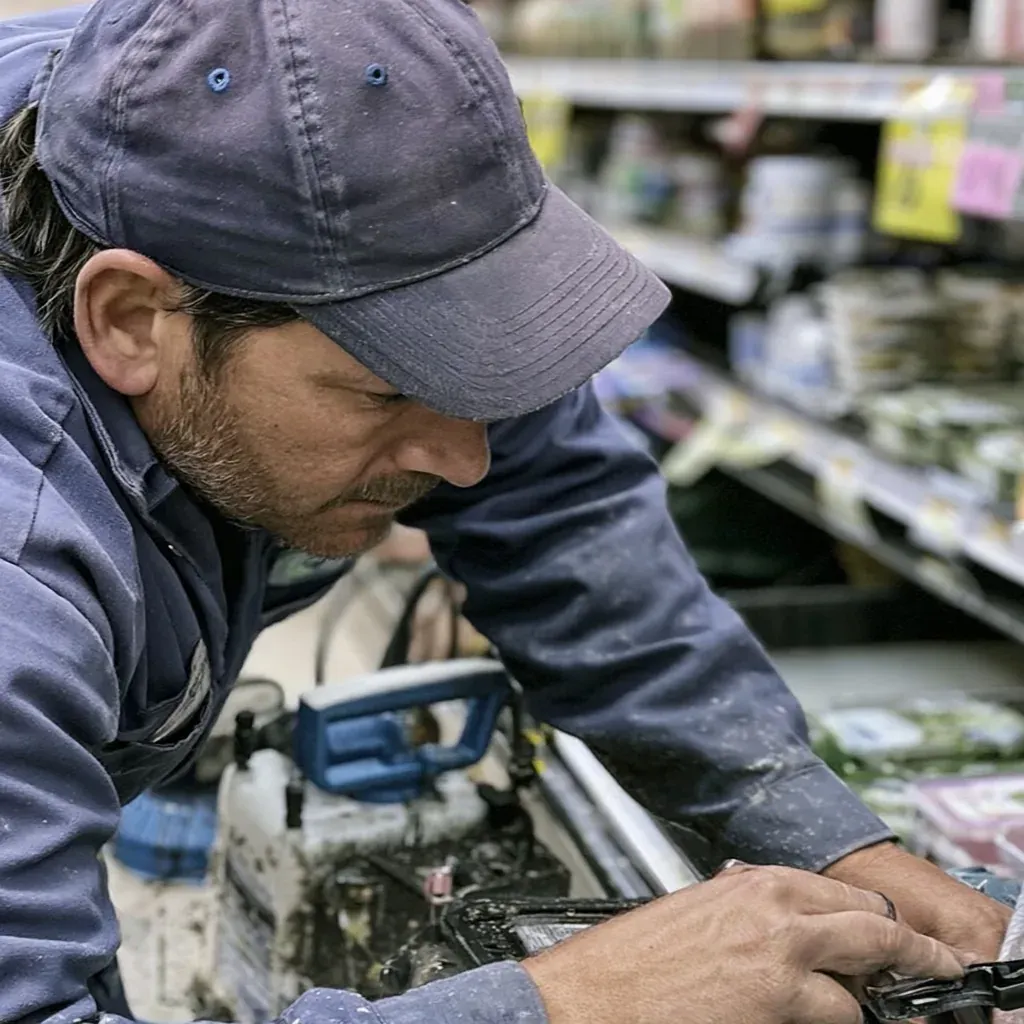
One sighting on the sales floor costs more than a year of service.
Retail and grocery pest control has two audiences at once: the condition of the stock and the customer standing in aisle four. Almost everything found on a sales floor came through receiving, so the work concentrates in the stockroom, on the pallets and cartons, and along the outside of the building. Anything applied out front is low profile, placed inside voids and equipment rather than anywhere a shopper will see it.
In most commercial settings a pest sighting costs money to fix. In a store it costs money twice, because the person who saw it tells other people. A photograph taken in an aisle outlives any amount of good service, and it never comes with the context that the problem arrived on a supplier's pallet three weeks earlier.
That reality drives two decisions. First, the front of the store is kept visually clean of pest control furniture: no bait stations sitting in the open, no signage, nothing at eye level. Second, the effort moves upstream to where the sighting is created, which is receiving, the stockroom and the exterior. You are not managing the sales floor. You are managing what reaches it.
Fayetteville stores lean on delivery schedules rather than foot traffic to predict pressure, and the pros we connect you with plan around that same logic a drive away. Grocery backrooms near Sampson Community College and the Sampson County government offices in Clinton see identical pallet turnover, and Elizabethtown's stretch of NC 87 carries the same rural produce trucks that Tory Hole Park sits close to. The receiving door tells the story before the shelves ever do.
Cartons and pallets are the delivery system for German cockroaches and stored product insects, and every store in Cumberland County takes them daily. Corrugated cardboard is warm, dry, ridged and disposable, which makes it close to ideal harborage, and a carton that spent a night on a supplier's dock can arrive already carrying egg cases.
The practical answers are unglamorous and they work. Break cases down at receiving and get the cardboard out of the building rather than storing stock in the boxes it arrived in. Keep pallets off the wall and off the floor corners. Look at pallet bases and carton corners while the load is still on the dock, when you can still document what you found and tell the supplier.
Fayetteville's grocery and convenience stores run from downtown corner shops to the bigger boxes out along the retail corridors, and receiving docks look the same everywhere from Stedman to Lumberton along I-95. A backroom off NC 24 gets the same cardboard buildup as one near Dunn on US 301, and the humid stretches along the Cape Fear River up toward Erwin only push pallets and carton seams to fail faster. The licensed pros we connect you with check docks on that same schedule, wherever the truck backs in.
American and smokybrown cockroaches breed outdoors here, in mulch beds, gutters, drains, grease trap surrounds and the seam of the bin pad, then walk in under a back door after heavy rain. A store's rear elevation is generally the worst part of the building for all four: a bin pad, a cart corral, a mulch strip against the brick, and a door that stays open while a delivery is worked.
Sandhills ground compounds it. Surface water disappears fast after a storm, so the pad and the parking lot look dry, while underneath the mulch and along the slab edge the ground stays damp and keeps producing. The soil band, the pad wash line, the downspout discharge and the door seals are therefore permanent line items rather than one-time fixes.
Rodents follow the same rear elevation. Exterior stations along the wall and around the bin area take the pressure before it reaches the stockroom, which is much better than placing anything inside a building full of food.
Store owners in Fayetteville rarely think about pest pressure beyond the back door, but the same logic scales with the run. It's why the pros connecting nearby jobs cover a wide radius: a stockroom off I-95 at Exit 33 near St. Pauls, a shop along Broad Street, even a business near the Clinton Commercial Historic District out on NC 24. Rear elevations and bin areas look the same no matter which town's zoning drew the loading dock.
Where a store keeps open food, prepared food or bulk bins, placement rules get stricter and the work leans harder on non-chemical methods: exclusion, sanitation, monitoring, targeted crack and void treatment, and vacuuming. In an occupied retail space these are not fallbacks. They are what actually resolves German cockroach pressure without putting material anywhere near stock.
Timing does a lot of the work as well. Service before opening or after close means aisles are clear, equipment can be pulled forward, and there is time to reach the voids behind coolers and under prep benches, which is where the population actually lives.
Grocery, convenience and any store with prepared food usually wants monthly service at minimum, with the exterior, receiving and stockroom worked every visit. Dry goods retail with no food handling holds well on a quarterly cycle once the receiving discipline is in place.
Guide figures for planning: an estimated $110 to $240 a visit for a typical storefront, moving up with square footage, the number of coolers and prep areas, and a shared bin pad. As with any commercial account, the first visit costs more than the ones after because it carries the full inspection and the initial work.
Premises like these are served across Fayetteville and out to Hope Mills, Spring Lake and Fort Bragg. The first walkthrough happens at whichever location is giving you trouble.
A commercial account bills per visit rather than per job, and premises of this kind normally start around an estimated $85 to $239 a visit. What moves it is treated floor area, the interval between visits, and the depth of record keeping you have to be able to produce. Nobody bills for the initial visit, and you see the scope in writing first. All the bands are published on the pricing guide, and the commercial overview lays out how the visits get organized.
Apartments, duplexes and rental portfolios
Multi-site accounts and owner reporting
Docks, racking and inbound freight
They should not. Devices belong in the stockroom, in utility spaces, inside equipment voids and along the exterior, none of which is in a shopper's line of sight. If the only place a monitor makes sense is out front, it goes low, behind or under a fixture, and it gets recorded on the floor plan so it is not forgotten.
Yours to manage, the supplier's to fix. Inspect and document at receiving, photograph what you find, and send it back up the chain, because a supplier who is told with evidence tends to act. Meanwhile, breaking cases down at the dock and keeping cardboard out of the stockroom limits how far anything gets before you see it.
Some of it, yes, but the productive work happens before opening or after close. That is when coolers and benches can be pulled forward and the voids behind them reached, which is where German cockroaches actually harbor. Anything done during trading hours is limited to inspection, monitor reading and exterior work.
Not in the sense most people mean. In food handling areas the work is exclusion, sanitation correction, monitoring, vacuuming and precise crack and void placement well away from product, applied strictly to label. If a situation genuinely calls for more, it gets scheduled when the store is closed and the area is covered or cleared first.
Same day is often possible for an account already on the books, and a store on a monthly program gets priority over a first-time call. Nobody honest will promise you an exact arrival time on the phone, but you should get a real window when you book rather than a vague promise.
If you handle prepared food, sell bagged pet food or share a bin pad with a restaurant, yes, because all three keep supplying pressure. A small dry goods store with tight receiving discipline can often run quarterly. Let the monitor counts decide it rather than the contract template.
Call to get your receiving area, stockroom and rear elevation walked. The licensed local pros we connect you with will keep the visible part of the store visibly clean.
Call (855) 563-1479