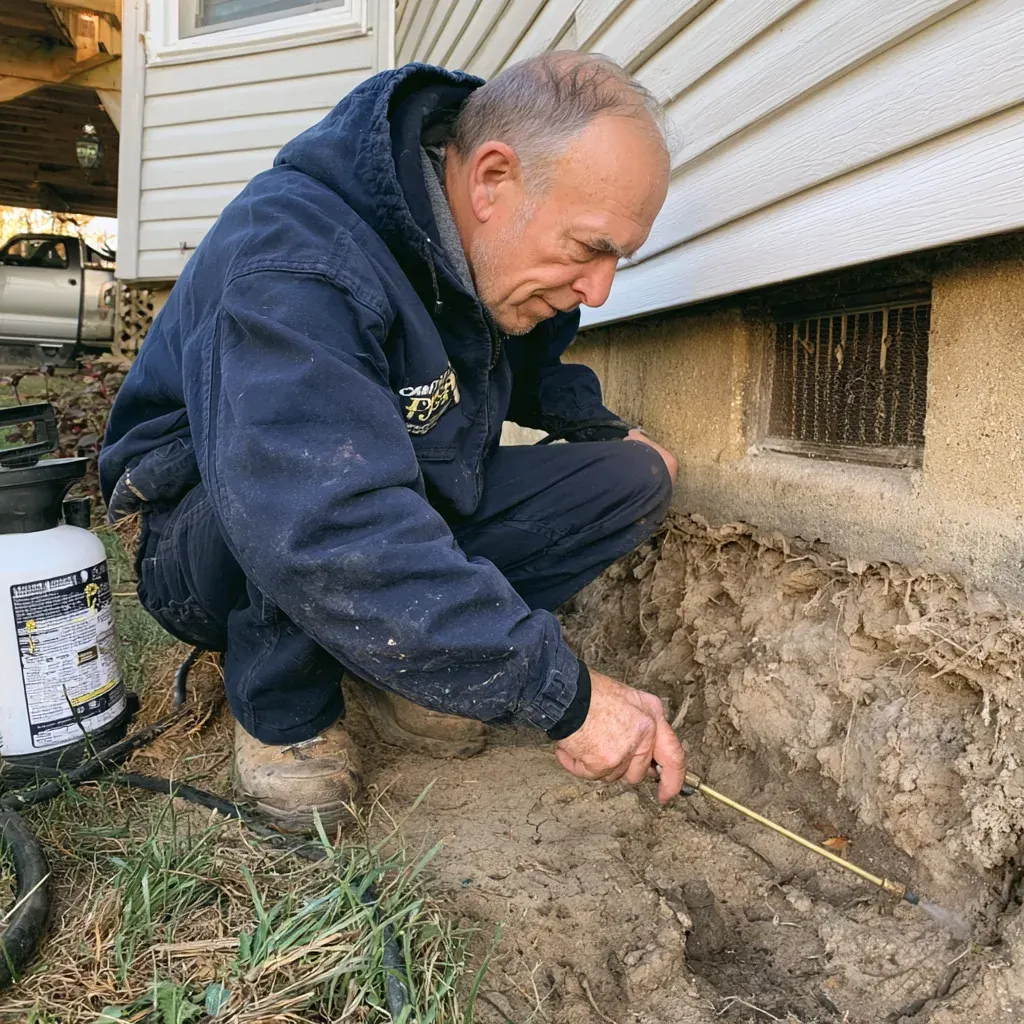
Identification
Slab or Crawl Space? How to Tell, and Why It Matters
Vents and a hatch, or concrete and a bath trap. Which foundation you have decides how the house gets inspected, treated and…
Read article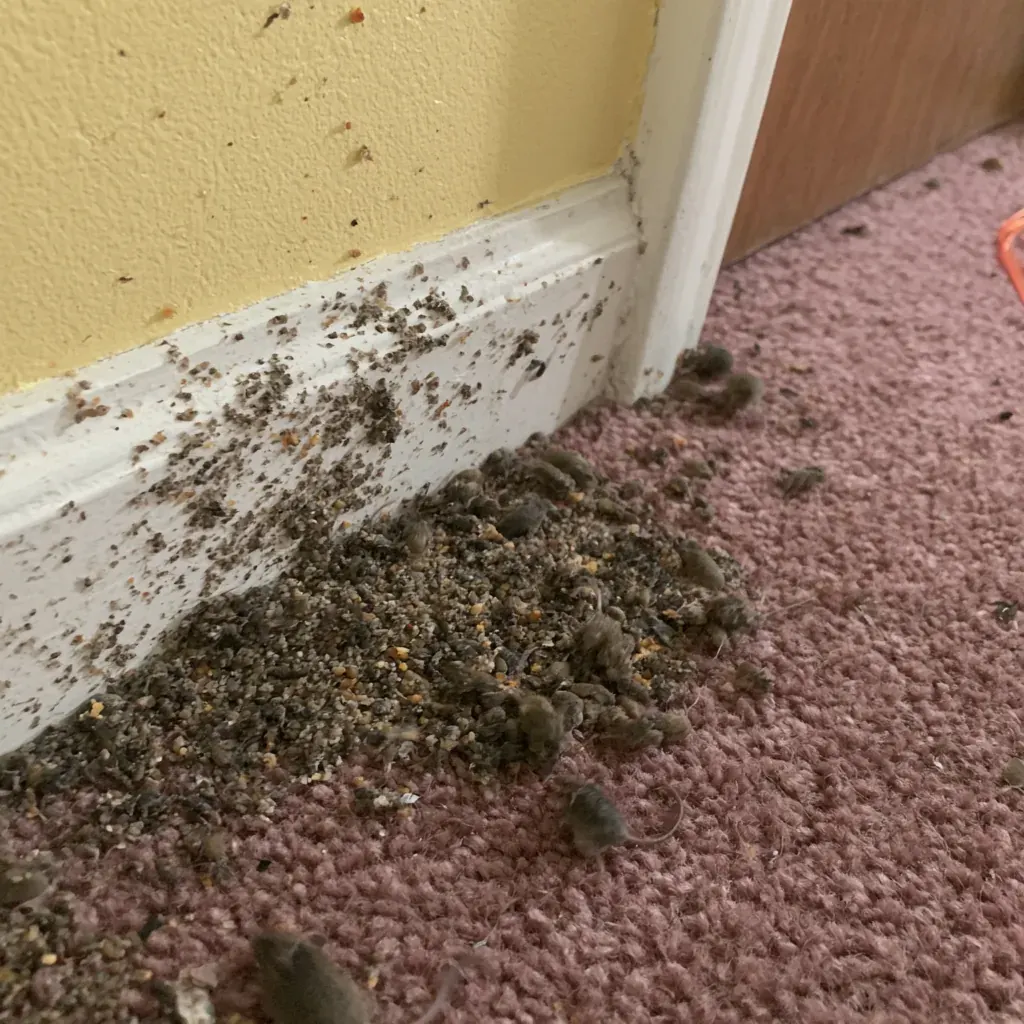
Norway rats down in the substructure and mice at the vent line. Traps clear the population, sealing decides whether it returns.
The sealing is the product. The trapping is the setup. A rodent job that ends the week the traps stop catching is a job you will pay for again next fall, because every opening that let them in is still open. Around here most of that work happens low down: crawl space vents with torn screen, the gap where a foundation corner steps, dryer and hose bib penetrations, the rubber seals at the bottom corners of a garage door, the void where a porch slab meets the wall, and on slab houses the plumbing chase and the space behind a bath tub.
Species matters less inland than it does on the coast, and it still shapes where anyone looks first. The rat most likely to be working a Cumberland County property is the Norway rat, a heavy ground and burrow animal that uses the crawl space, the base of a shed, a woodpile or a compost heap, rather than the roof rat that lives up in branches and enters high. That sends the search to ground level: burrow holes tight against the foundation, runs beaten under a deck, rub marks along a floor joist, and droppings on the vapor barrier rather than up in attic insulation.
Fayetteville's own foundation and crawl-space mix means sealing has to happen before the inside work even starts, and the licensed pros we connect you with treat both as one visit rather than two. That same ground-level pressure follows the county outward: past Vander, down toward Gray's Creek along NC 87, and out to Lillington on US 401, foundations sit low and damp enough that a burrow sealed today can reopen by spring if the inside population never gets cleared.
In Fayetteville itself, the same pattern shows up closer to the crawl spaces of Haymount, where older pier-and-beam homes near Arsenal Avenue and the Edgar Allan Poe House sit just above Cross Creek, low enough that a sealed gap can look solved for a season before groundwater pushes it open again. South toward Hope Mills, lots backing onto Little Rockfish Creek and Rockfish Creek near the dam hold the same dampness, which is why the licensed pros we connect you with treat the exclusion work and the indoor clearing as one job, not two.
Whether you're in Fort Bragg, Raeford, Eastover, or elsewhere around Fayetteville, rodent control and exclusion has to account for sand that drains fast and then holds damp underneath anyway, plus a warm season long enough that nothing gets a proper reset. That is why this outlasts a straight interior spray.
The treatment is the same either way. The scheduling and the paperwork are not: residential pest control for a home, commercial pest control for anywhere with customers or tenants in it.
Rodents travel with a shoulder against something solid, so the evidence runs along a wall base, a joist or the edge of a shelf rather than out in the middle of a floor. The line itself tells you the route, which is where traps belong.
Fresh gnawing is pale and splintered against weathered wood. On a crawl vent, a garage door corner or a soffit edge it is a direct answer to how they get in, and it is also the point that has to be rebuilt in something harder than wood or foam.
A smooth hole about the width of a golf ball, dug in tight against the block or under a step, with loose soil fanned out below it. That is a Norway rat run. Filling it and watching whether it reopens is a quick way to confirm activity.
Sound low in a wall or under the floor points at rodents rather than something bigger in the roof. It usually starts within an hour of the house going quiet, and it moves along a predictable path each night once you listen for it twice.
Dogs notice this well before people do, and a dog fixed on the same cupboard, the base of a fridge or one spot in the garage is worth taking seriously. It also matters for the plan, because a household with dogs changes where bait can go, if it goes anywhere at all.
The inspection produces a list of openings with locations, not a general impression. Vents, penetrations, the slab edge, the garage corners, the roof line where a lower roof ties in. That list is the quote.
Galvanized mesh, hardware cloth, sheet metal, mortar and new lumber where wood is gone. Expanding foam on its own is a stopgap that gets opened again, so it is used to fill behind a hard barrier rather than as the barrier.
Snap traps go on the runs indoors and in the crawl space. Where anything goes outside it belongs in a tamper-resistant station, anchored and keyed, which matters on any property with dogs, cats or children in the yard.
Droppings and nesting material get removed and the area cleaned, and the openings get looked at again on a follow-up. A sealed house with no new sign after two weeks is a finished job.
Rodents chew wiring, contaminate stored food and pull insulation apart, and a population under a floor rarely stays under it once nights turn cold. The part worth paying attention to is which half of the work is durable. Trapping resolves the animals in the building this month. Sealing is what stops the next ones, and it is the only part of a rodent job that is still working two years later.
The North Carolina wood-destroying insect report is not a structural damage report and does not reveal wildlife, so a report with nothing adverse on it says nothing at all about whether something is living under your floor. Damage itself is not required to be reported on that form either. Read it for what it covers and arrange a separate look at the substructure for rodents.
Conditions conducive to subterranean termites have to be reported, and the listed ones read like a description of good rodent habitat: wood in direct soil contact, cellulose debris under the structure, excessively wet wood at a moisture content of 20% or greater, insufficient clearance between wood and soil, and excessive crawl space moisture. Clearing those helps two problems at once.
Plan with these rather than quote from them. For rodent control and exclusion, getting at the substructure moves the number further than floor area does, and that is why an honest price does not come down a phone line.
| Which band | What happens | Estimated |
|---|---|---|
| Contained | One live spot, say a run behind a kitchen cabinet or a single mound | an estimated $115–$490 |
| Routine call | Interior placements with the vents, the weep holes and the slab edge | an estimated $135–$700 |
| Bigger job | A bigger property, or something that has had a season to bed itself in | an estimated $205–$1115 |
| Staged | Something with a history behind it, so several visits and sealing | an estimated $325–$1860 |
Closing the routes in under the floor, and clearing out an attic, are their own lines rather than folded into the figures above. The Fayetteville pricing guide lists every service and what pushes each one upward.
Bait has a place outside in locked, anchored stations, and it is the wrong first answer in a home with dogs. Rodents that take bait die where they choose, which can be inside a wall, and a poisoned rodent can be eaten by a pet or a hawk. Indoors, trapping recovers the animal and confirms the count, which bait never does.
Reckon on two to three weeks with a couple of follow-up visits in that time. The trapping curve drops off quickly once traps are on the right runs. Sealing is scheduled separately because it is carpentry, and on a larger crawl space perimeter it can take a day on its own.
A trapping program with follow-up visits included runs an estimated $125 to $195. Exclusion is quoted separately after the inspection, because it is labor and materials: a few openings is a small job, and rescreening every vent around a crawl space is not. Guide figures, not a quote.
Not all of it, but every opening a mouse can use does, and that is a smaller gap than most people expect. The order of work is the vents, then the penetrations, then the doors and the slab edge. Anything left open is the one they will find, so the list from the inspection is worth completing rather than sampling.
It fades over a week or two and it can be shortened by finding and removing the carcass, which sometimes means opening a small section of drywall or soffit. Odor treatments mask rather than remove. This is one more argument for trapping indoors instead of baiting, since a trap is where you left it.
Only if the building reopens. Seals fail where wood rots, a vent screen tears or a garage door seal hardens and lifts, so a look at the same list once a year is worth more than another round of traps. Keeping firewood off the ground and away from the wall removes the staging area they use to try again.
A planning figure, not a quote: rodent control and exclusion in the Fayetteville area normally comes to an estimated $135–$465 per treatment. Where you land is set by treated area, whether the house sits on a poured slab or over a crawl space, and how much of the structure is already involved. The look is free, the number is written down before anything is opened, and our bands sit slightly under what the companies here publish.
Worth a read if you are still not certain what you are looking at.
Vents and a hatch, or concrete and a bath trap. Which foundation you have decides how the house gets inspected, treated and…
Read article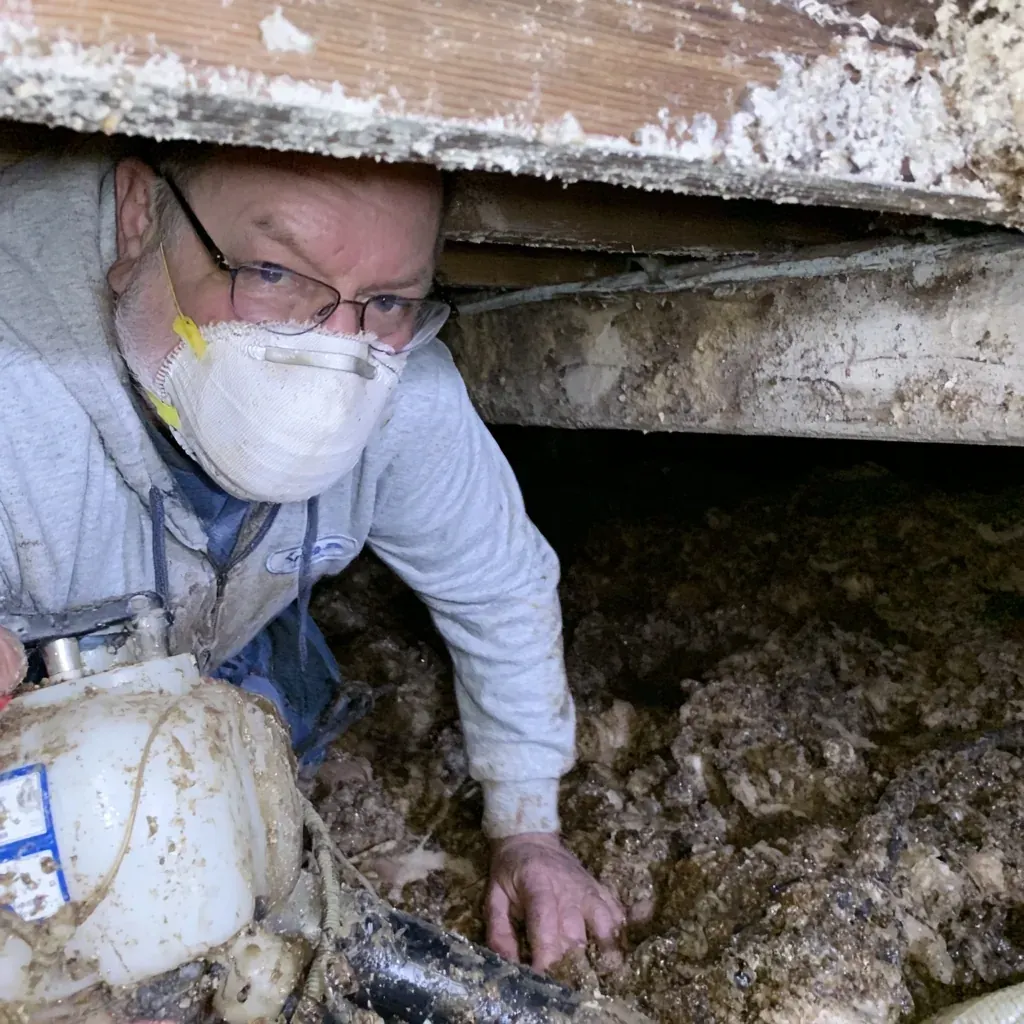
One number on an inspection report tells you more about a crawl space than any photograph. Here is what sits behind it…
Read article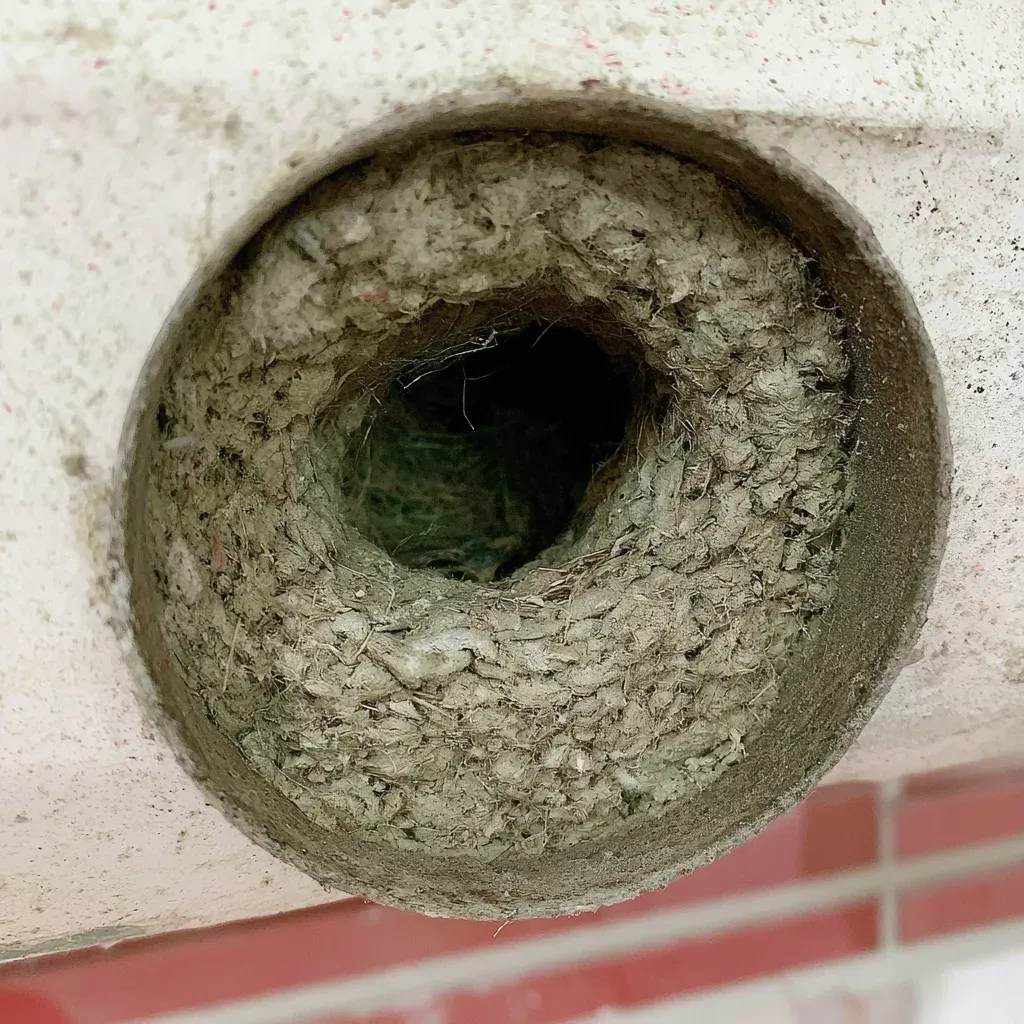
Traps thin out what is already inside. Sealing is the half of the job that keeps you from repeating the exercise next…
Read articleOne call gets you a licensed local pro, an inspection at no cost, and a scope in writing before a thing is treated. Walk away afterwards if you want to.
Call (855) 563-1479