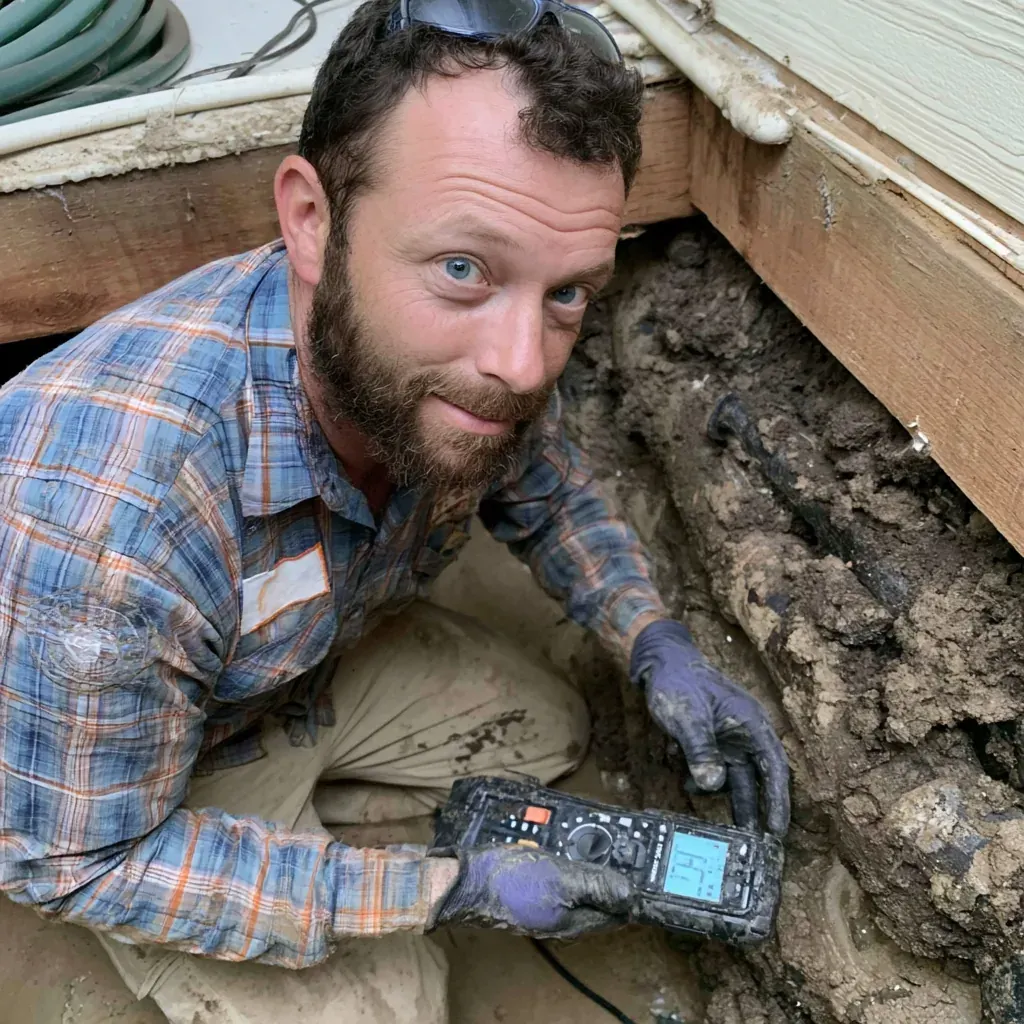
Moisture Control
Dry wood is the cheapest termite deterrent there is, and the one nobody sells you.
Learn about Moisture ControlPrewar and postwar houses near the river, a lot of them repaired or rebuilt since 2016. After a flood the pest problems are moisture problems first, and treating them in the wrong order wastes the visit.
Robeson County took record flooding from Hurricane Matthew in 2016 and worse again from Florence in 2018, and Lumberton is where that history is written into the buildings. The Lumber River, a blackwater river the city is named after, runs through the middle of downtown, and whole streets on the south and west sides were left empty after the second flood. Thirty two miles southwest of Fayetteville along I-95, this is the Robeson County seat and its largest city. Water that has been inside a structure once leaves conditions behind it. Damp subfloors, wet insulation and swollen framing read as food and shelter, and wood at or above 20 percent moisture is a reportable condition conducive to termites under the state's inspection rules. Displaced wildlife is the other half of it. Raccoons and squirrels that lost hollow trees look for attics, and bats do the same, which is why exclusion runs on a calendar here.
Housing age, groundwater, and the season all feed into it. This is the picture specific to Lumberton.
Because Lumberton is largely prewar and postwar build near the river, with flood repair and rebuild since 2016, the same few weak points come up job after job: the seal around the air conditioning line set, the gap behind an outdoor tap, and the joint where a porch slab was poured hard against the wall.
Anywhere close to Lumber River, expect sand that drains fast at the surface and stays damp underneath. Roaches, silverfish and camel crickets follow that moisture up through the floor, so treating them without drying the space out just books the same visit again.
Hot humid summers with the heaviest rain months falling in hurricane season. Knowing which stage is due next is what makes the work hold, and it costs less than picking up the phone once something is already indoors.
Ballpark figures so you can plan. Nothing is charged until you have seen a written estimate for your own property.
| Service | Estimated cost |
|---|---|
| Moisture Control | an estimated $265–$825 |
| Wildlife Removal | an estimated $175–$525 |
| Termite Control | an estimated $425–$1350 |
| General Pest Control | an estimated $89–$239 |
The river corridor runs for miles as protected waterway, which keeps wildlife populations high right up against the edges of the city.
Standing water and shade beside the river are ideal mosquito habitat, so properties backing onto this kind of ground need the yard treated as well as the house.
Dry wood is the cheapest termite deterrent there is, and the one nobody sells you.
Learn about Moisture Control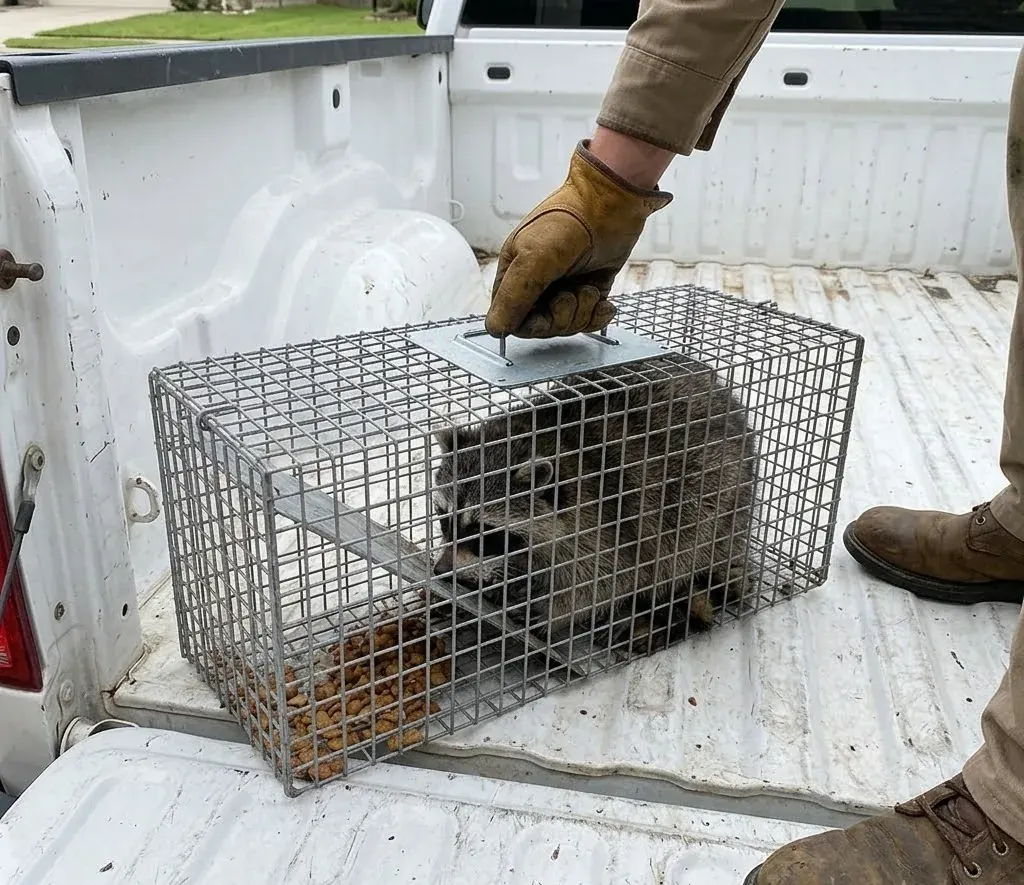
Largely carpentry with an animal in the middle of it, plus one date range in this state that nobody gets to negotiate.
Learn about Wildlife Removal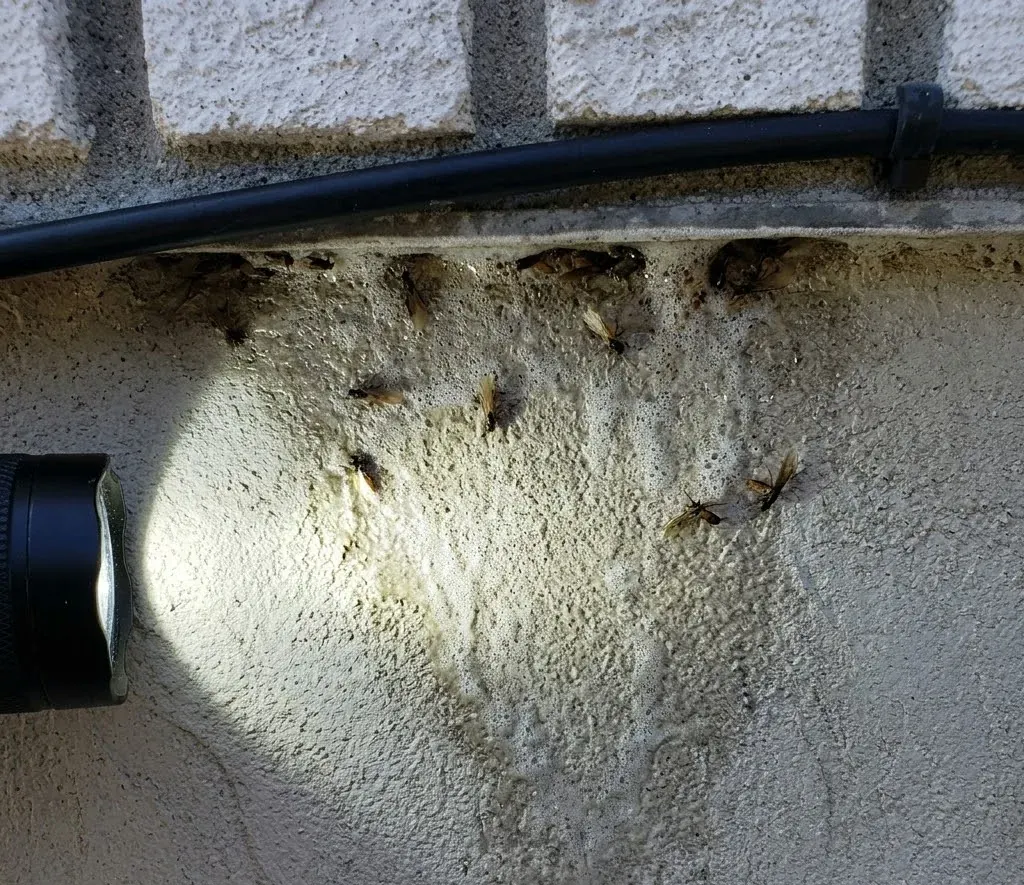
A long swarm season, two very different treatment methods, and three kinds of warranty worth reading closely.
Learn about Termite Control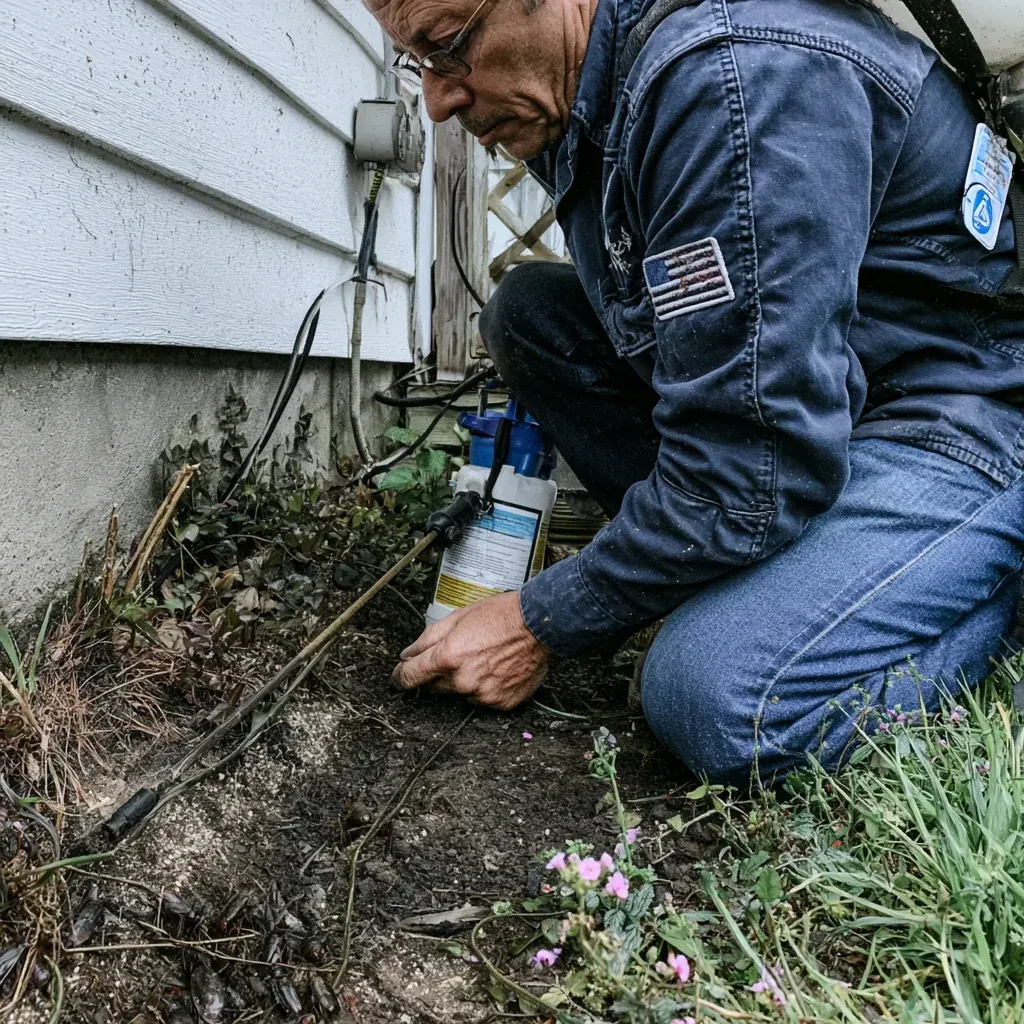
Treat the strip of ground where the wall meets the soil and the inside of the house gets quiet.
Learn about General Pest ControlMoisture readings in the floor framing and subfloor, then insulation, then anything wood that sits close to grade. Water that has already gone leaves the conditions an inspector reports on: wet wood, decay fungi, and debris that got left behind during the cleanup. Getting a reading now is cheaper than finding out during a sale that a condition conducive to termites is on record.
No. Bat eviction and exclusion is prohibited statewide from 1 May through 31 July, because young bats cannot fly and would be sealed inside. Bats are a protected species in North Carolina. During that window the right work is inspection, planning and protecting the interior, with the exclusion itself carried out once the window closes on 1 August.
In North Carolina the licensed operator for this work is a Wildlife Control Agent, and the Wildlife Resources Commission publishes a list of them. The job is inspection, removal, then sealing the route in, plus cleaning up what was left behind. Trapping without closing the entry point simply leaves the space open for the next animal.
Because the receding water leaves small pockets behind rather than one big pond, and those pockets are what actually breed. Tires, tarps, blocked drains, low spots in a yard and anything holding an inch of water for a week will produce adults. Treatment focuses on the resting places and the sources on the property, not on the river.
Roach calls after heavy rain and fire ant stings get moved up the list, so same day is normal here. Anything where somebody is at risk, or an animal is already under the floor, we take around the clock at the after-hours rate. The rest is better in a standard slot and we will tell you so.
Somebody reads the substructure first, whether that is a crawl space or the slab edge and bath trap, then writes down what it would cost. Nothing is owed for the looking.
Call (855) 563-1479