Homeowner Tips
Bed Bugs at Turnover: A Landlord's Playbook in Fayetteville
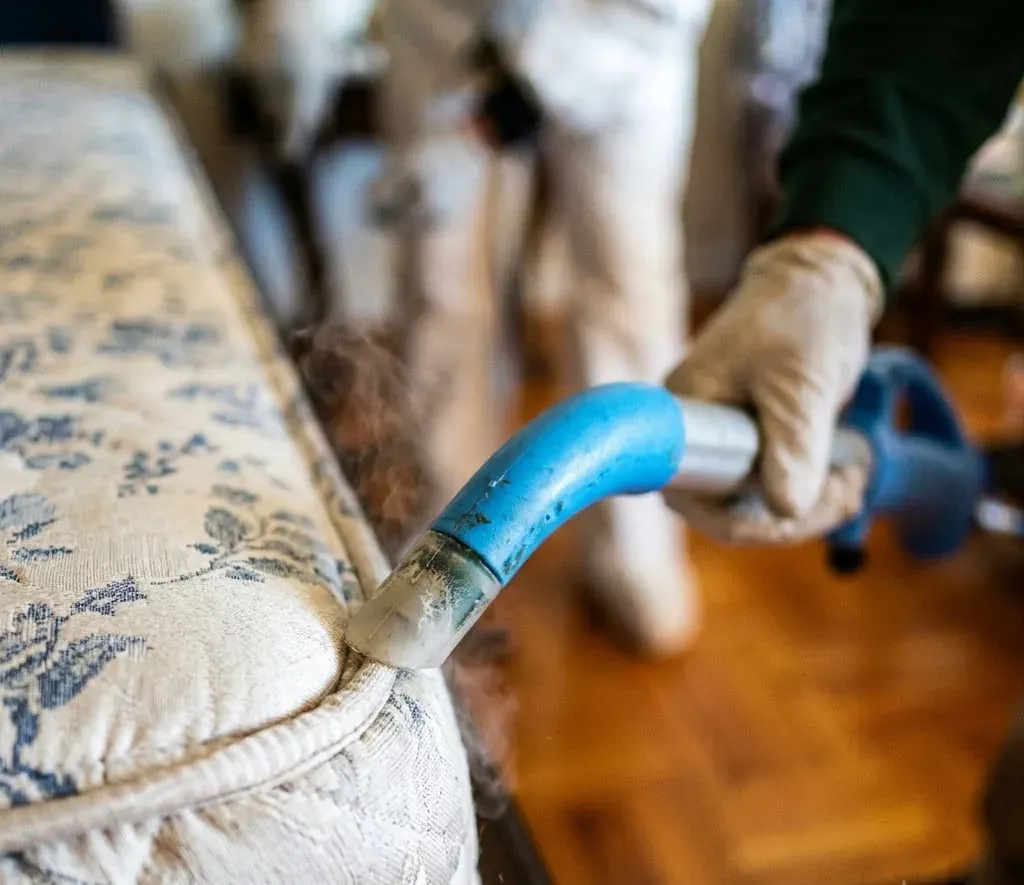
The empty unit between tenants is the cheapest and cleanest time to deal with bed bugs, provided nobody reaches for a fogger…
Read article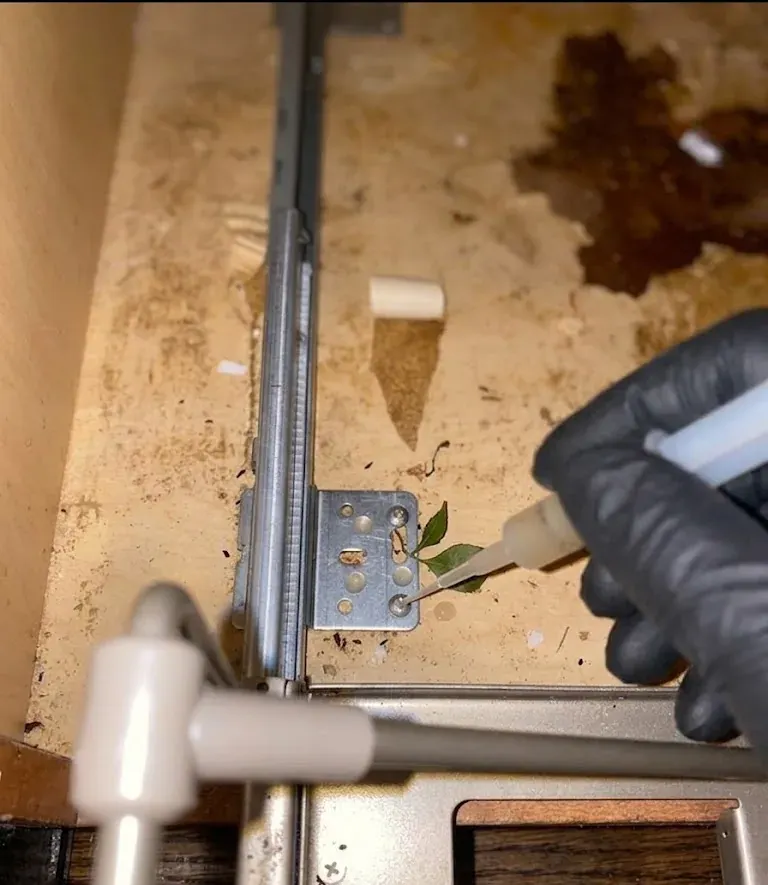
A method, not a bottle. Seal it, bait it, place it precisely, and use the least that works.
Eco-friendly describes how the work is done, not a product anyone can hand you. In practice it comes down to four habits. Close the openings first, because a sealed gap keeps working with no chemistry behind it. Prefer bait to spray, since bait is consumed by the target and does not coat a surface a toddler will touch. Place material in cracks, voids and cabinet backs instead of across floors and lawns. And treat the conditions, which around here means the damp band under pine straw, the mulch piled against siding, and the crawl space that stays wet after every thunderstorm.
Now the part most pages skip. Low-impact methods are slower. Bait works through a colony over days rather than minutes, and a household that wants zero insects by Friday is asking for the opposite approach. Some problems do not bend to it at all: bed bugs, an established German roach population in a shared wall, a fire ant mound in a play area. And no method is risk free, including botanical products, which is why the label and the re-entry time still matter. Anyone who tells you their treatment is completely harmless is selling, not explaining.
Fayetteville homeowners weighing a botanical option still need someone who reads labels the way a pharmacist reads dosages, not the way a salesman reads a script. That standard doesn't loosen outside city limits either. In Haymount's older bungalows near Arsenal Avenue, low-impact treatments have to account for shallow crawl spaces and shared walls. Out toward Hope Mills, near Hope Mills Lake, the licensed pros we connect you with weigh moisture and runoff before ever recommending a lighter-touch approach.
Whether you're in Lumberton, Wade, Falcon, or elsewhere around Fayetteville, eco-friendly pest control has to account for sand that drains fast and then holds damp underneath anyway, plus a warm season long enough that nothing gets a proper reset. That is why this outlasts a straight interior spray.
For a house, residential pest control. If the address is a business, an apartment block or a unit being turned over between tenants, commercial pest control is the one you want.
Repeat applications to one doorway or one cabinet almost always mean an unsealed route behind it. Sealing that route is the lower-impact fix and it lasts longer than the chemistry did.
Asthma, chemical sensitivity, a pregnancy, an indoor cat that grooms constantly. Any of those is a good reason to shift the work outdoors, into baits and into sealed voids.
Deep pine straw or mulch touching the wall holds moisture and hides the foundation line. Pulling it back a few inches removes habitat and makes the wall inspectable, with nothing applied at all.
Raised beds, fruit trees and kept bees change what can be used and where. Say so before the first visit so placement is planned around them rather than adjusted afterward.
Utility penetrations, weep holes, door sweeps, crawl space vents, the slab edge, roof line gaps. Exclusion is priced and scheduled as real work, not offered as advice at the end.
Mulch pulled back off the siding, firewood moved and lifted, standing water in a bucket or a wheelbarrow dealt with, grading noted where water runs toward the wall.
Gel and granular baits in the harborage, dusts in voids, monitors where sightings were reported. Nothing goes on open floors, counters or across a lawn.
Monitors say whether it worked. If activity is gone, nothing further is applied. Reserving stronger material for the case that needs it is the whole idea.
Doing it this way tends to be more durable, not just gentler. Sealed entries and dry, clear foundations keep working through every season, while any application has a finite life in Sandhills sun and summer storms. Less material also means less to explain to a family with small children, a pollinator garden, or a well on the property. The limits are real and worth naming, but on the everyday household pests this approach holds up.
Pesticide use in and around a home is structural pest control and sits with the Structural Pest Control Division at NCDA&CS. Agricultural and general pesticide licensing is a different track under the N.C. Pesticide Board and the N.C. Pesticide Law of 1971. A low-impact approach does not move the work out of the structural rules, and asking which credential applies is a reasonable question.
Bats are protected in North Carolina and evictions or exclusions are prohibited from 1 May through 31 July statewide, except under special circumstances approved by the North Carolina Wildlife Resources Commission, because flightless pups would be sealed inside. Within that window the correct work is inspection, planning and interior protection, with the exclusion itself carried out from 1 August. Licensed operators doing this work are Wildlife Control Agents.
Four bands, and eco-friendly pest control on a Fayetteville property normally falls into one of them. Which one is decided by the building, and the exact figure is written down once somebody has been under it.
| Size of it | What that buys | Budget |
|---|---|---|
| Single spot | Trouble in one room, one bay of the garage, or one bed out front | an estimated $80–$200 |
| Ordinary house | An ordinary whole-house call, inside and all the way round outside | an estimated $95–$285 |
| Larger house | A larger footprint, or a population already past its first generation | an estimated $145–$455 |
| Been running a while | Sustained pressure, so staged visits plus sealing under the floor | an estimated $230–$755 |
None of this is a quote, because too much of it is decided by what is under the floor or behind the slab edge. The Fayetteville pricing guide works through what moves a figure and what comes as standard.
Exclusion first, bait ahead of spray, precise placement over broadcast, and the least material that solves the problem. It does not mean nothing is ever applied, and it is not a certification anyone hands out. Judge it by the method described in your written plan.
On ants, roaches in a single-family home, mice, spiders and crickets, yes, with more patience required. On bed bugs, established infestations in shared walls and yard-wide fire ants, conventional methods do the job and pretending otherwise would waste your money.
Safer, when placement is planned. Point out beds, fruit trees, hives, the dog's route and any well before work starts. Then follow the re-entry and drying times on the label, which apply to botanical products too.
Bait usually shows a clear drop in a few days to about two weeks, because it has to be carried back and shared. If you need an immediate knockdown for an event, say so and expect a different recommendation.
Honey bees in a wall are a relocation question and worth asking about before anything is applied. Paper wasps and yellowjackets nesting at a doorway are a stinging risk and normally get treated and removed.
The treatment itself is comparable, often an estimated $85 to $150 for an initial visit, but exclusion is labor and is priced separately when there is real sealing to do. That is a guide figure rather than a quote, and the sealing usually pays for itself in visits you do not need.
Eco-friendly pest control runs an estimated $95–$189 per treatment on an ordinary Fayetteville property. A guide, not a binding price. Somebody reads the foundation and the ground against it, then writes the number down for you to approve or refuse. We set these bands a little under the going local rate on purpose.
Moisture, timing and prevention, given room rather than squeezed into a paragraph.
The empty unit between tenants is the cheapest and cleanest time to deal with bed bugs, provided nobody reaches for a fogger…
Read article
Search results hand you ads. These are the questions to ask before you book, the red flags, and the six items North…
Read article
What actually moves a pest control price around here, with hedged ranges and the one charge people forget to ask about separately.
Read articleEco-Friendly Pest Control cannot be priced honestly from a phone call in a market split between slab and crawl space. Have it looked at, then decide. The looking costs nothing.
Call (855) 563-1479