Homeowner Tips
Bed Bugs at Turnover: A Landlord's Playbook in Fayetteville
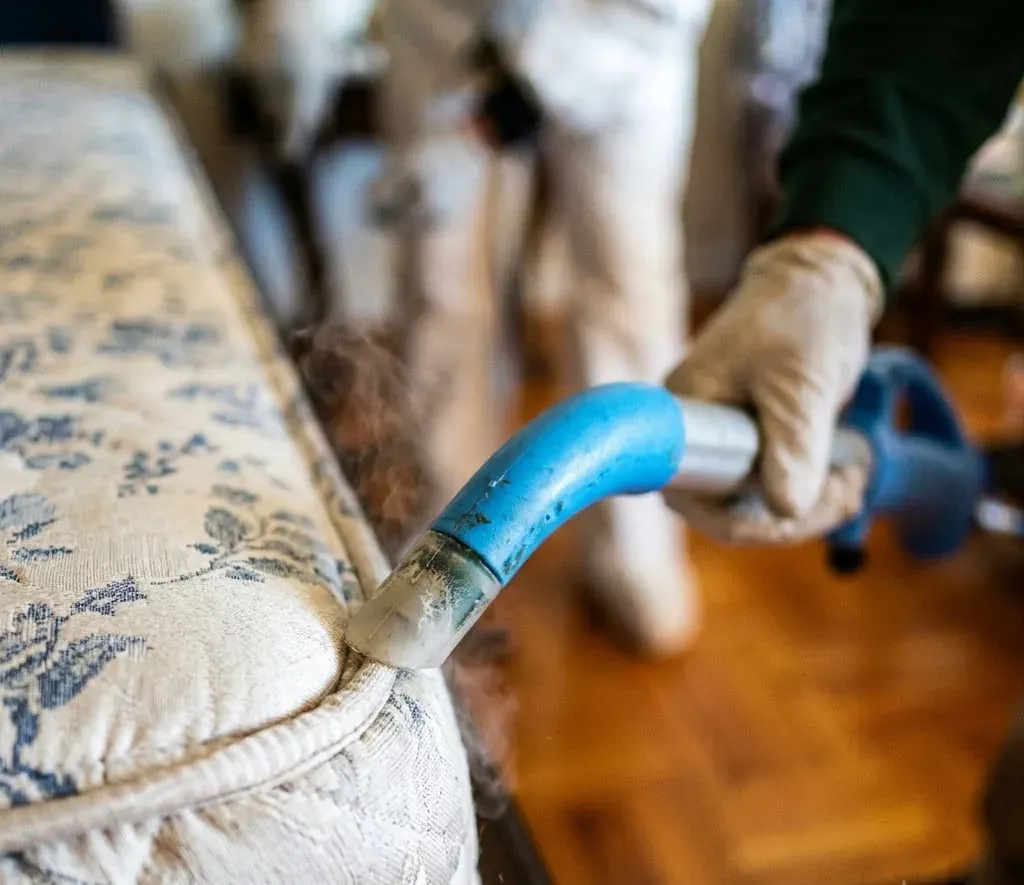
The empty unit between tenants is the cheapest and cleanest time to deal with bed bugs, provided nobody reaches for a fogger…
Read article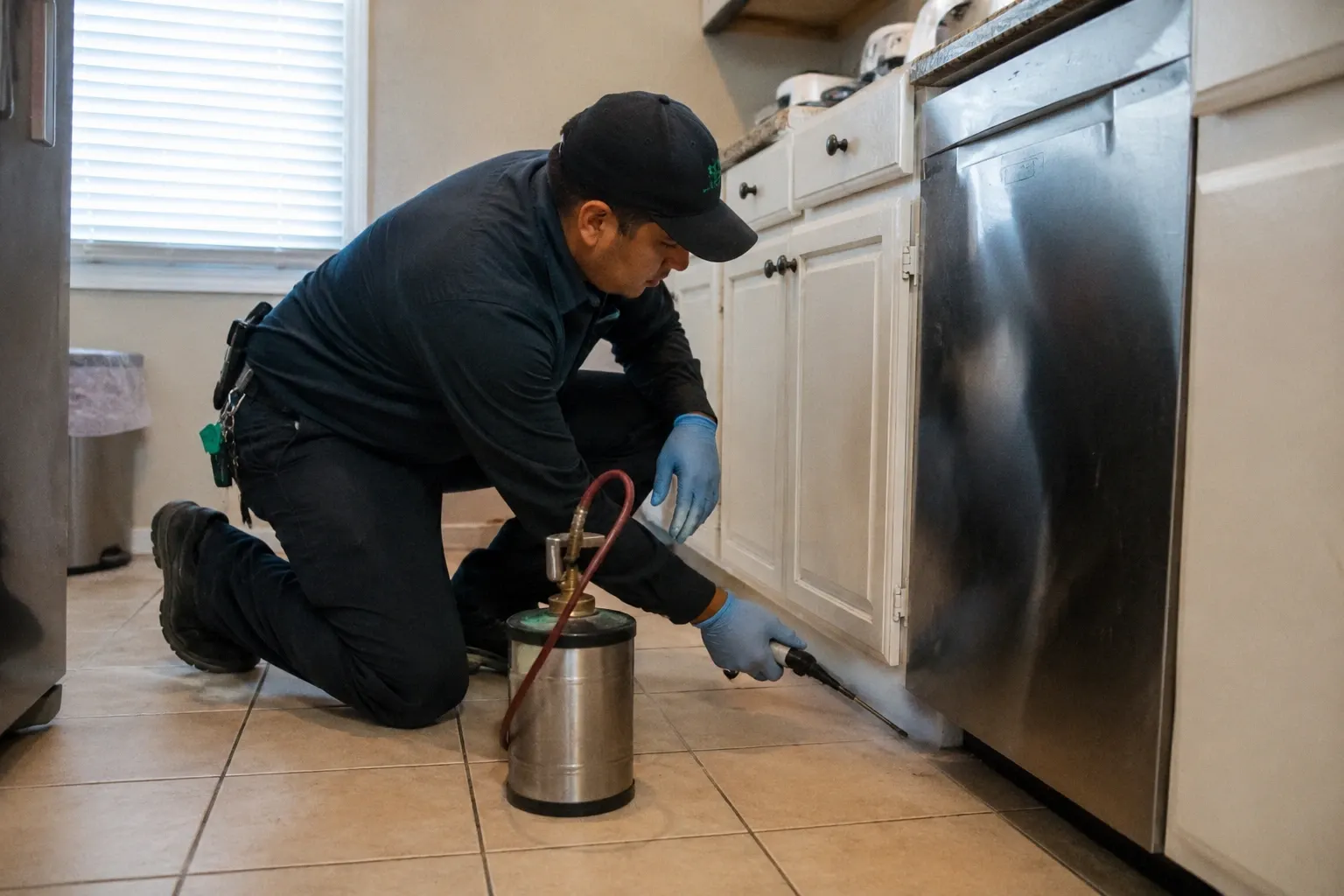
Some problems end with one appointment. Some do not, and you deserve to hear which is which.
Some problems end with one appointment, and some only go quiet for two weeks. Sorting out which one you have before money changes hands is the entire purpose of this page. A paper wasp nest under a soffit, a mouse that walked in through an open garage in November, a stack of firewood that brought beetles into the den: one careful visit handles those and you never think about it again. A house that has been feeding a roach population for three years is a different situation, and no single visit closes it, whatever a phone quote promises.
A one-time treatment should arrive with a written scope, a named target, and a plain statement of what happens if the pest comes back. What it should not arrive with is pressure to convert into a program you do not need. There are also cases where the right answer is neither: a mound of fire ants in the middle of a yard, mosquitoes breeding in a roadside ditch off your property, or a moisture problem in the crawl space that is producing the crickets. Treating the insect in those cases is paying for a symptom while the cause keeps working.
This same pattern turns up around Fayetteville too. A fire ant mound in a Haymount yard, a ditch breeding mosquitoes near Hope Mills, or standing water under a Gray's Creek crawl space all need the source addressed, not just the bugs on top of it. The licensed pros we connect you with will look for that cause first, because spraying the visible insect and leaving the mound, the ditch, or the moisture behind just buys a few quiet weeks before it's back.
Whether you're in Rockfish, Dunn, Erwin, or elsewhere around Fayetteville, one-time pest treatment has to account for sand that drains fast and then holds damp underneath anyway, plus a warm season long enough that nothing gets a proper reset. That is why this outlasts a straight interior spray.
Houses account for most of it, under residential pest control. Offices, restaurants and rental stock go through commercial pest control, usually while the doors are shut.
Sightings spread across a kitchen, a bathroom and a bedroom mean a breeding population with more than one harborage. That takes a sequence of visits and some cleanout work, not a single application.
A problem that returns to the identical corner is being fed by something structural: a gap, a leak, a void, or a food source. Repeating the treatment a third time is the expensive way to learn that.
In a duplex, a townhome or an apartment near Fort Bragg, insects move through shared walls and utility chases. One-sided treatment pushes them across and back, and the fix has to include both sides.
The pest, the extent and the driver get established first. Half the value of a one-time visit is finding out you have one nest and not a population.
Where the pressure is continuous or breeding is established, you should be told that up front, with the alternative explained and the choice left to you.
The nest, void, trail or harborage is treated directly and the entry point is sealed where it can be. Broad spraying is not what makes a single visit work.
You get the specifics: which sweep to replace, how far to move the woodpile, which downspout is dumping against the wall. No return visit scheduled, no subscription started.
A one-time visit is the right product more often than the industry admits, and the wrong one often enough that it needs saying out loud. Buying a program for a single wasp nest wastes money. Buying a single visit for an established roach or bed bug problem wastes more, because the population rebounds and the second attempt starts from scratch. Matching the plan to the actual problem is worth more than any product on the truck.
If what gets found is a wood-destroying organism rather than a nuisance insect, the paperwork rules change. Any agreement for the control or prevention of wood-destroying organisms has to be in writing in North Carolina, and where no guarantee or warranty is being offered, the agreement has to say so clearly. A verbal price for termite work is not a compliant arrangement.
The Schoolchildren's Health Act of 2006, N.C. Session Law 2006-143, sits behind pesticide use on school property. Parents, guardians, custodians and staff are notified annually of the schedule of pesticide use and of their right to request notification, and the annual notice covers the right to 72 hours' advance notice of a non-exempt application that was not already scheduled. Some low-risk categories are exempt. Districts work to Integrated Pest Management policies, so an unscheduled single treatment is not simply booked in.
Working figures for one-time pest treatment across this end of Cumberland County. Nothing is charged for the look, and you hear the number before anybody starts.
| Scope | What is in it | Figure |
|---|---|---|
| One area only | A single active patch, dealt with exactly where it sits | an estimated $80–$240 |
| Whole house | Indoors, plus a band of treated soil along the whole footing | an estimated $95–$345 |
| Wider footprint | A long single story, a wide slab, or sightings in several rooms at once | an estimated $145–$550 |
| Dug in | Heavy activity, taken in stages with every route in closed off | an estimated $230–$915 |
Caught in the first weeks this stays near the bottom of its band. Left through a Sandhills summer it does not. The pricing guide shows by how much, and where damage cover actually stands.
A single accessible wasp or hornet nest. A small ant trail with an obvious entry. Occasional invaders such as millipedes, crickets or spiders after wet weather. One mouse or two with a findable gap. Those are contained problems with a clear beginning and end.
German roaches, bed bugs, fleas with a pet in the house, an active rodent population already nesting, termites, and anything driven by a moisture or grading problem outside. In those cases a single visit reduces numbers for a short while and the population recovers.
Treat any promise of that with suspicion. Bed bug work normally runs as a series of visits or a heat treatment with follow-up inspection, because eggs and hidden harborage survive a single pass.
You should not be. Ask for the one-time price on its own and get it in writing. Hearing an honest recommendation for ongoing service is fine; being told a single visit is unavailable is a reason to call someone else.
For a defined job at a typical home, an estimated $95 to $185 covers most of them, with a nest removal at the lower end and a full interior treatment higher. That is a guide figure and not a quote.
Often a short return window, sometimes none at all. Ask for the terms before the visit rather than after, and get the answer in writing whichever way it goes.
That is a separate matter. A North Carolina home sale almost always involves the official wood-destroying insect report, Form No. WDIR 100, which has to be issued by someone licensed by the NCDA&CS Structural Pest Control Division. A general pest treatment does not produce that report, and treating the day before an inspection does not remove evidence of past activity.
Use an estimated $95–$229 per treatment as the planning band for one-time pest treatment in Fayetteville. Three things move it: how much area gets treated, how hard the substructure is to reach, and whether the yard needs covering as well as the building. The visit that produces the exact number costs nothing, and nothing is added to it afterwards.
Fuller pieces on telling one species from another, and on when in the year it matters.
The empty unit between tenants is the cheapest and cleanest time to deal with bed bugs, provided nobody reaches for a fogger…
Read article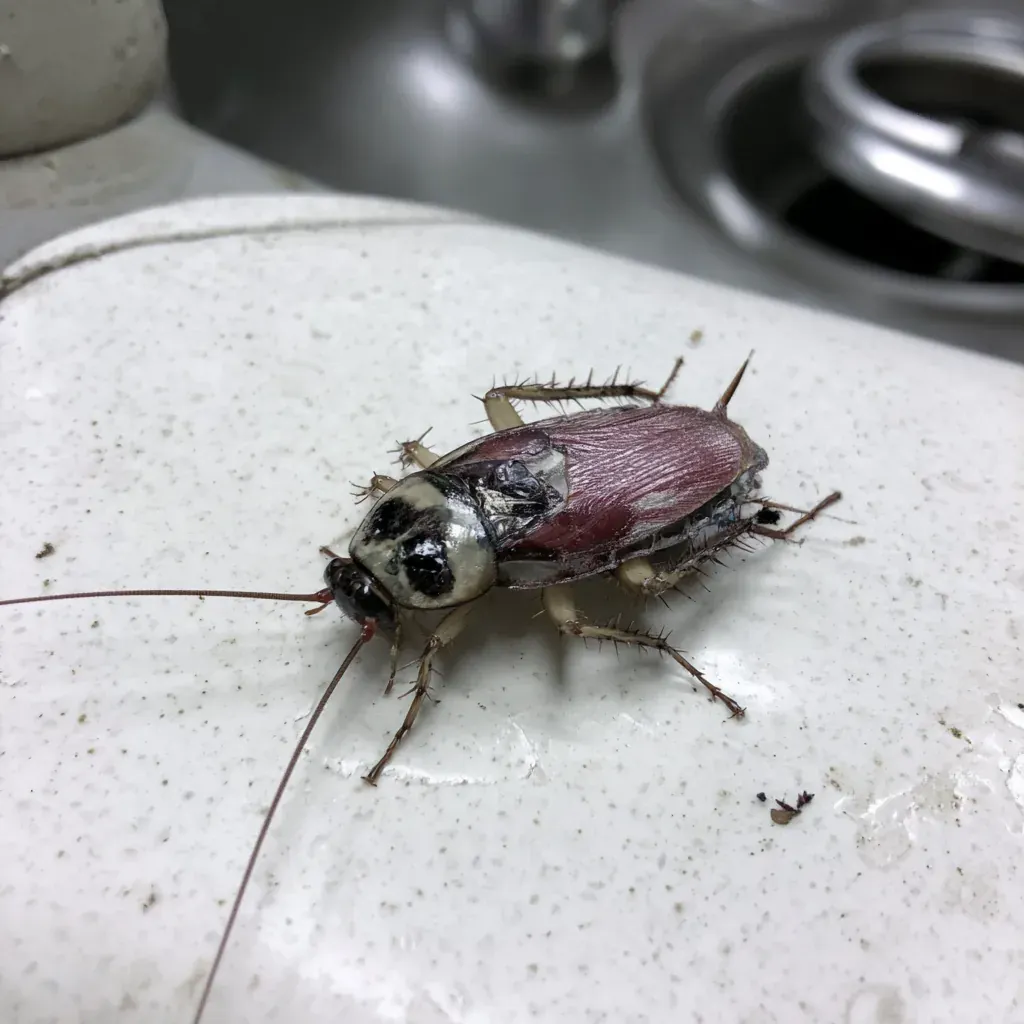
Big roaches after a summer storm are a water story rather than a kitchen story. Here is where they come from and…
Read article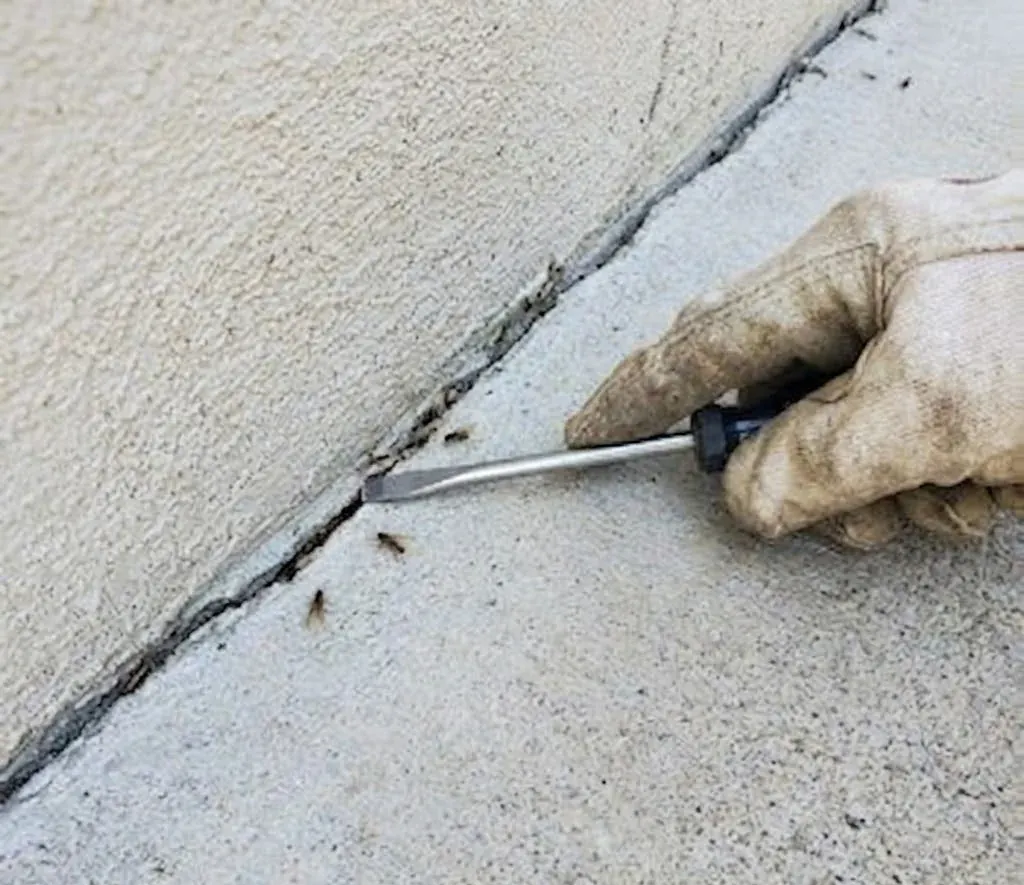
Wings on a sill in March, and again in August. The North Carolina swarm window runs from late winter into fall, in…
Read articleSame day where the diary allows, and a real arrival window when you book. We run Fayetteville and out across Cumberland County.
Call (855) 563-1479