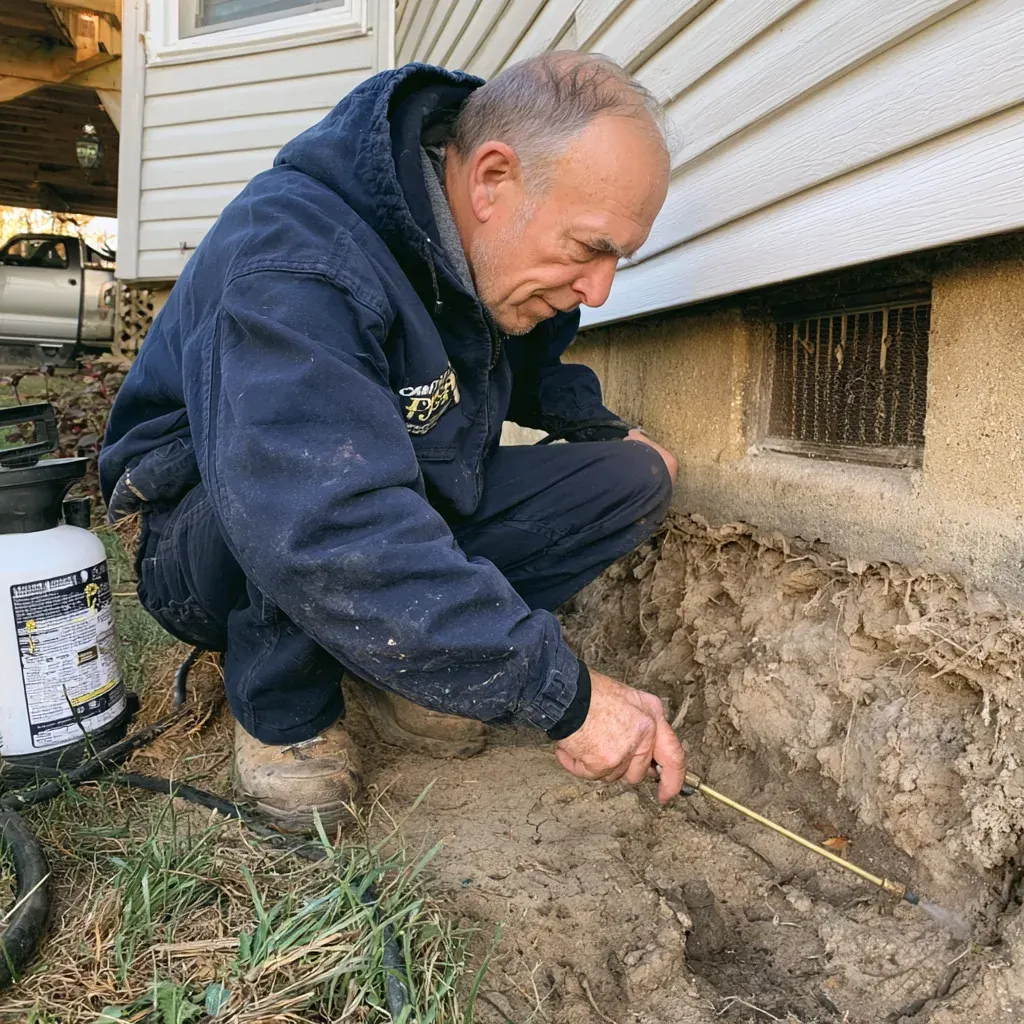
Identification
Slab or Crawl Space? How to Tell, and Why It Matters
Vents and a hatch, or concrete and a bath trap. Which foundation you have decides how the house gets inspected, treated and…
Read article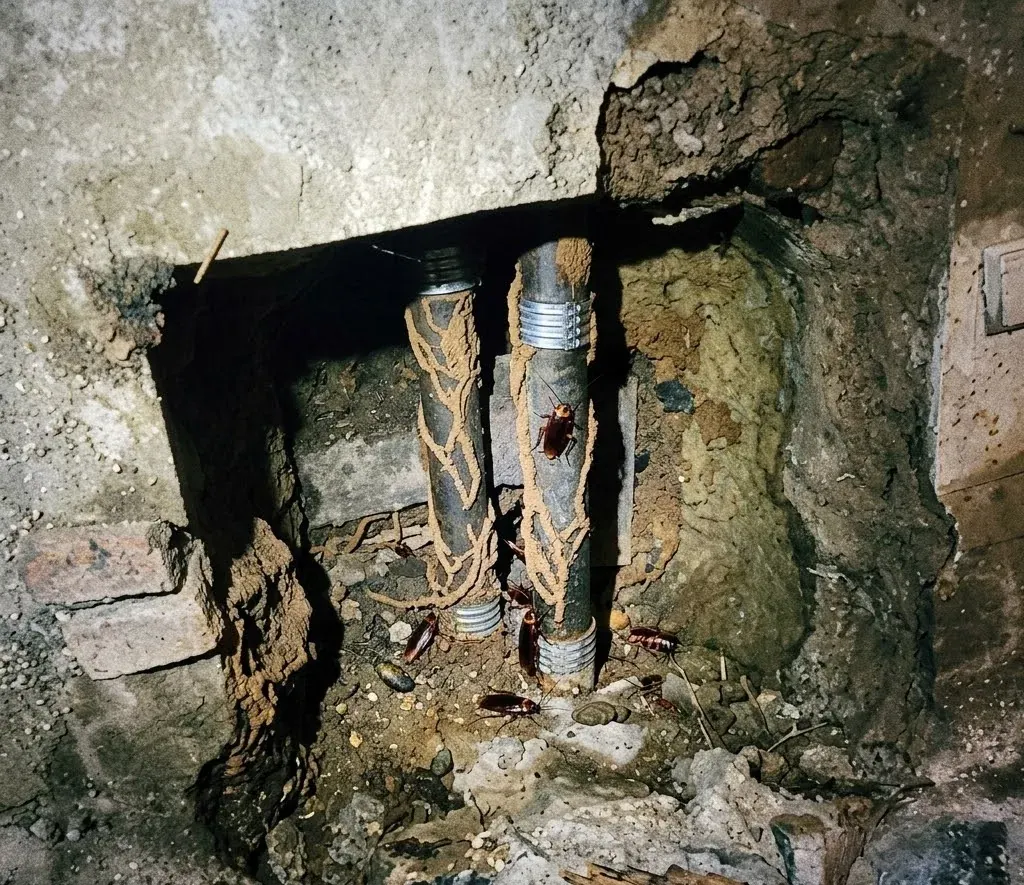
One walks in from the pine straw and the bath trap. The other is already breeding behind your dishwasher.
Getting the species wrong is why roach treatments fail. A big reddish brown insect crossing a hallway at midnight and a half inch tan one on a cabinet edge at noon are not the same problem, and the work that clears one barely touches the other. American and smokybrown roaches live outdoors by preference, in pine straw, mulch beds, gutters, sewer lines and the space under a floor, and they come indoors through openings. German roaches live inside, in a kitchen or a bathroom, and they breed there. Confuse the two and the money goes to the wrong side of the wall.
That split decides where the work goes. For the outdoor species the answer is at the shell of the building: the bath trap behind the tub on a slab house, the collars where supply and waste lines come up through concrete, the expansion joint, the weep holes, a garage door corner gone hard and gappy, a door sweep that no longer touches the threshold. For German roaches the answer is inside the kitchen. Bait goes into voids and appliance housings where they feed and shelter, and a follow-up visit deals with what hatched after the first one.
American roaches tell a different story, and Fayetteville's mix of older neighborhoods and outlying farmhouses gives them plenty of room to run. Out toward Godwin and along Dunn Road, well-worn foundations and detached outbuildings create the damp, cluttered harborage these larger roaches prefer, while homes nearer Linden and Ellerslie often back up to woods and ditches that feed the same problem right up to the sill plate. The licensed pros we connect you with treat the perimeter and the entry points, not just the kitchen.
South of Fayetteville, Parkton's older lots and St. Pauls' stretch near Broad Street and Interstate 95 at Exit 33 both mix wooded edges with aging block foundations, the kind of pairing that lets the bigger roaches move in from outside rather than hatch in a cupboard. That distinction matters for treatment: an infestation carried indoors on firewood or through a gap by the meter needs perimeter work, not just bait placed under the sink. The licensed pros we connect you with know to check both before calling the job finished.
Whether you're in Linden, Parkton, St. Pauls, or elsewhere around Fayetteville, cockroach control has to account for sand that drains fast and then holds damp underneath anyway, plus a warm season long enough that nothing gets a proper reset. That is why this outlasts a straight interior spray.
The bulk of this is private houses, and residential pest control sets out what a visit involves. Tenanted stock, shops and anything trading sits on commercial pest control.
One big one at night, usually near a bathroom or a laundry, points outdoors. American and smokybrown roaches are living in mulch, gutters or the crawl space and using a gap to get in. The fix is the opening and the harborage outside, not a canister of spray under the sink.
Half inch, tan, two dark stripes behind the head, out in the open in the middle of the day: that is a German roach population large enough that the harborage is full. This one is breeding indoors and it needs a kitchen program with follow-up, not a perimeter treatment.
Small brown capsules stuck into a cabinet corner, an appliance seam or the lip of a drawer runner are eggs, and they are cemented in place rather than carried. Finding them indoors settles the question of whether something is breeding in the room.
Sticky monitors go into the kitchen and the bathroom, and the catch decides the plan. Everything after this step is different depending on the answer, which is why guessing at it wastes a visit.
For the outdoor species the work is the bath trap, pipe collars, weep holes, the slab joint, thresholds and vent frames, plus pulling mulch and pine straw back off the siding where they are sheltering.
For German roaches, small gel placements go behind and under appliances, into hinge voids, along drawer runners and inside the sink cabinet. Nothing gets sprayed across a worktop or a floor people cook on.
Monitors get read on the follow-up visit two to three weeks later and placements are moved to wherever the catch is. Cleaning and sanitizing around appliances is part of the plan, because grease is the food supply.
Roaches carry material through drains, dumpsters and crawl spaces onto surfaces where food is prepared, and a heavy German roach population in a kitchen is a genuine hygiene issue rather than an aesthetic one. The reason to sort out which species you have is money. An outdoor roach problem is an exclusion job with a perimeter component. A kitchen population is a bait and follow-up job. Neither one solves the other.
Three classes of credential exist in North Carolina: registered technicians, certified applicators and licensees. Certified applicators and licensees hold their certification for a five year period, and the structural pest control year runs from 1 July to 30 June. All of it is issued through the NCDA&CS Structural Pest Control Division. A technician working under a licensee is normal and legitimate, and it is reasonable to ask who the licensee is.
The governing statute is the Structural Pest Control Act, N.C.G.S. Chapter 106, Article 4C, with the operating detail in the Structural Pest Control Rules at 02 NCAC 34. The Structural Pest Control Division enforces both. That is the framework a roach treatment inside your home is carried out under, and it is why the scope of the work is something you can expect in writing.
Where cockroach control tends to land locally. How far it has traveled, and whether the house is a slab or a raised floor, account for most of the spread.
| Stage | Work in it | Band |
|---|---|---|
| Early | Caught early enough that it is still in the place it started | an estimated $80–$290 |
| Typical | The full visit: perimeter soil, vents or slab line, and the pipe collars | an estimated $95–$415 |
| Heavier | More building to cover, an addition on the back, or two separate outbreaks | an estimated $145–$660 |
| Long established | Left long enough that it needs repeat visits and exclusion work | an estimated $230–$1100 |
None of this is a quote, because too much of it is decided by what is under the floor or behind the slab edge. The Fayetteville pricing guide works through what moves a figure and what comes as standard.
Most species avoid light and stay tight in harborage during the day, coming out to feed once the house goes quiet. Seeing them in daylight is the exception worth noticing: with German roaches it usually means the population has outgrown its hiding places and is being pushed out into the open.
It depends entirely on which one it was. A single American or smokybrown roach indoors is often exactly that, a wanderer from outside, and the question becomes how it got in. A single German roach in a kitchen is different, because that species does not live outdoors here and one indoors means others nearby.
They usually make a German roach job worse. The material sits on open surfaces where the insects are not, the repellent effect pushes survivors deeper into voids and along shared walls, and the population comes back scattered across more rooms than it started in. Bait placed where they already travel does the opposite.
Two to three visits across four to six weeks is normal, with a clear drop after the first. Judge progress on monitor catches rather than sightings, because sightings rise briefly at the start as dosed insects leave harborage. A kitchen that is still catching adults at week six needs the placements reviewed, not more product.
An outdoor-species treatment with the perimeter and the entry points handled lands at an estimated $85 to $145 for the first visit. A German roach kitchen program with the follow-ups included runs an estimated $145 to $295 in total. Access, kitchen size and how long it has been going on move both. Guide ranges only.
Report it to the property manager in writing and ask for the adjoining units to be inspected at the same time. German roaches move along plumbing chases and shared walls, so a single treated unit in a block gets reinfested from the one beside it. This is a building-level job wherever the building is shared.
Cockroach control runs an estimated $95–$275 per treatment on an ordinary Fayetteville property. A guide, not a binding price. Somebody reads the foundation and the ground against it, then writes the number down for you to approve or refuse. We set these bands a little under the going local rate on purpose.
The long version, for anyone who would rather understand it before booking anything.
Vents and a hatch, or concrete and a bath trap. Which foundation you have decides how the house gets inspected, treated and…
Read article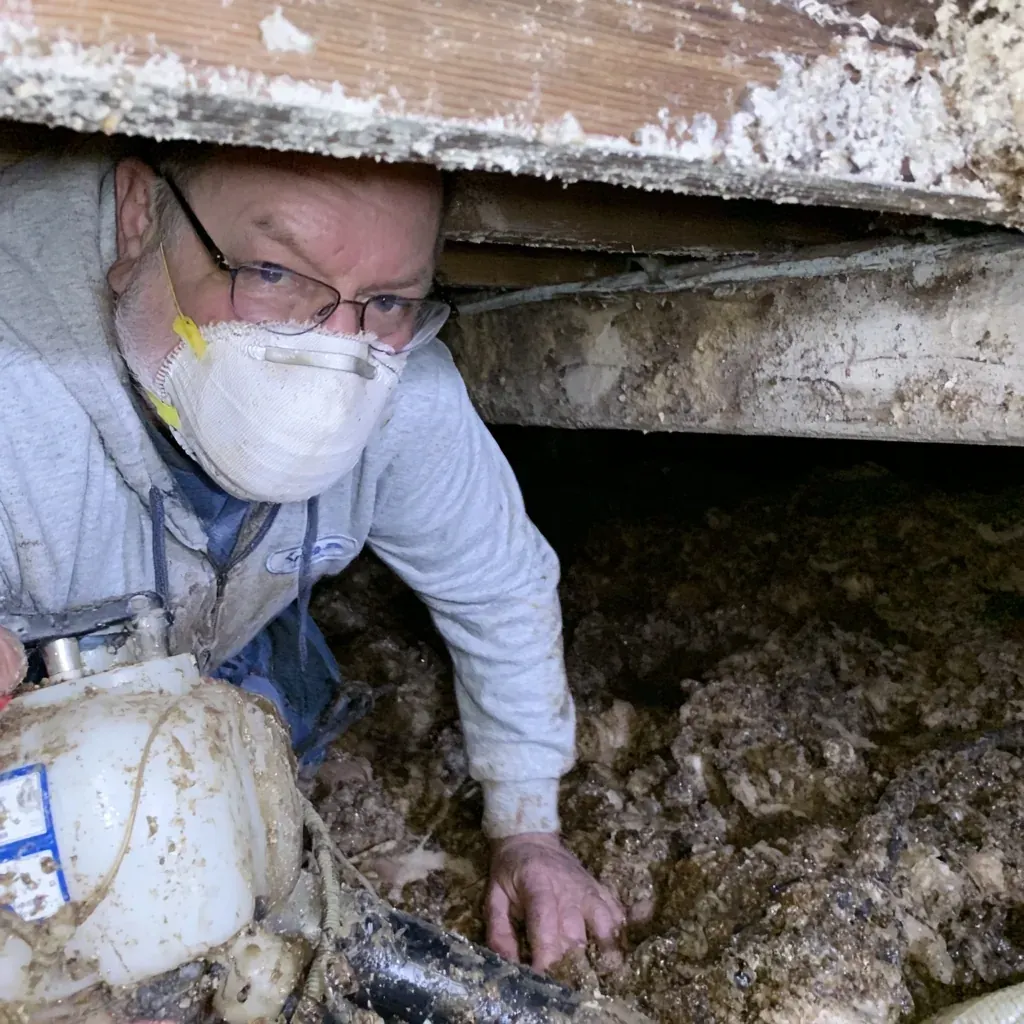
One number on an inspection report tells you more about a crawl space than any photograph. Here is what sits behind it…
Read article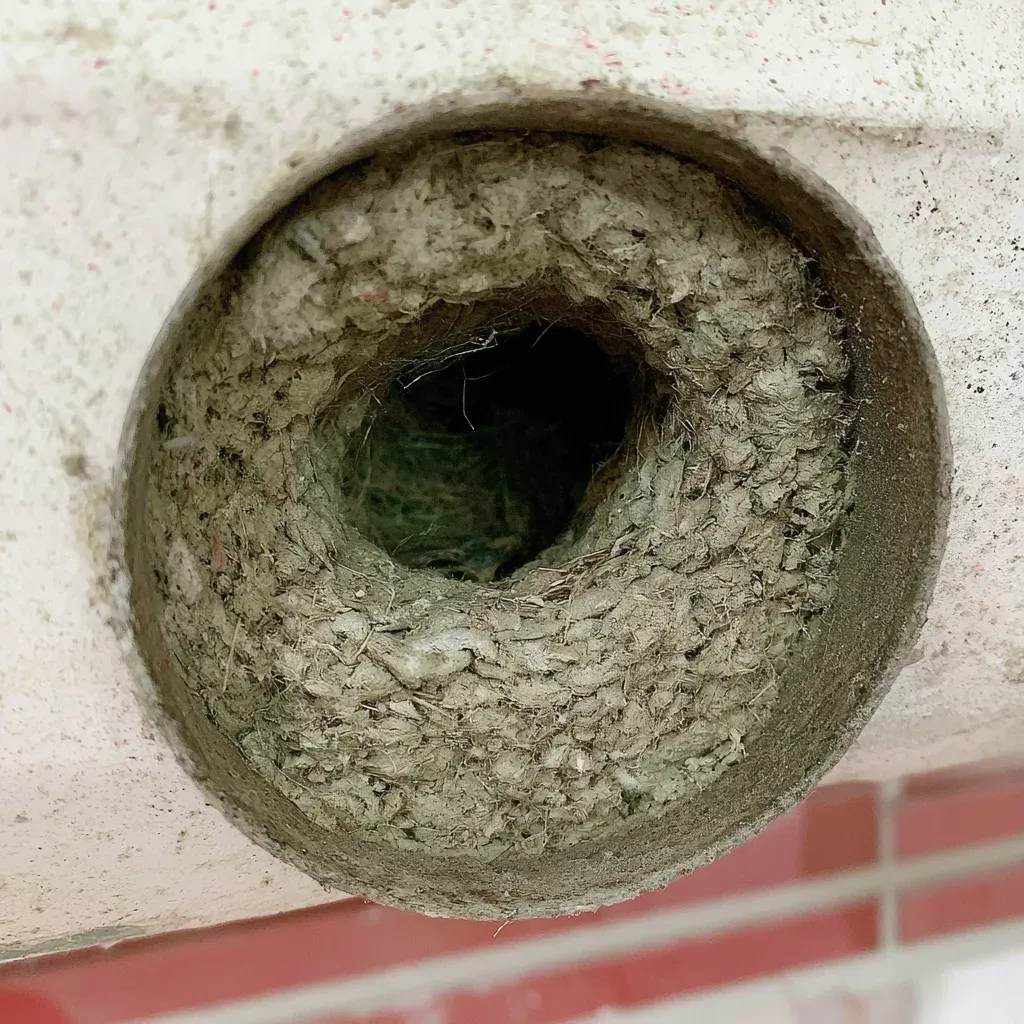
Traps thin out what is already inside. Sealing is the half of the job that keeps you from repeating the exercise next…
Read articleCockroach Control cannot be priced honestly from a phone call in a market split between slab and crawl space. Have it looked at, then decide. The looking costs nothing.
Call (855) 563-1479