Homeowner Tips
Bed Bugs at Turnover: A Landlord's Playbook in Fayetteville
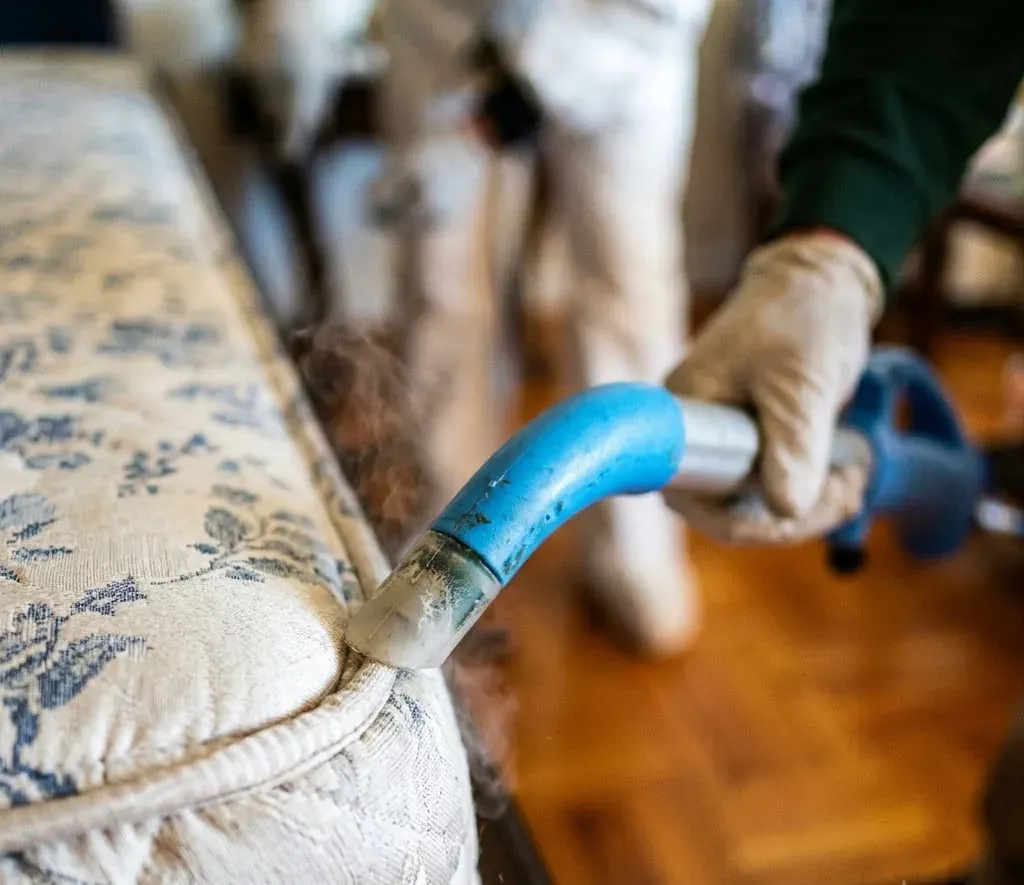
The empty unit between tenants is the cheapest and cleanest time to deal with bed bugs, provided nobody reaches for a fogger…
Read article
For builders, and for anyone buying a house that went up in the last few years.
Building gives you one chance at the cheapest termite protection a house will ever have, and it closes when the concrete truck arrives. Treated soil under and around a slab, applied while the fill is open and the footings are reachable, costs a fraction of chasing the same protection through finished flooring and landscaping five years later. With subdivision slab construction going up across Cumberland County and into Hoke County around Rockfish and Raeford, this is ordinary scheduled work for builders here, and it is coordinated between the grading crew, the plumber and the concrete pour rather than added on afterward.
The state sets out how it is done, so a builder or a buyer can check the work against a published standard instead of taking a word for it. Soil next to foundation elements is treated by trenching, or trenching and rodding, to a minimum depth of 4 feet at 4 gallons per 10 linear feet per foot of depth, on all sides of all foundation elements including chimney bases, foundation walls, pilasters and pillars. Under a slab, the soil is treated after the sub-slab fill is in and before the pour, at 1 gallon per 10 square feet, or 1.5 gallons per 10 square feet where the final fill is washed stone.
Fayetteville's new-construction boom means this pre-pour treatment gets scheduled constantly, from infill lots to full subdivisions, and the same slab-prep timeline holds for builders working a drive out toward Godwin near Dunn Road or staging near Interstate 95 at Exit 65. Down toward St. Pauls, crews pouring near Broad Street or off Exit 33 follow an identical fill-and-treat sequence before concrete goes down. The licensed pros we connect you with time the treatment to the sub-slab fill, not the calendar, wherever the pour is happening.
Whether you're in St. Pauls, Clinton, Roseboro, or elsewhere around Fayetteville, new construction termite pretreatment has to account for sand that drains fast and then holds damp underneath anyway, plus a warm season long enough that nothing gets a proper reset. That is why this outlasts a straight interior spray.
The treatment is the same either way. The scheduling and the paperwork are not: residential pest control for a home, commercial pest control for anywhere with customers or tenants in it.
A pretreated house should have paperwork: what was applied, at what rate, and at which stage. If a builder or seller cannot produce it, treat the soil barrier as unproven rather than assumed.
When a slab is poured without the required soil treatment, a Sub-Slab Treatment Release Form records which areas were not treated. It should only be signed by the property owner, so a signature that is not yours on a form about your house is worth a question.
Final grading is supposed to direct water away from the structure. Where it slopes in, you get a permanently damp foundation and the conducive condition that makes the rest of the protection work harder.
The state's prevention list is explicit about removing form boards and grade stakes and clearing stumps, roots, wood and cellulose from the site before building. Buried lumber is a food source with a treated barrier built around it.
Treatment goes in after footing approval and before concrete. This is the stage most often missed, because it has to be booked around the inspector rather than around the crew.
Once the foundation is backfilled in the crawl space, the soil next to the foundation elements is treated. Where footings are exposed, treatment goes adjacent to the footing and not below its bottom, in a trench no less than six inches deep or to the bottom of the footing, whichever is less.
With the sub-slab fill installed and leveled, the horizontal barrier is applied at the published rate, with the vertical barrier around the foundation elements next to the slab. Where drain tile or french drains create a contamination hazard, the treatment must not put insecticide into the drainage system.
The exterior treatment completes the envelope as backfill and final grading finish. All four stages are usually achievable in three trips with careful scheduling, which is the difference between a coordinated job and three change orders.
A pretreatment protects the parts of a house that can never be reached again. Once the slab is down, the soil beneath it is out of reach for the life of the building, and any protection there has to be worked in through drilling. For a builder that turns into warranty calls in year two. For a buyer it turns into a treatment quote on a house that was supposed to be new. The window is short and it does not reopen.
Pre-construction subterranean termite work in this state is governed by 02 NCAC 34 .0505 and set out in the NCDA&CS guidance on pre-construction control, including the four treatment stages, the trenching and rodding depths, the per-foot and per-square-foot volumes, and the requirement that treatment near drain tile or french drains does not introduce insecticide into the drainage system. Because the standard is published, a builder can be held to it.
Where a slab goes down without the required soil treatment, the Sub-Slab Treatment Release Form documents the untreated areas and belongs to the property owner to sign. An Official Waiver of Minimum Termite Requirements form also exists. Both are records of protection you do not have, which is precisely why they are worth reading before closing rather than after.
Plan with these rather than quote from them. For new construction termite pretreatment, getting at the substructure moves the number further than floor area does, and that is why an honest price does not come down a phone line.
| Which band | What happens | Estimated |
|---|---|---|
| Contained | One live spot, say a run behind a kitchen cabinet or a single mound | an estimated $360–$1420 |
| Routine call | Interior placements with the vents, the weep holes and the slab edge | an estimated $425–$2025 |
| Bigger job | A bigger property, or something that has had a season to bed itself in | an estimated $640–$3240 |
| Staged | Something with a history behind it, so several visits and sealing | an estimated $1020–$5400 |
Caught in the first weeks this stays near the bottom of its band. Left through a Sandhills summer it does not. The pricing guide shows by how much, and where damage cover actually stands.
Adjacent to foundation elements: trenching, or trenching and rodding, to a minimum depth of 4 feet at 4 gallons per 10 linear feet per foot of depth. Under a slab: 1 gallon per 10 square feet of soil, rising to 1.5 gallons per 10 square feet where the final fill is washed stone. Those are the published minimum standards, so they are checkable.
No. There are four stages tied to construction milestones, though careful scheduling usually gets them done in three trips. Anyone offering a single-visit pretreatment for a slab home is not describing the state standard.
It is used when a slab has been poured without the soil treatment required by the minimum pretreatment standards. It tells the property owner which areas were not treated, and it should only be signed by the property owner. If you bought a new build, asking whether one was signed is one of the most useful questions available to you. An Official Waiver of Minimum Termite Requirements form also exists.
Baits for pre-construction have to be installed after final grade and landscaping, and they do not create a barrier. They are useful where a well is present, an area is inaccessible, or the owner has pesticide concerns, but they generally do not give quick control and keeping a bait agreement going is normally more expensive than maintaining a conventional treatment warranty.
The state's prevention list gives the numbers: exterior woodwork a minimum 6 inches above ground, crawl space beams at least 18 inches above ground so future inspection is possible, no wood-to-soil contact, pressure treated wood anywhere wood meets soil, foundation ventilation designed to avoid dead air pockets, foundation areas kept accessible, grading that moves water away, and annual inspections.
Ask directly, and get the answer in writing. Locally the arrangement is often called a Soil Warranty Pick-Up, which covers a home under the builder's contract for the first year after purchase where the same company did the initial treatment and the owner wants to continue, with a four-year contract typically offered. Confirm whether it is re-treatment only before you rely on it.
A planning figure, not a quote: new construction termite pretreatment in the Fayetteville area normally comes to an estimated $425–$1350 per treatment. Where you land is set by treated area, whether the house sits on a poured slab or over a crawl space, and how much of the structure is already involved. The look is free, the number is written down before anything is opened, and our bands sit slightly under what the companies here publish.
Worth a read if you are still not certain what you are looking at.
The empty unit between tenants is the cheapest and cleanest time to deal with bed bugs, provided nobody reaches for a fogger…
Read article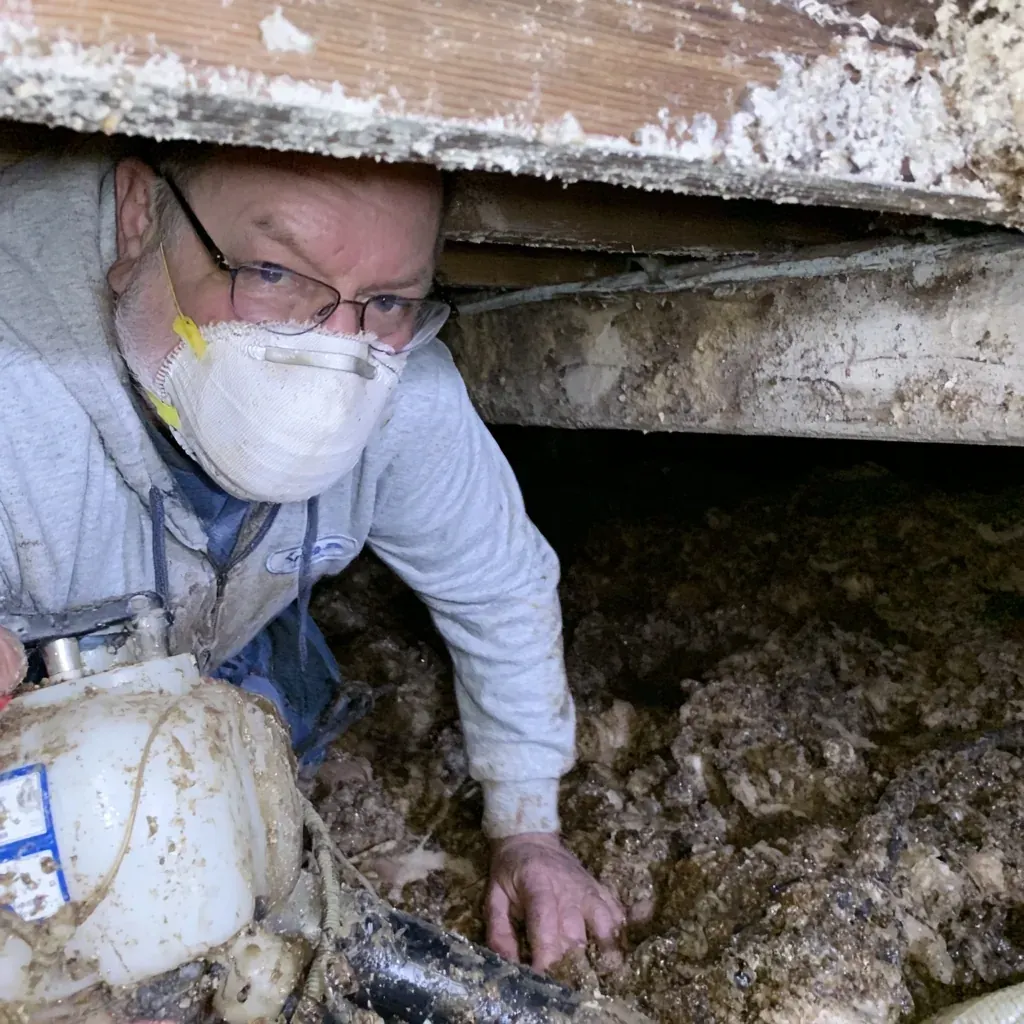
One number on an inspection report tells you more about a crawl space than any photograph. Here is what sits behind it…
Read article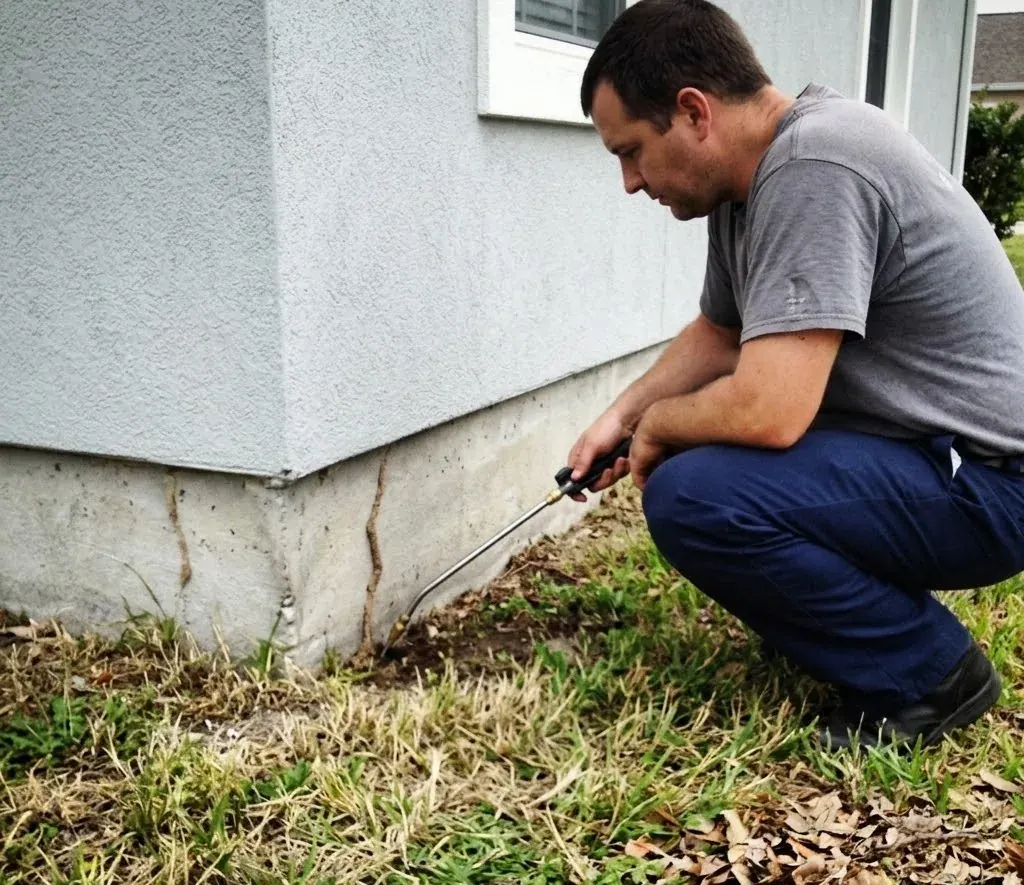
Drenching the mound you can see usually shifts the colony a few feet. Bait first, then mound work, is what holds a…
Read articleRing and describe what you are dealing with. Somebody who works Fayetteville and the towns either side of it looks before quoting, and the looking is free.
Call (855) 563-1479