Pest Directory
Common Pests in Fayetteville, NC
14 of them, sorted into the groups a homeowner actually needs, each page paired with whatever it gets confused with.
The gist
Each entry below has a page of its own, written around Cumberland County houses rather than around the country in general: the physical features that separate it from its look-alike, the first signs, why it is getting into a building put together the way buildings here are put together, and what dealing with it involves. Estimated bands live on the pricing guide.
Two things are worth knowing before you scroll. The first is that the identification carries more weight than people expect, because the wrong product does not simply fail. On a colony it can scatter what was about to be dealt with and turn one visit into three, which is why a good few of these pages give the imposter as much room as the pest.
The second is that the list is written for this county on purpose. Most of what you will read elsewhere assumes a hard freeze that resets everything each winter. Here the reset is partial: the yard genuinely does go quiet for a few weeks, but the swarm window opens again in late winter, a crawl space stays damp right through, and the ground is sand that drains at the surface and holds moisture underneath. Advice written for somewhere with a real winter quietly gets the timing wrong.
Wood destroying insects
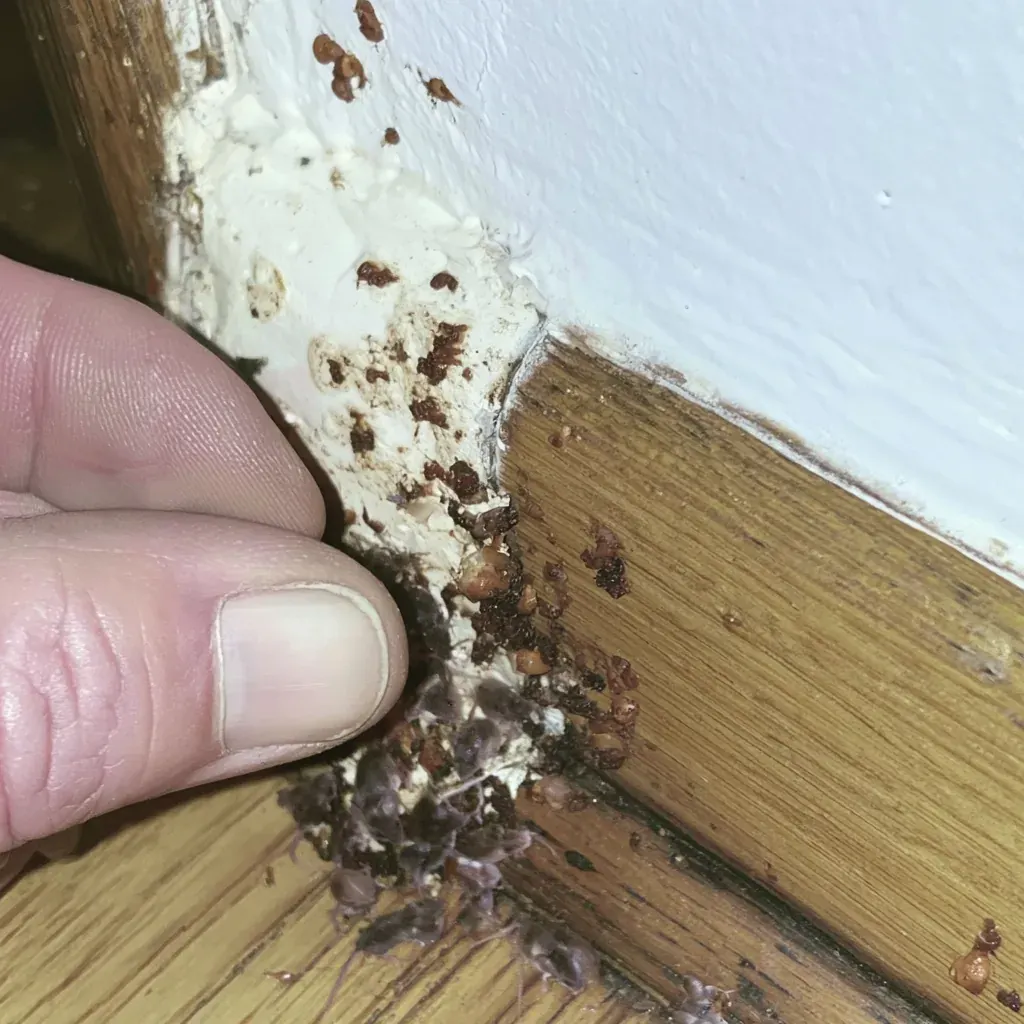
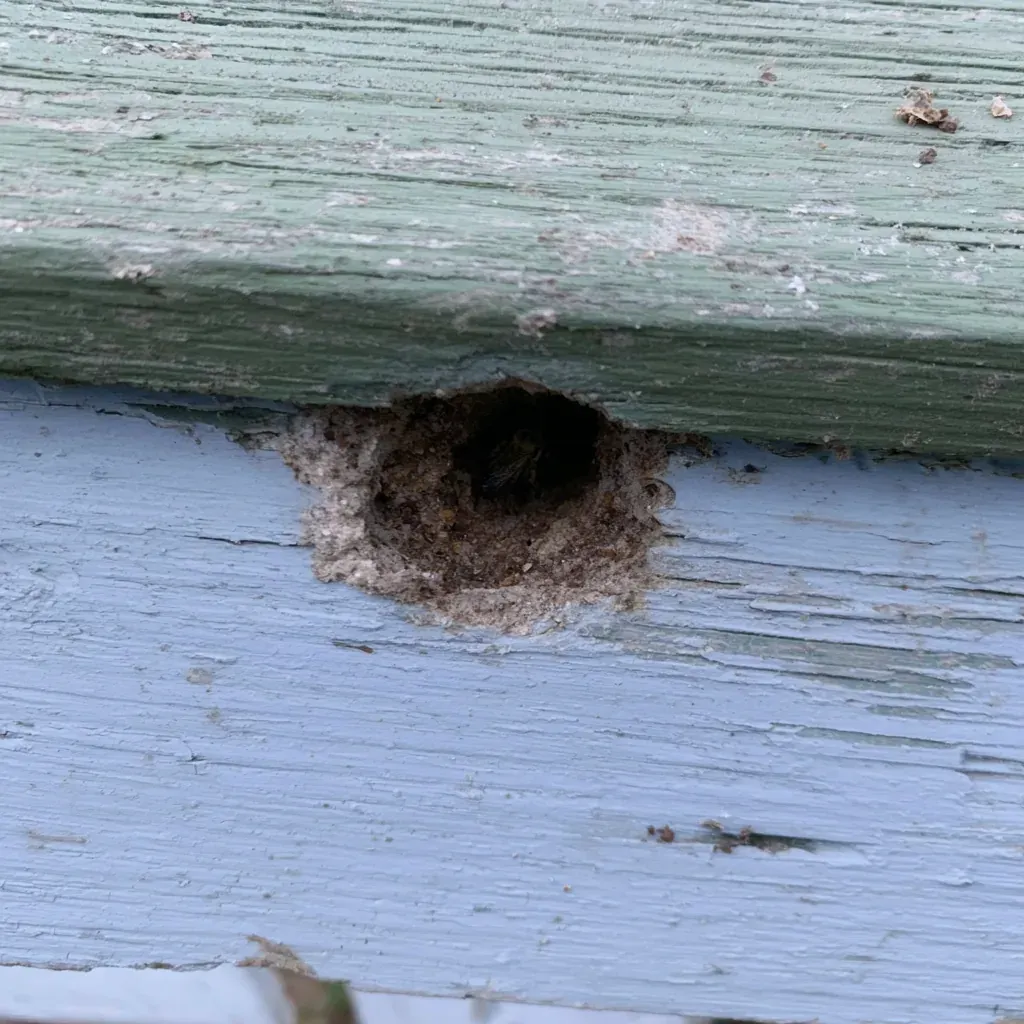
Ants and lawn pests
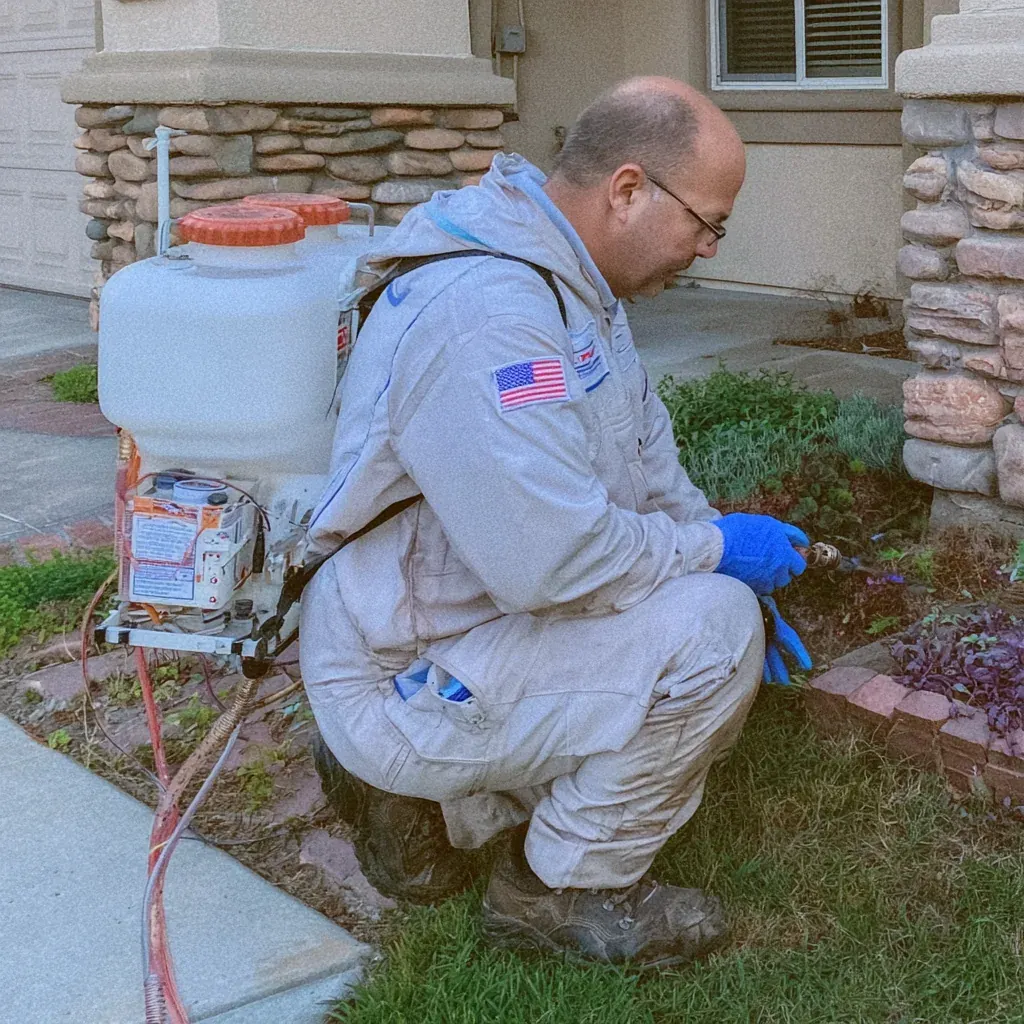
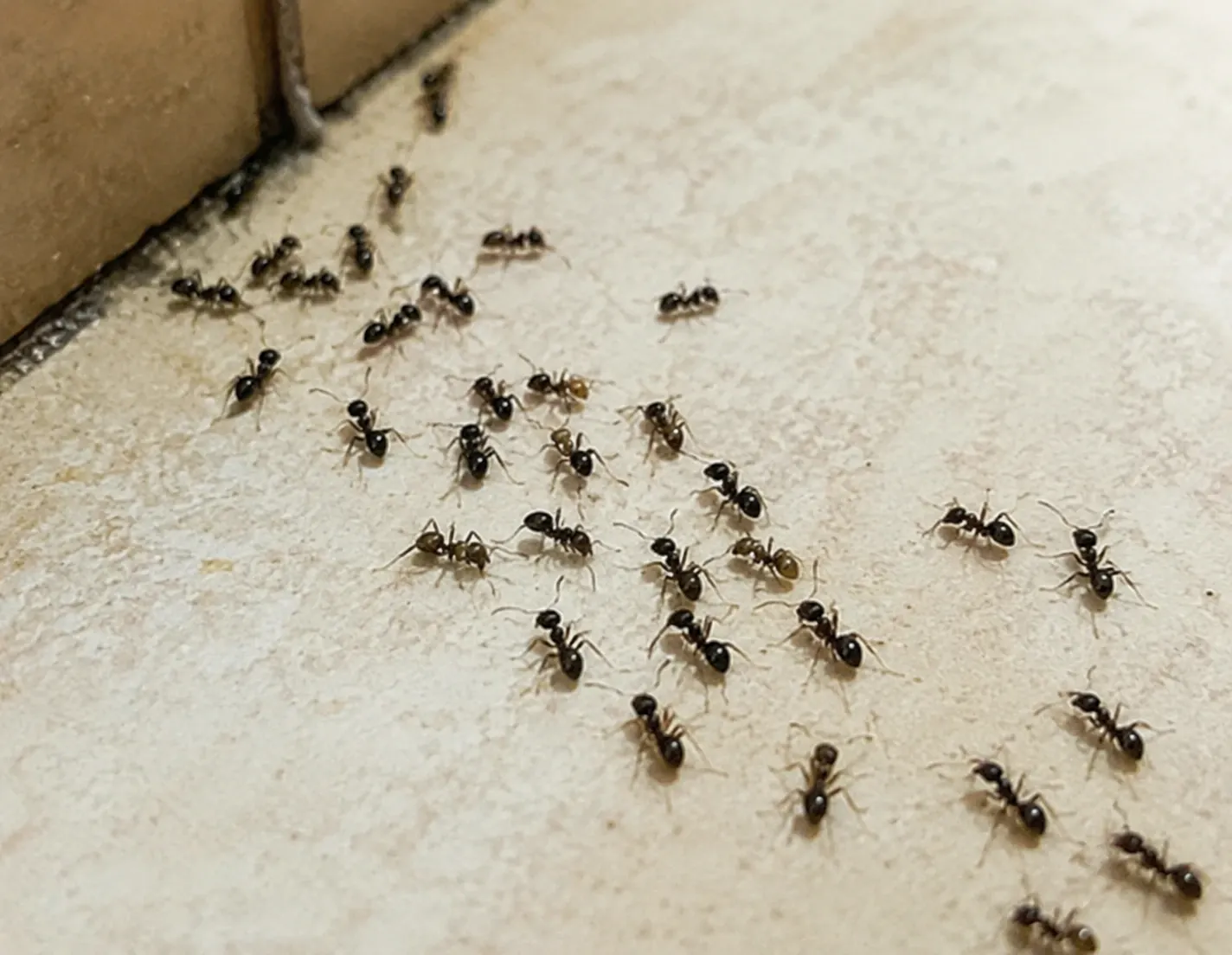
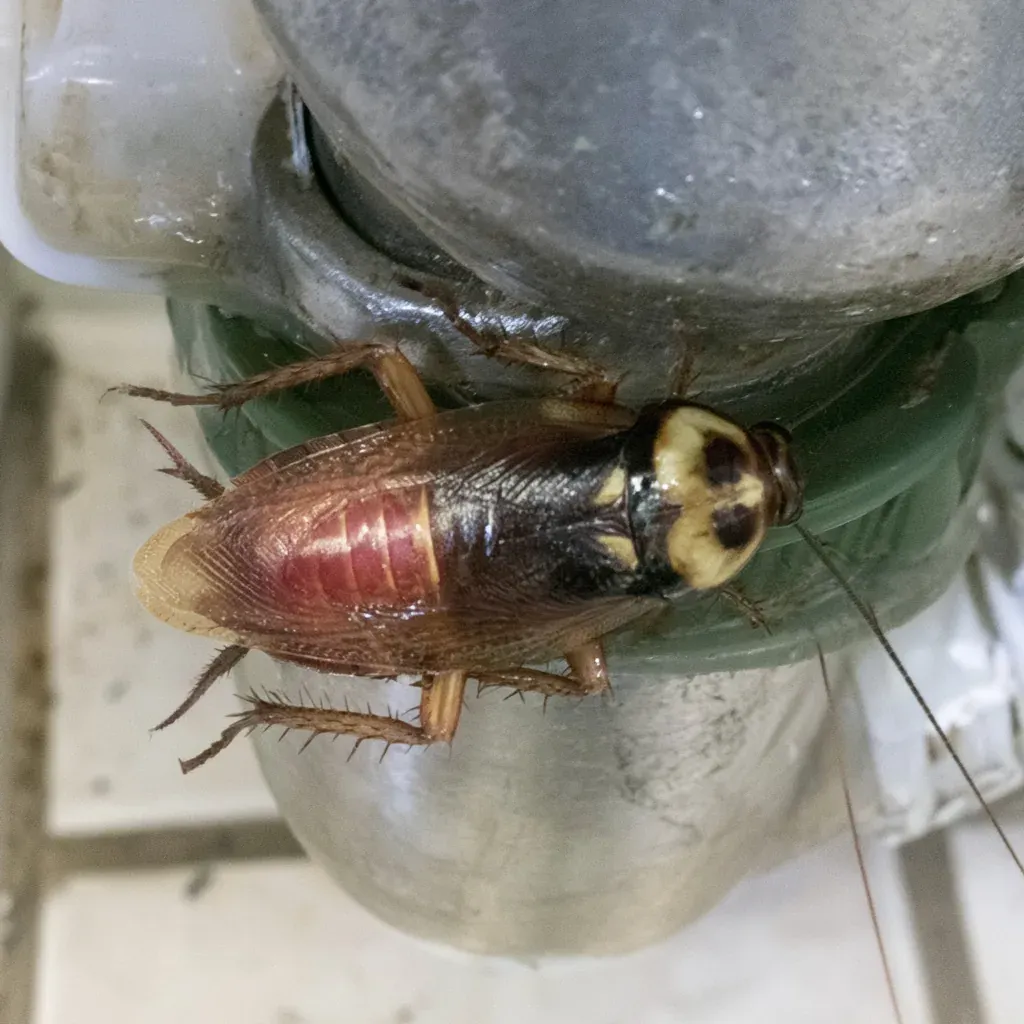
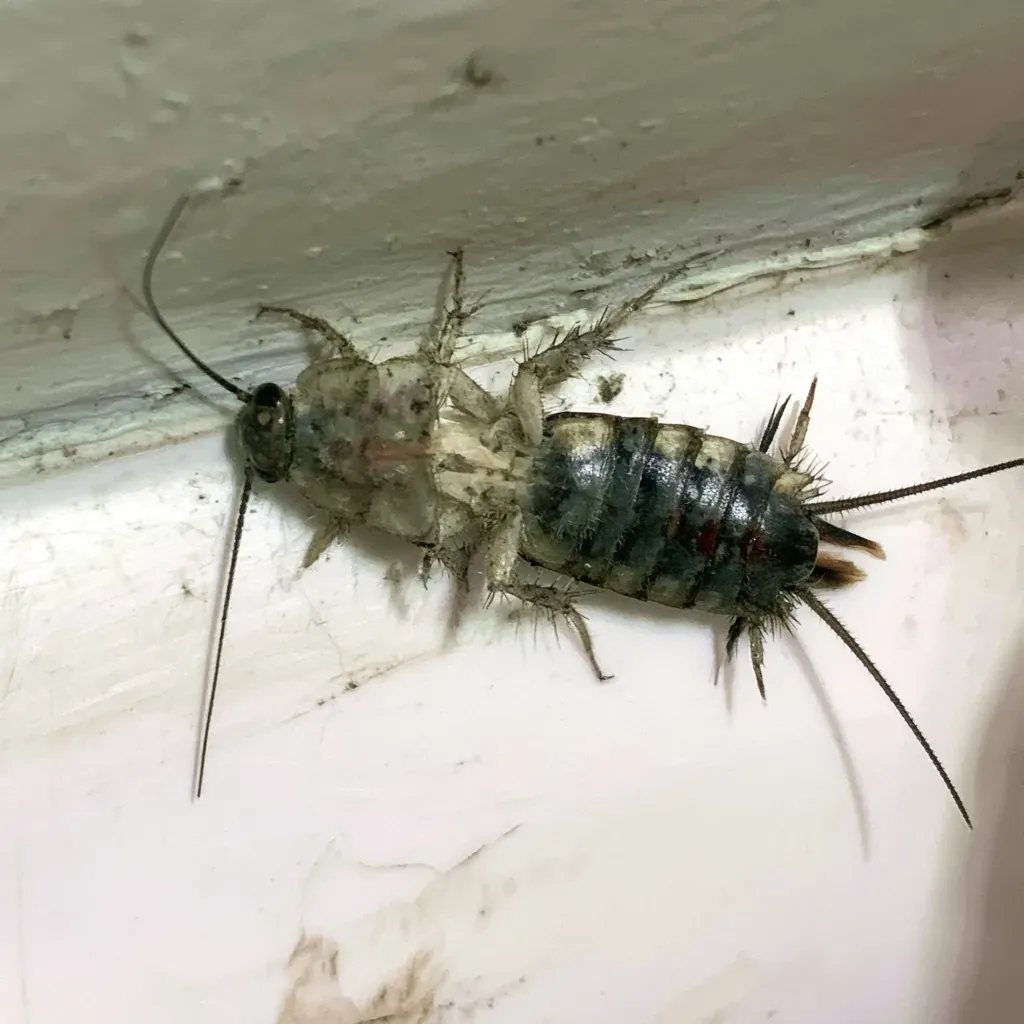
Cockroaches and crawling insects
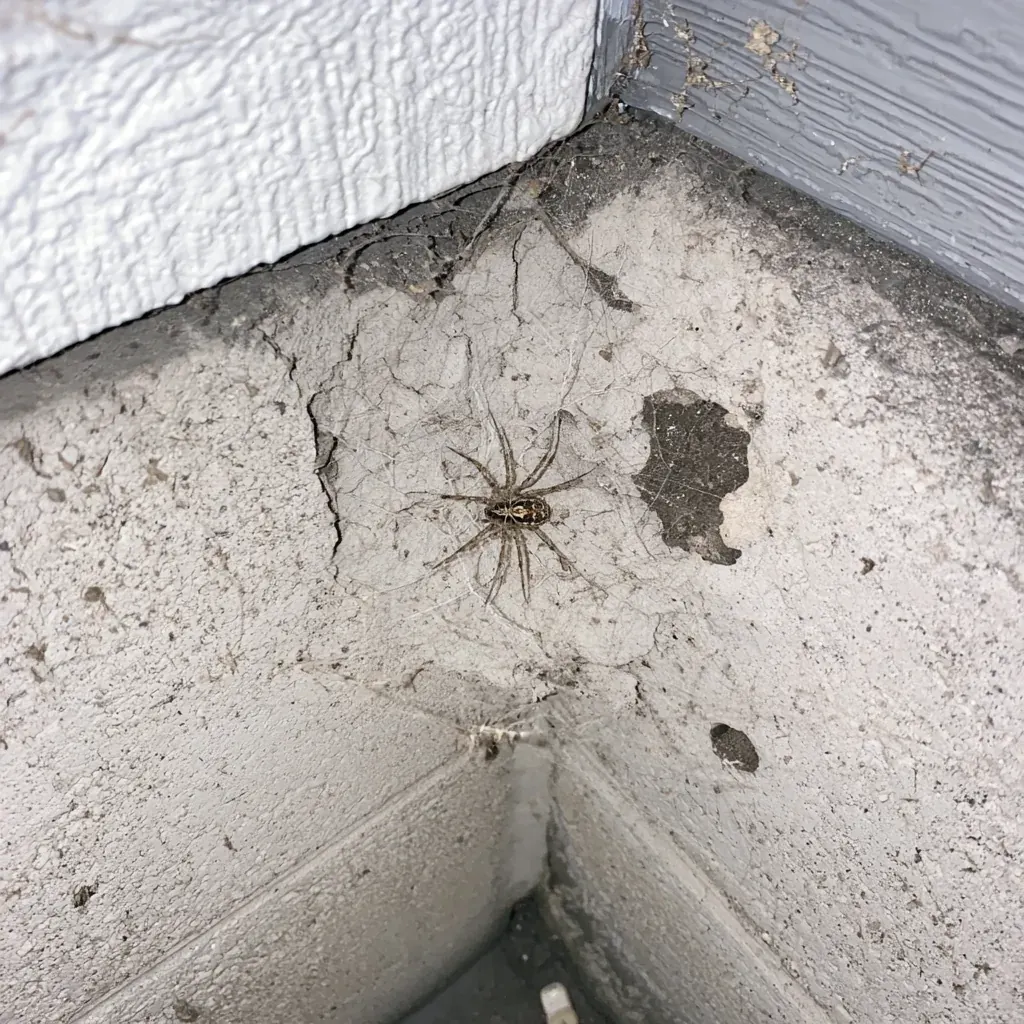
Biting and stinging
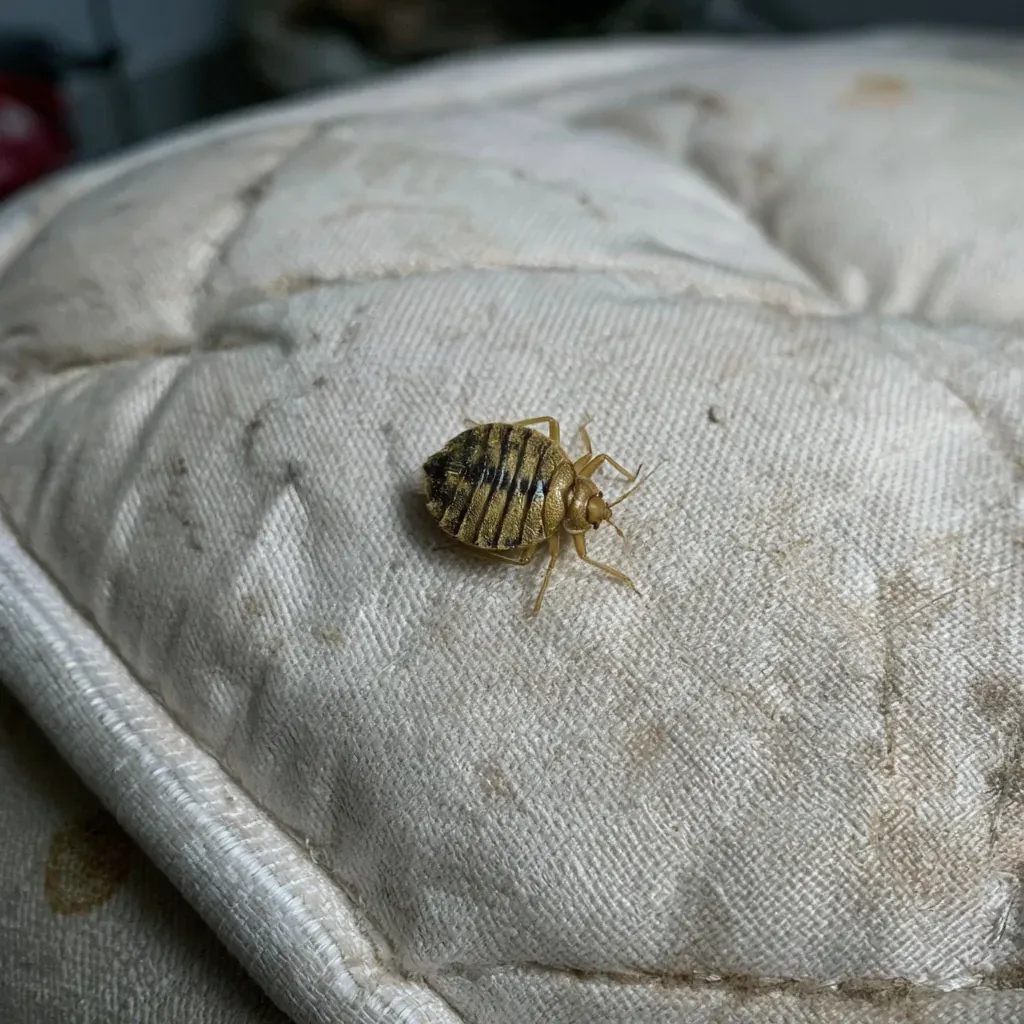
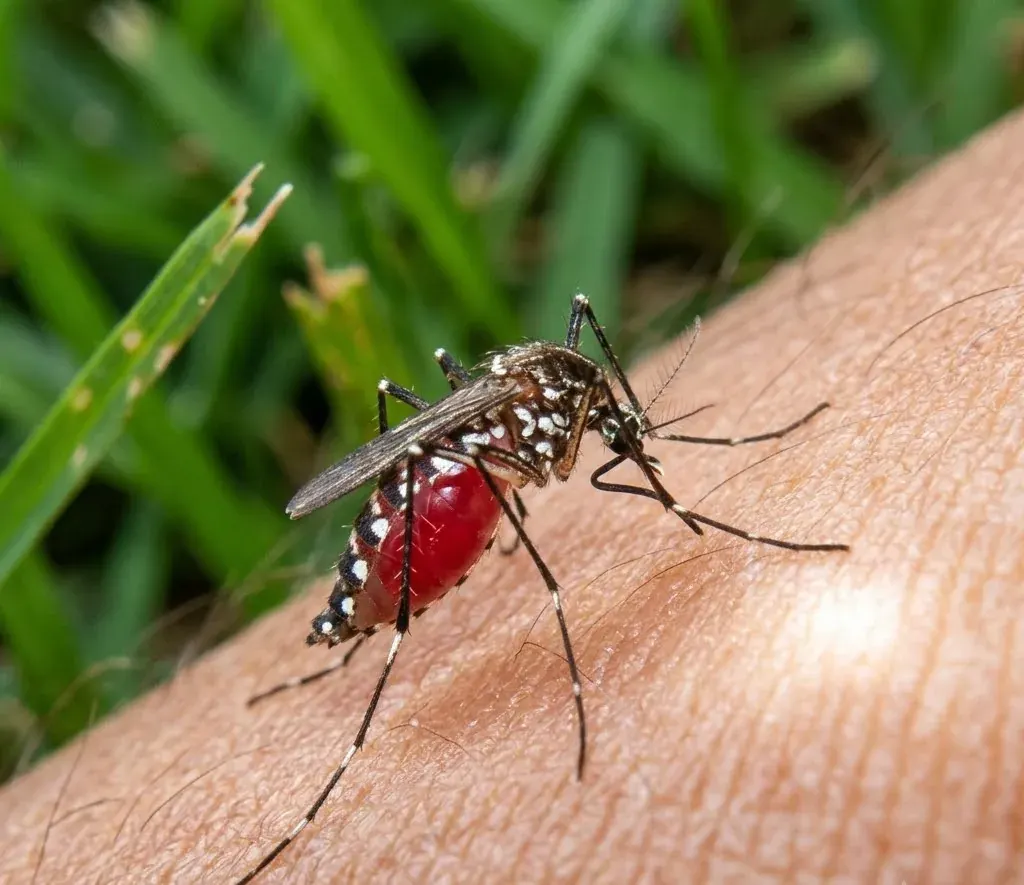
Questions & Answers
Frequently Asked Questions
How long is the season here, really?
Longer than the advice on most national sites assumes, and with one genuine quiet stretch. Subterranean termites here swarm from late winter into September or October, in daylight, most often on a warm day after rain, so February and August are both ordinary. Fire ant mounds work from spring until the first real cool spell and reappear within days of a downpour. American and smokybrown roaches come indoors whenever the ground saturates. Then December to February goes quiet outdoors and the calls move inside to rodents and camel crickets. So it is a lull rather than a stop, and a page for each of these earns its place because there is no single week to point at.
I do not know what I am looking at. Where do I start?
Start with what you found rather than a guess at the name. A photograph, a shed wing off a windowsill, or even just which floor of the house it was on narrows it faster than a spoken description does. The symptom page runs the same way round, from the thing you noticed to the likely cause. A misidentification is the usual reason a treatment achieves nothing, and having somebody look does not cost you anything.
Why is the gap between these prices so wide?
Different amounts of work rather than different hourly rates. A perimeter treatment for ants is an afternoon. Termite protection is measured in linear feet of footing and comes with an agreement that runs year on year. Bed bugs mean preparation, a room at a time, and either heat or repeat visits. Anything under a floor or in a roof space means somebody in a coverall with a light and a lot of patience. The bands on the pricing guide are set out plainly so that gap is visible rather than averaged away.
Does the housing stock change which of these I get?
Noticeably, and it is the question nobody asks. Cumberland County is split roughly evenly between slab on grade and raised floors over a crawl space, and the two fail in different places. Over a crawl space you get damp framing, camel crickets, and termites arriving through soil contact you never see. On a slab the routes in are the bath trap, the plumbing penetrations and the joint where the concrete has shrunk back off the foundation wall. Same county, same street sometimes, different list.
Get Started Today
Not sure which of these you have?
Tell us what you found and whereabouts. Naming it correctly is what decides whether the treatment holds, and having somebody look is free either way.
Call (855) 563-1479