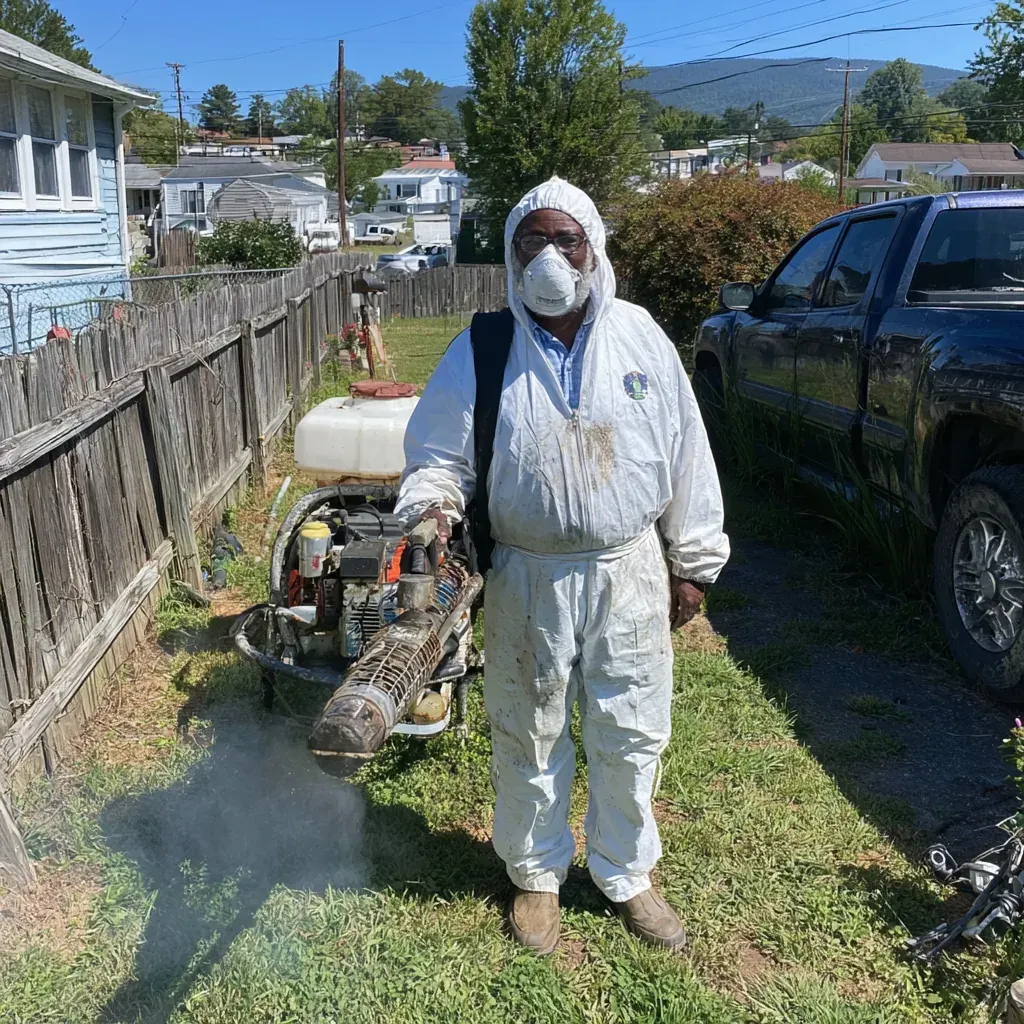
Mosquito and Tick Control
Shaded harborage, standing water, and the pine edge where lone star ticks and chiggers are waiting.
Learn about Mosquito and Tick ControlLow yards that hold water for days after a summer storm, and ranch houses from the seventies sitting right in among newer subdivision build. Standing water and an older slab edge together are what most of the calls here come down to.
The dam on Little Rockfish Creek is the reason this town is here, and it is also why mosquito pressure runs ahead of drier parts of Cumberland County. Water backs up behind the dam into Hope Mills Lake, the creek carries on southeast toward Rockfish Creek and the Cape Fear, and the low ground either side of it stays soft for days after a summer storm. Housing then splits the work in two. Ranch stock from the 1970s and 1980s, when the town grew fastest, usually sits over a crawl space, so ground cover, standing damp and wood clearance are the first things to read. The subdivisions that filled in later are largely slab, which moves the conversation to bath traps, plumbing penetrations and the joint where a slab pulls back from the foundation wall. Main Street is NC 59, running north about five miles to US 401 and south to I-95 at Exit 41.
Every town has its own pattern. Here is what actually causes the problems on Hope Mills properties.
You are looking at 1970s and 1980s ranch alongside subdivision build from the 2000s on through most of Hope Mills. Where the build is slab on grade the story moves indoors: slabs shrink back from the foundation wall, and the bath trap and plumbing penetrations become the route up before anybody hears a thing.
Little Rockfish Creek lifts the humidity under the floor noticeably. Cardboard stored down there, stacked lumber and sagging insulation all turn into harborage in those conditions, and hauling them out is often half the result.
Hot humid summers with afternoon storms that leave water sitting in low yards for days. Working ahead of it is the whole trick. Sealing before storm season, for instance, avoids the wildlife job that otherwise turns up once the water moves.
We would rather you knew the range now than found out after the visit. Anything outside these figures gets explained before we start.
| Service | Estimated cost |
|---|---|
| Mosquito and Tick Control | an estimated $69–$139 |
| General Pest Control | an estimated $89–$239 |
| Moisture Control | an estimated $265–$825 |
| Termite Control | an estimated $425–$1350 |
A permanent body of water in the middle of town, so mosquito treatment here is about the yard and the harborage around it rather than any hope of clearing the lake.
The creek bottom holds moisture long after the rain stops, which keeps crawl spaces on nearby streets damper than the same house would be on higher ground.
Shaded harborage, standing water, and the pine edge where lone star ticks and chiggers are waiting.
Learn about Mosquito and Tick Control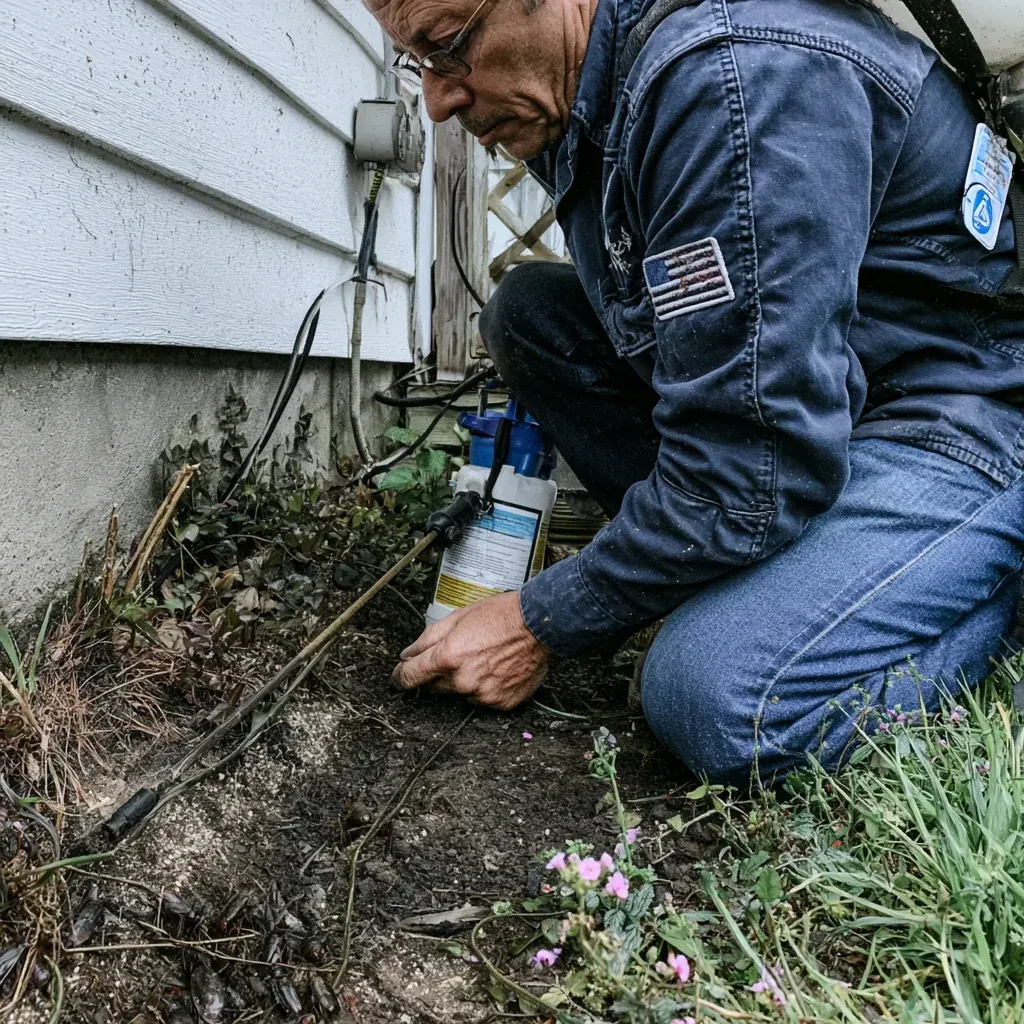
Treat the strip of ground where the wall meets the soil and the inside of the house gets quiet.
Learn about General Pest Control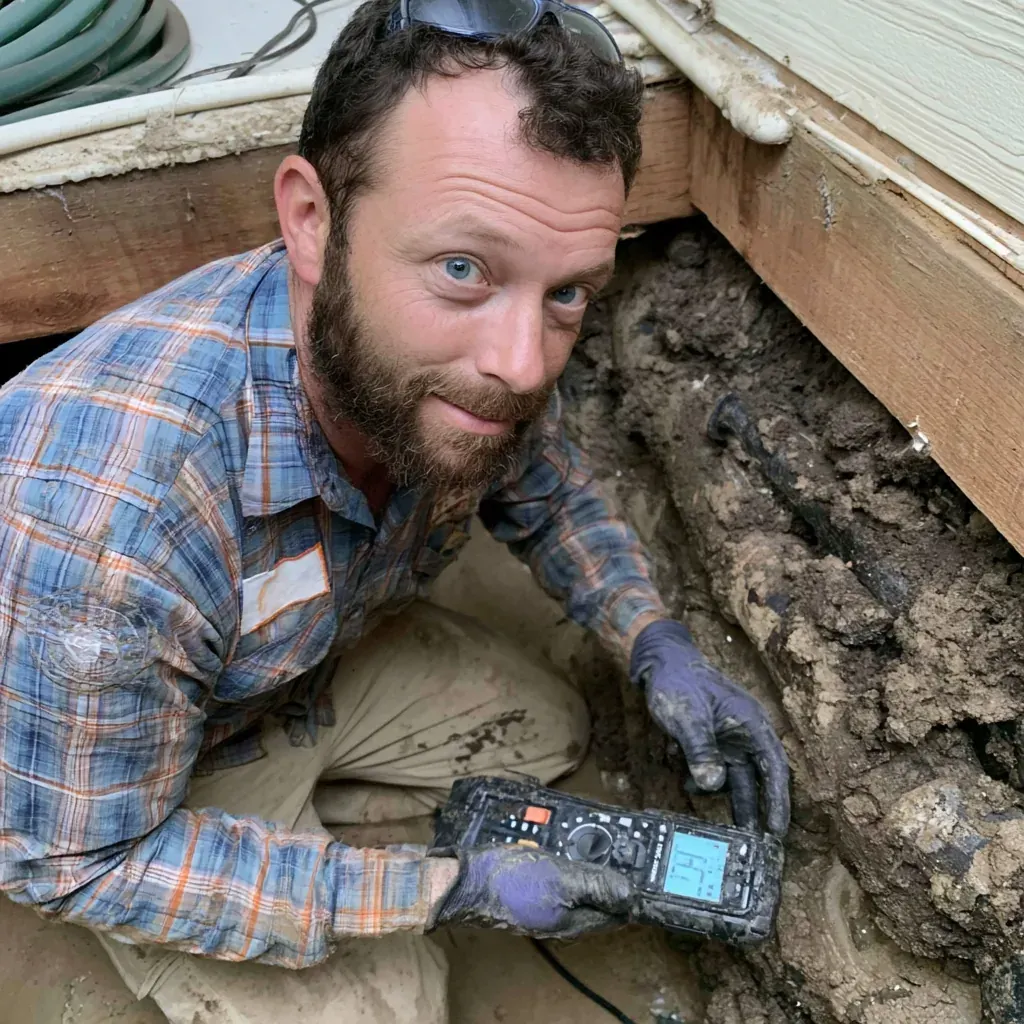
Dry wood is the cheapest termite deterrent there is, and the one nobody sells you.
Learn about Moisture Control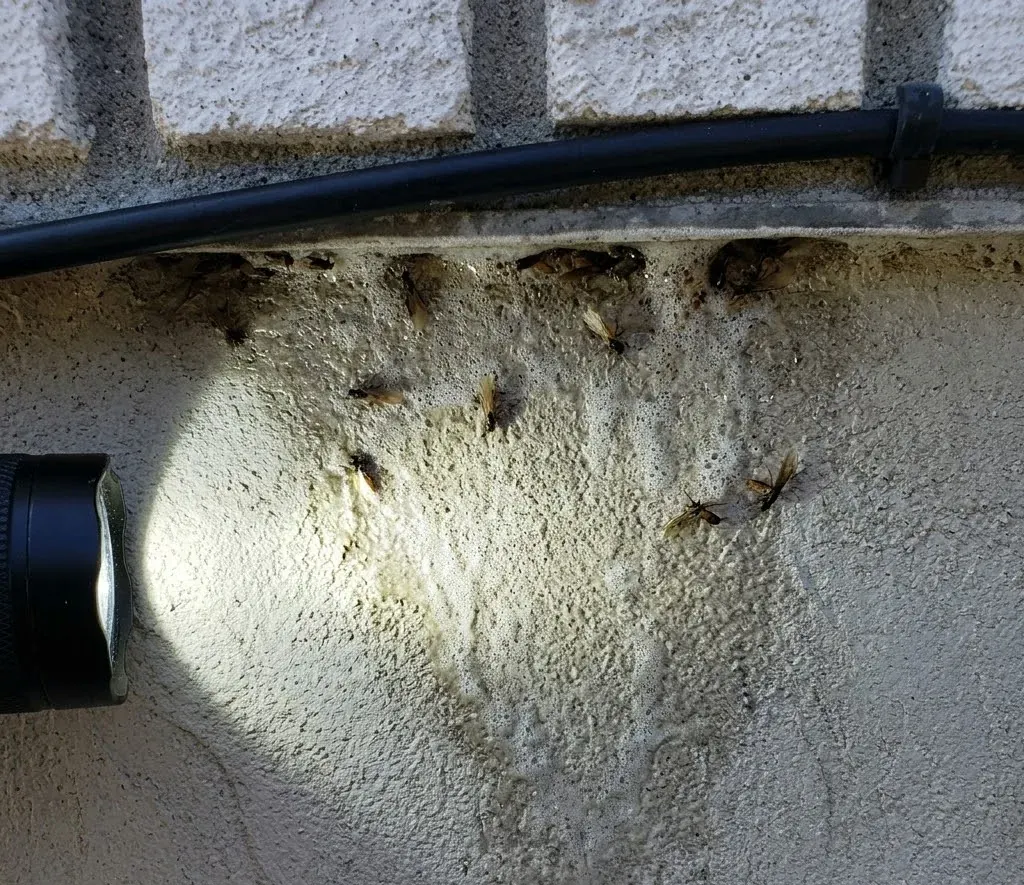
A long swarm season, two very different treatment methods, and three kinds of warranty worth reading closely.
Learn about Termite ControlDistance to standing water usually explains it. Properties near the lake, the creek bottom or a low back corner that holds runoff produce their own mosquitoes, so treatment concentrates on resting places in shrubs and shade plus any container, blocked gutter or low spot holding water on the property. Nobody treats the lake itself, and any company that offers to should be questioned.
Yes, and the entry points are different. Concrete slab resting on soil is one of the most common construction types in North Carolina, and slabs crack or shrink away from the foundation wall, which leaves the bath trap, plumbing outlets and construction joints as routes in. A subterranean termite needs a gap of about one thirty second of an inch.
Longer than most national advice suggests. In North Carolina swarming starts in late winter and carries on into September or October, usually during the day and often on a warm day after rain. If you see winged insects indoors in March or in August, both are normal for this state and both are worth identifying rather than sweeping up.
It is one part. Ground cover stops soil moisture evaporating up into the framing, but drainage, grading, gutter discharge and clearance between wood and soil all feed the same problem. Wood at 20 percent moisture or above is a reportable condition conducive to subterranean termites, so the target is the reading, not the product list.
Yes, overnight, so at two in the morning you get a person rather than a machine. Being about 8 miles south of downtown Fayetteville means routine work still tends to land today or tomorrow. You get a real arrival window at booking, not a message about somebody being on their way.
Say what you have seen and roughly where. The inspection is free, the findings come in writing, and Hope Mills is close enough that routine work usually goes out within a day or two.
Call (855) 563-1479