A health inspector does not particularly want to hear that a pest control company comes every month. They want to see what was found last time, what was done about it, and whether it happened again. That is a document rather than a memory, and building one properly is most of what a commercial pest program is actually for.
What a logged visit contains
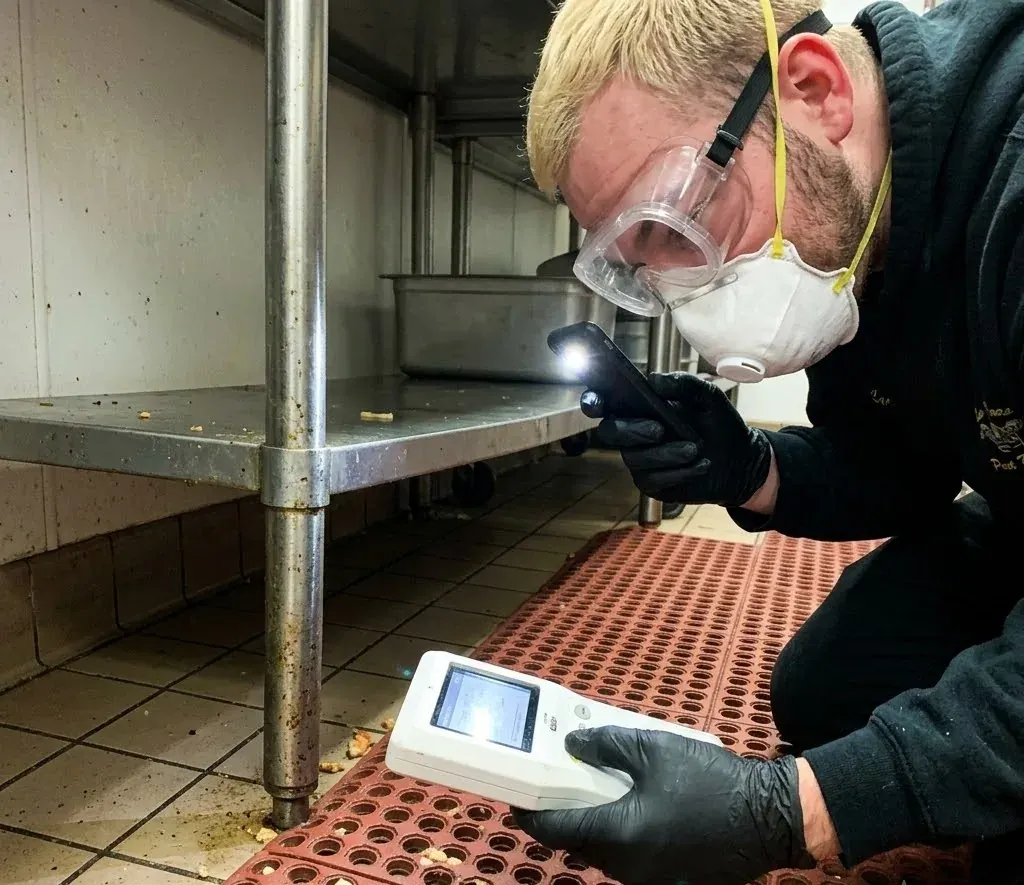
One entry per visit, written on site, not typed up later from recollection. The test is whether it still makes sense to somebody who was not there and did not book it, because in a kitchen that person is usually the one holding it open at the counter.
- Date, arrival and departure time, and who performed the work
- Every device checked, by location, with its condition and anything found in it
- Findings by area, including the areas that were checked and found clear
- Any product used: what it was, where it was applied, and at what rate
- What changed since the last visit, better or worse
- Corrective actions requested of the kitchen, each with a date
- Structural and sanitation issues noted, with a photograph where it helps
- A signature from a member of staff who was present
Why the log exists at all
Three reasons, and only one of them is the inspector. It shows a trend, so three visits with the same finding in the same corner reads as a building problem rather than a pest problem. It survives staff turnover, which is real in this market, since crews move on orders and on seasons and the manager who signed the contract may be two managers ago. And when something does get found during an inspection, the log is what shows the issue was already known and already being worked on.
A log that says all clear every month for two years is not a good log. It is a record of somebody not looking, and an experienced inspector reads it that way.
Here the pressure comes from outside, after rain
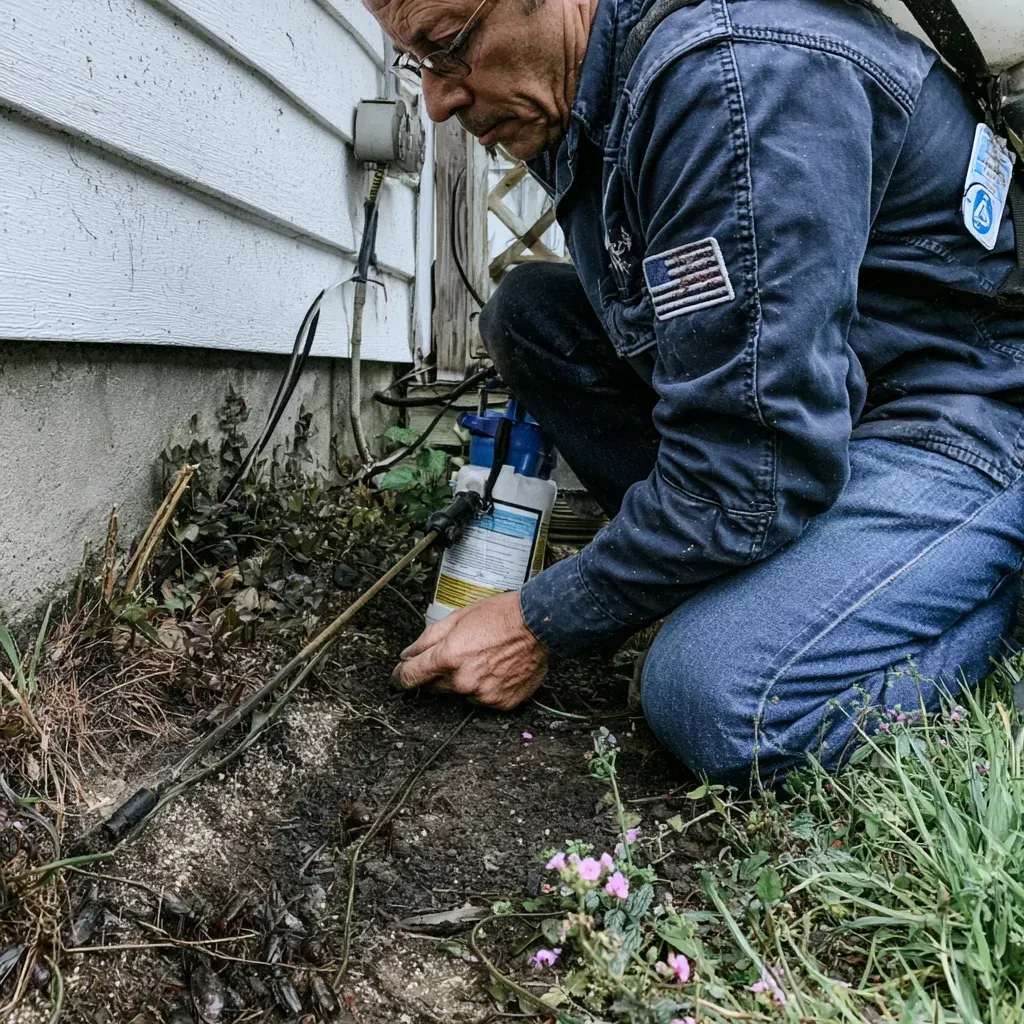
Kitchens get blamed for what the outside of the building lets in. Sandhills soil drains fast at the surface and then holds damp underneath, so heavy rain moves water sideways through the top of the ground and pushes whatever lives in it toward anything at grade. In the days after a storm, interior activity climbs in buildings whose drains, dock line and door bottoms were never sorted out, and no amount of interior spraying changes that pattern.
So a serious program spends its outdoor time on the same short list every single visit, and the log records that list whether anything was found or not.
The exterior list, and how often
Frequencies below are a starting point for a busy kitchen, to be tightened or relaxed by what the log actually shows over a few months.
| Weak point | What to check | How often |
|---|---|---|
| Floor drains | Screen in place, standing water, organic film in the trap | Weekly |
| Grease trap and lid | Lid seal, spillage on the pad, service interval kept | Monthly |
| Bin pad | Standing water, drainage, lids closing, pad washed down | Weekly |
| Dock and roll up door | Seal along the bottom and both jambs, daylight visible inside | Monthly |
| Rear and side doors | Sweep contact, self closer working, door not propped open | Every visit |
| Perimeter at grade | Vegetation, stored pallets, gaps at pipe and conduit penetrations | Monthly |
| Roof and drainage | Ponding, blocked outlets, water shed away from the wall | Quarterly |
Visits timed to closed hours
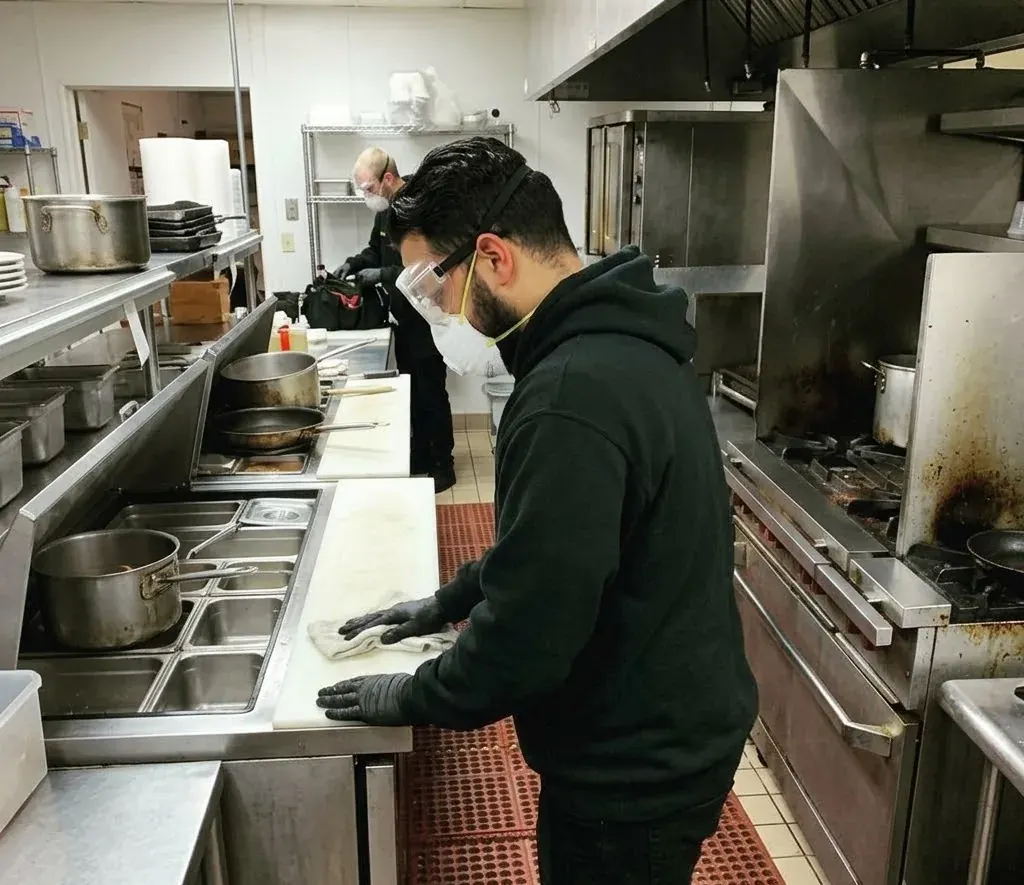
The work gets done properly when nobody is cooking. Equipment can be pulled out, floor drains can be opened, the back of the line can be reached, and product can go where it belongs instead of where it can be reached around a busy service. Late night or early morning matters for a second reason too: it is when roaches and rodents are actually moving, so the inspection finds live activity rather than reading droppings and guessing.
Set the window in the agreement, with a named contact who has keys and alarm codes. A visit that turns up at noon on a Friday is a visit that saw the front half of the kitchen and signed the book anyway.
What to fix before the next visit
Take the items your log has repeated and close them out, because a repeat finding is the one an inspector will ask about. Usually it is a door sweep, a bin pad that holds water, a drain screen that vanished during a deep clean, and cases stored on the floor against a wall. None of those are pest control purchases. They are maintenance, and they do more for the next inspection than an extra service call would.
The licensed local pros we connect you with work with kitchens and food service across Fayetteville and Cumberland County. Before signing anything, ask to see a sample logbook page, and ask who writes the corrective actions and who chases them.
Dealing with this in your home?
We offer free inspections and honest recommendations across Fayetteville and the surrounding towns. Call (855) 563-1479 and we’ll help you sort it out.