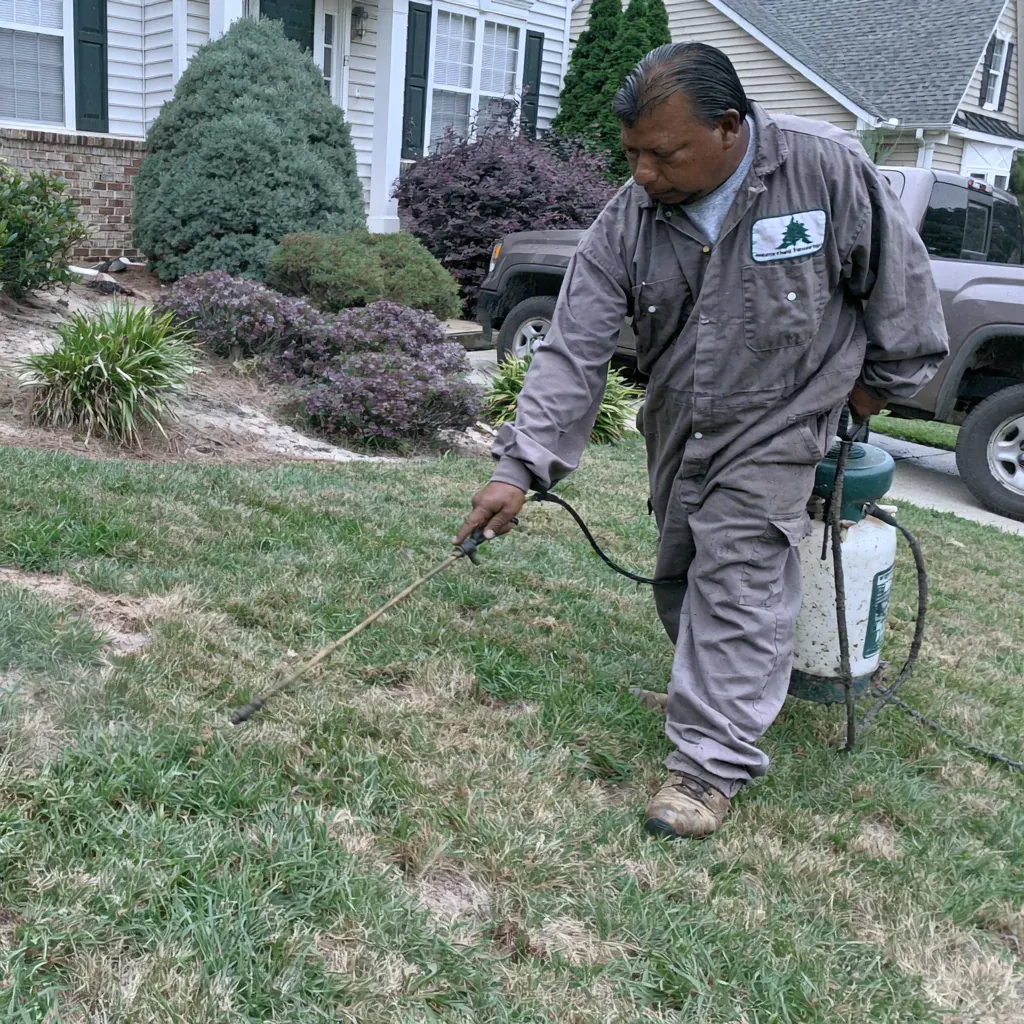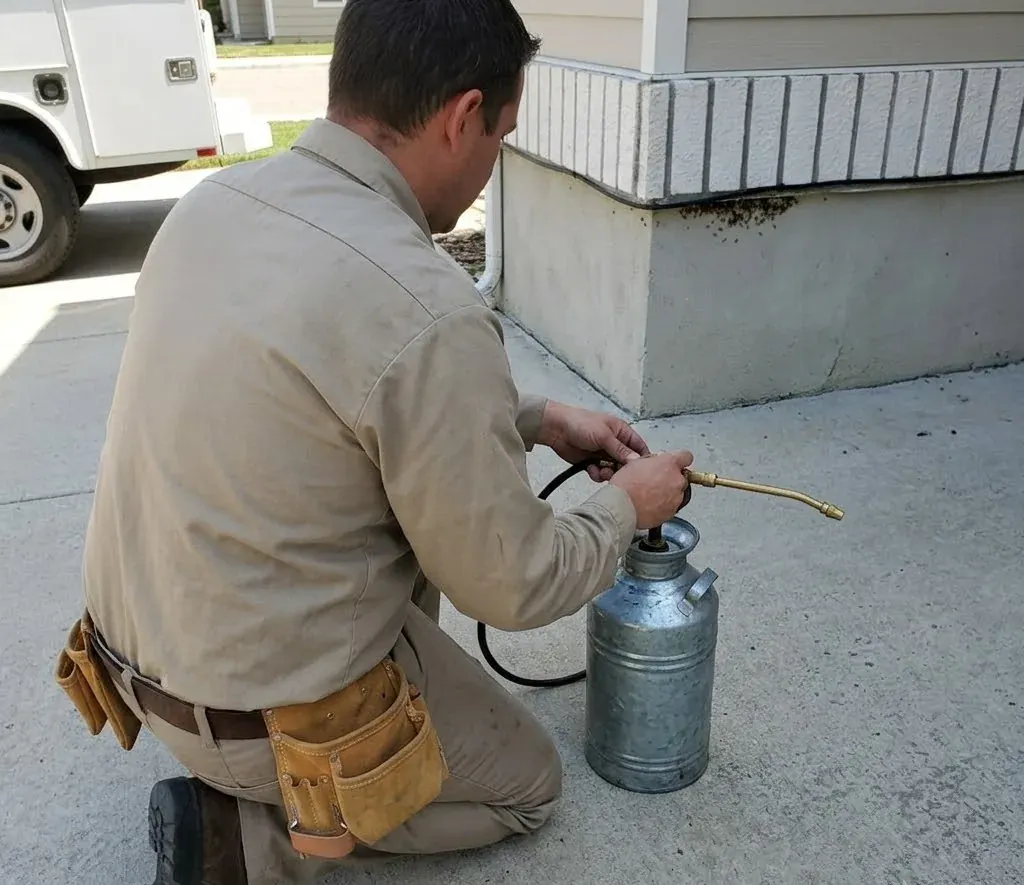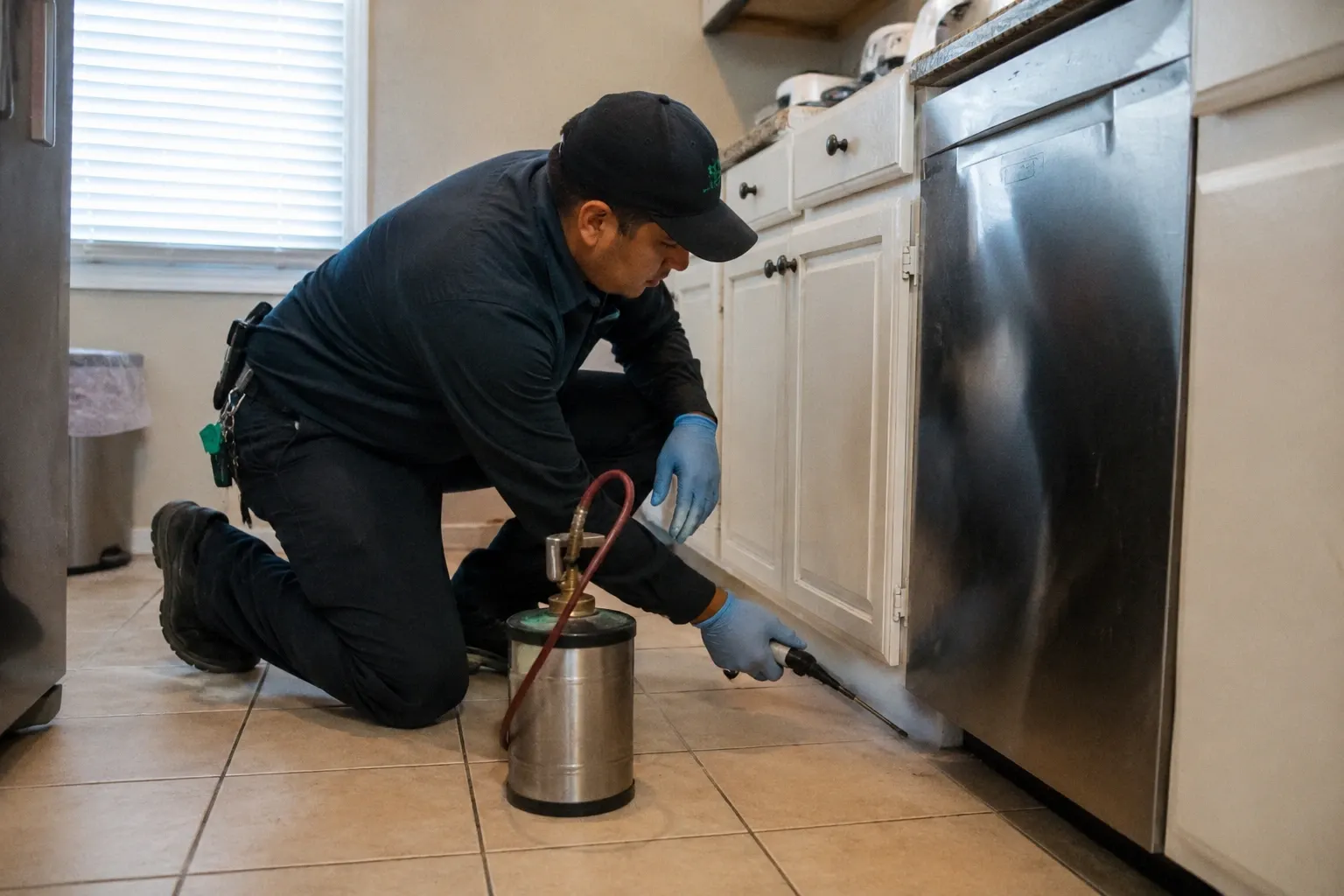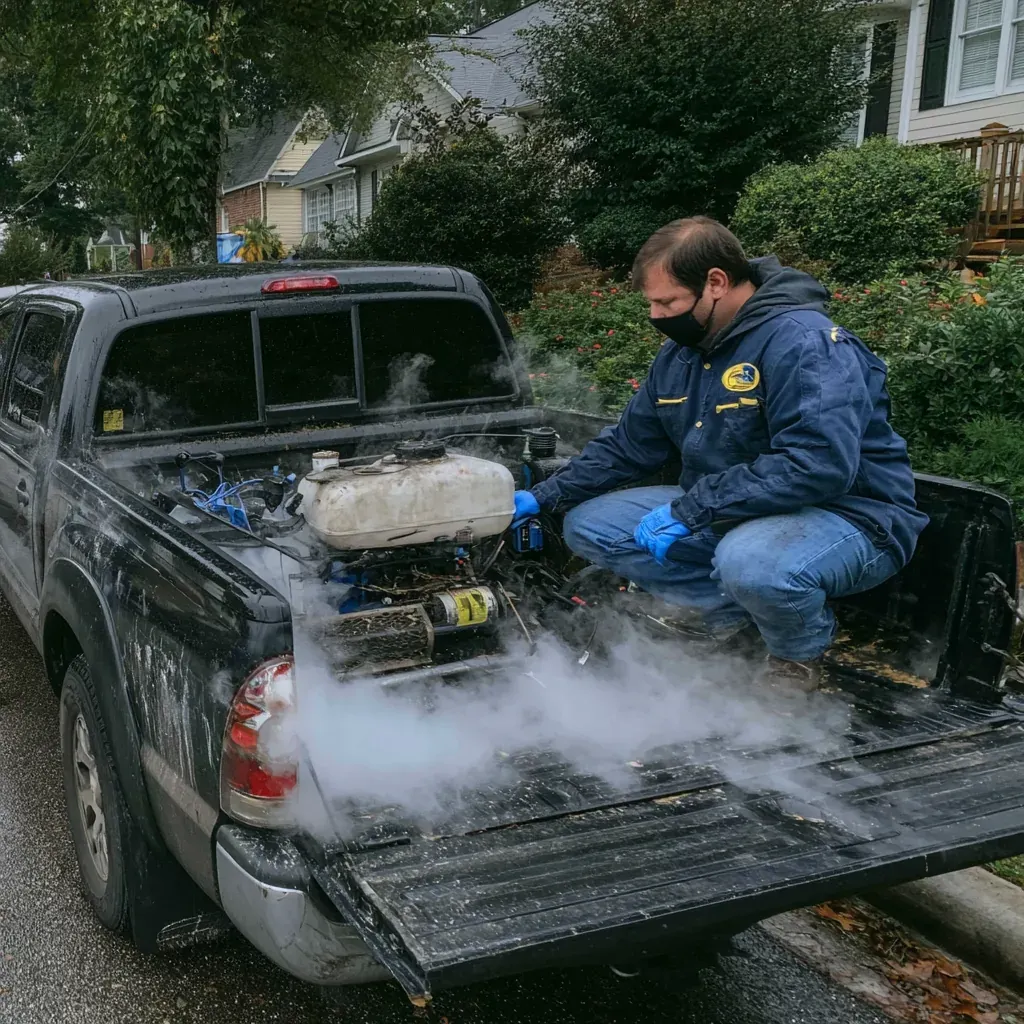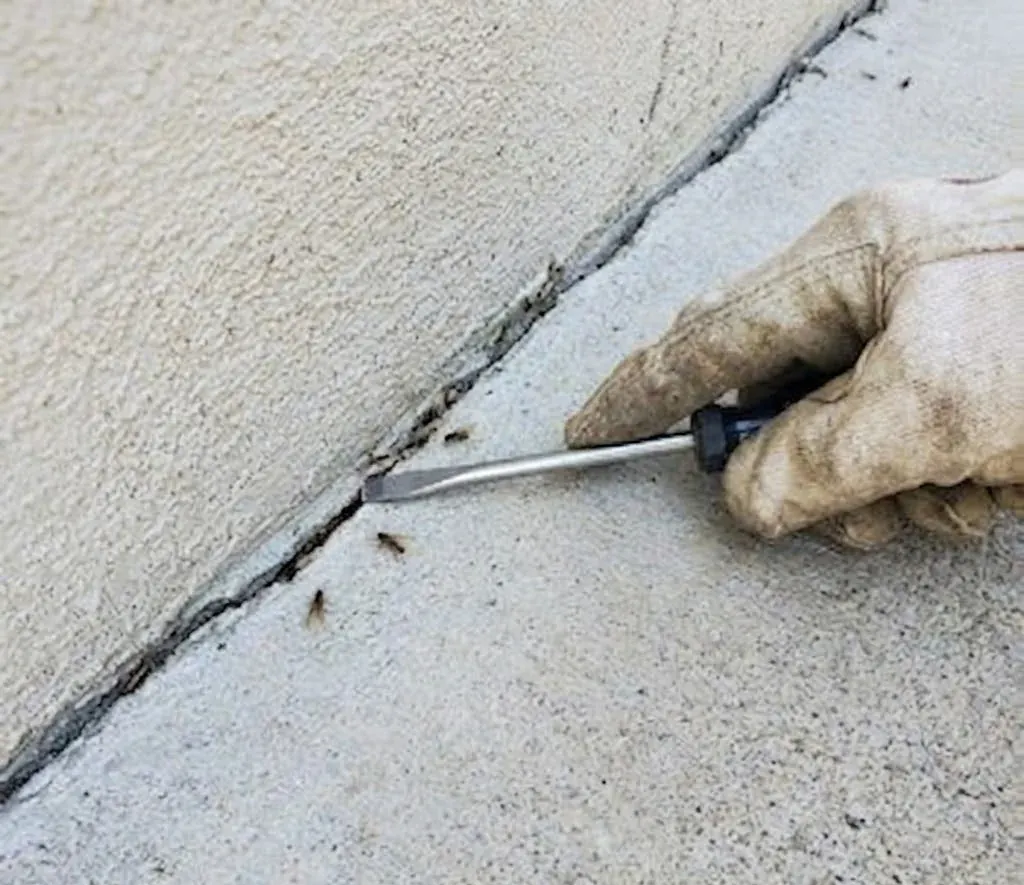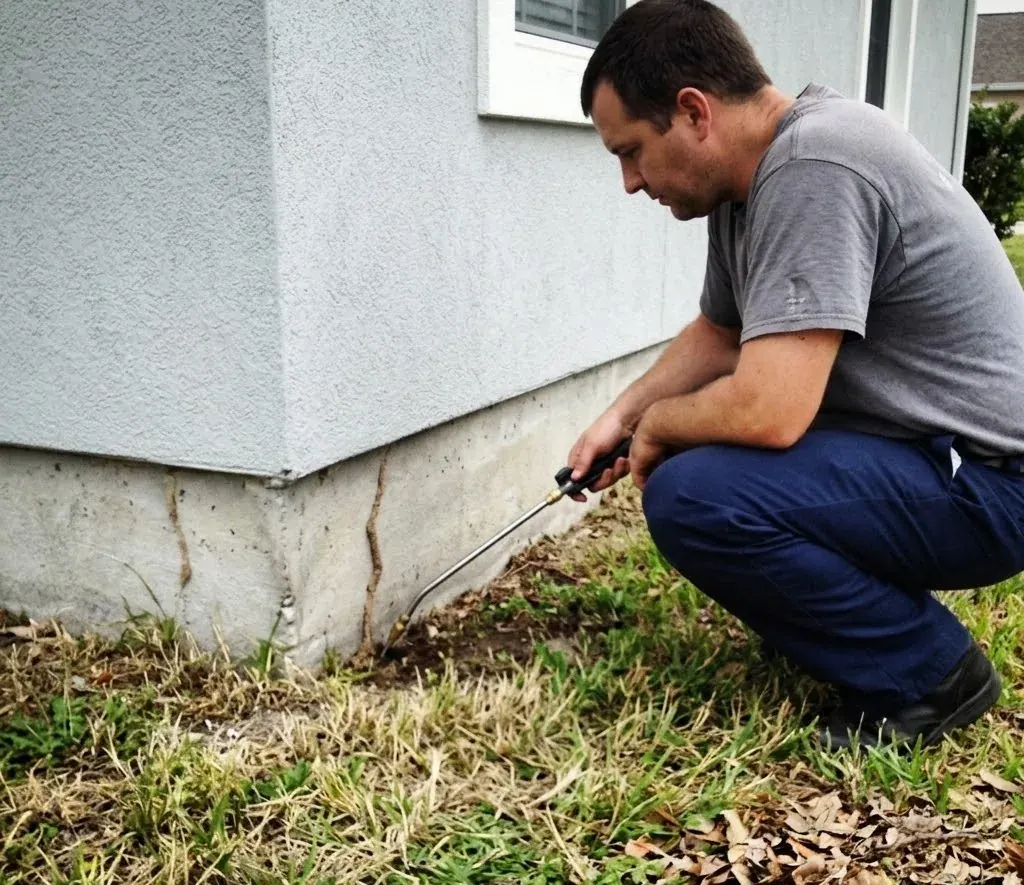
Step off a mowed lawn onto open sandy ground in June and you can usually find three mounds without trying. Fire ants suit the Sandhills. The soil drains, it warms early, and there is no shortage of disturbed open ground between subdivisions, ditch banks and roadside verges across the county. Which is why the most common piece of fire ant advice, drench the mound you can see, produces such disappointing results.
Sand works in their favor
Colonies in loose sandy soil move easily and rebuild fast. A mound is only the visible chimney of a network running wider and deeper than the dome itself, and after a heavy summer storm the whole thing can relocate a short distance and throw up a fresh mound within days. A yard that looked clear on Sunday can look untreated by Friday without a single new colony arriving.
What a mound drench actually does
Pour a liquid treatment into one mound and you kill a portion of the workers and possibly stress the queen. If it does not reach her, the colony's response is to move. That is why people report the mound gone and two new mounds nearby the following week, then conclude the product failed. It did what it does. So did the colony.
Mound treatment is not useless. It is the right tool for a particular mound in a particular place, beside a doorway or a play set, where you need that one gone now. It is simply not a yard program.
Bait first, mound work second
A broadcast bait spread across the treated area gets carried into colonies you cannot see, including young ones that have not built a visible mound yet. It works slowly, over weeks, and that is the point. Follow it with direct treatment of the mounds that matter most and you get both the gradual reduction across the property and the fast result where you need it. Reverse the order and the mound work scatters colonies away from the bait you just put down.
Timing across the year
Baits work best when ants are actively foraging, which around here means warm ground rather than the middle of a dry, baking afternoon. Late spring and early fall tend to give the best pickup. Do not spread bait onto a lawn you are about to water or when a storm is due, since wet bait loses its appeal quickly. Do not mow right before or after either, because you want foragers out and undisturbed.
The fence line you do not control
Here is the honest limit. If the land behind you is unmanaged, or your lot backs onto a ditch bank or a wooded strip, colonies will keep arriving. Treating a yard in Hope Mills or Rockfish does not treat the field beside it. What a program buys is a treated buffer that stays low with maintenance, plus a realistic expectation. Anyone promising a permanently ant free half acre next to open ground is not being straight with you.
Kids, pets and where stings happen
Most stings happen where people are barefoot or kneeling: the play set, the sandbox, the edge of a patio, the base of a mailbox post. Walk those spots weekly in season and look for fresh loose sand rather than a finished dome, since new colonies are easiest to deal with early. Keep children and animals off treated areas for whatever period the product label states. If someone reacts badly to stings, that is a doctor's call and not something to research online.
What a season looks like
Expect a broadcast application, a follow-up look, and mound work as needed, repeated seasonally rather than once and done. Yard treatment in this market often starts around an estimated $120 for a typical suburban lot, a guide figure rather than a quote, and the number moves with how much ground actually needs covering. A quarter acre in Spring Lake and three quarters of an acre out toward Eastover are not the same job.
Dealing with this in your home?
We offer free inspections and honest recommendations across Fayetteville and the surrounding towns. Call (855) 563-1479 and we’ll help you sort it out.