The first thing most people do about a fire ant mound is run the mower over it. It disappears, which feels like progress, and it is back within a few days, often a yard or two from where it was.
That single experience explains most of the frustration with fire ants, and it also explains why treating a yard works and treating a mound generally does not.
Sandy ground is the reason
The Sandhills sits on soil that drains fast and works easily, which suits a colony that lives underground and rebuilds by moving material. Knocking the top off a mound removes the visible part and leaves the colony where it is. Disturbing it repeatedly often just persuades it to relocate a short distance.
So the mounds you can count are not the population. They are the part of the population that happens to have surfaced.
Why a broadcast treatment plus mound work
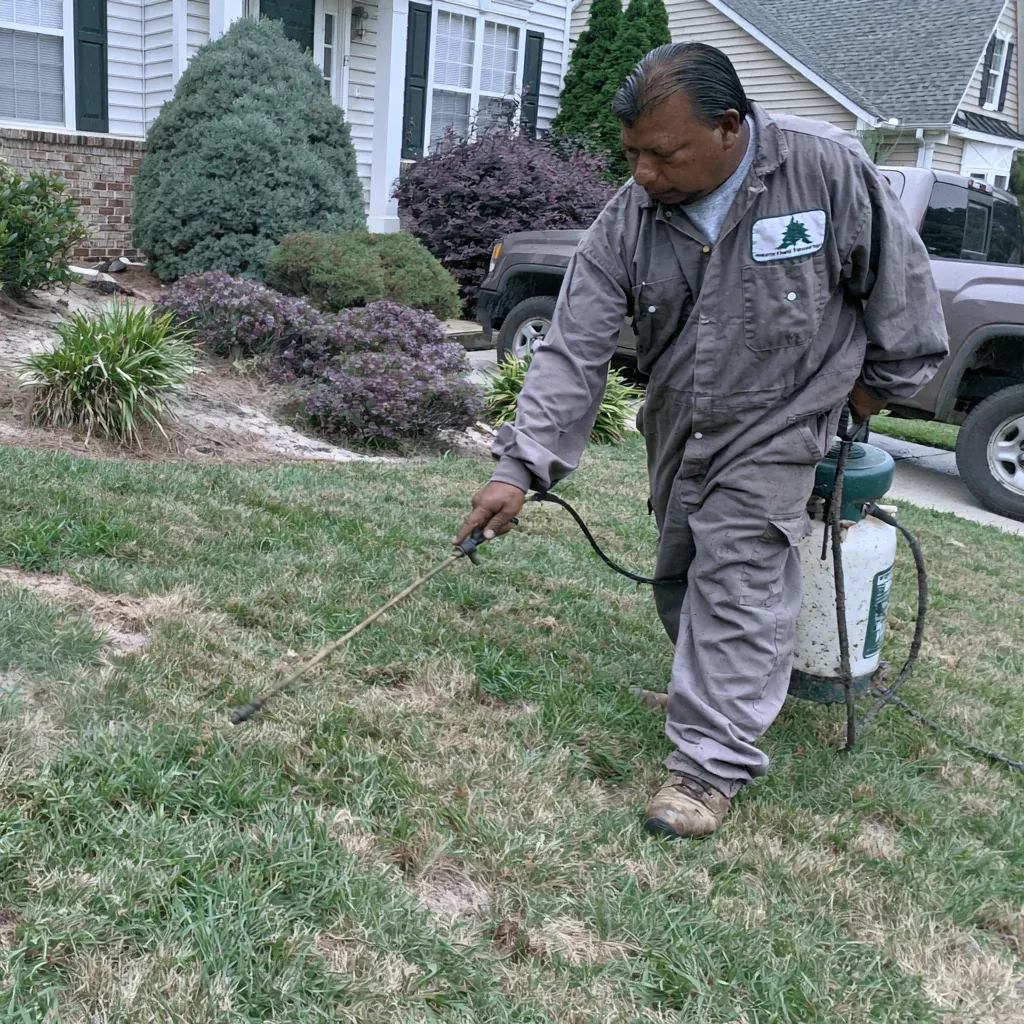
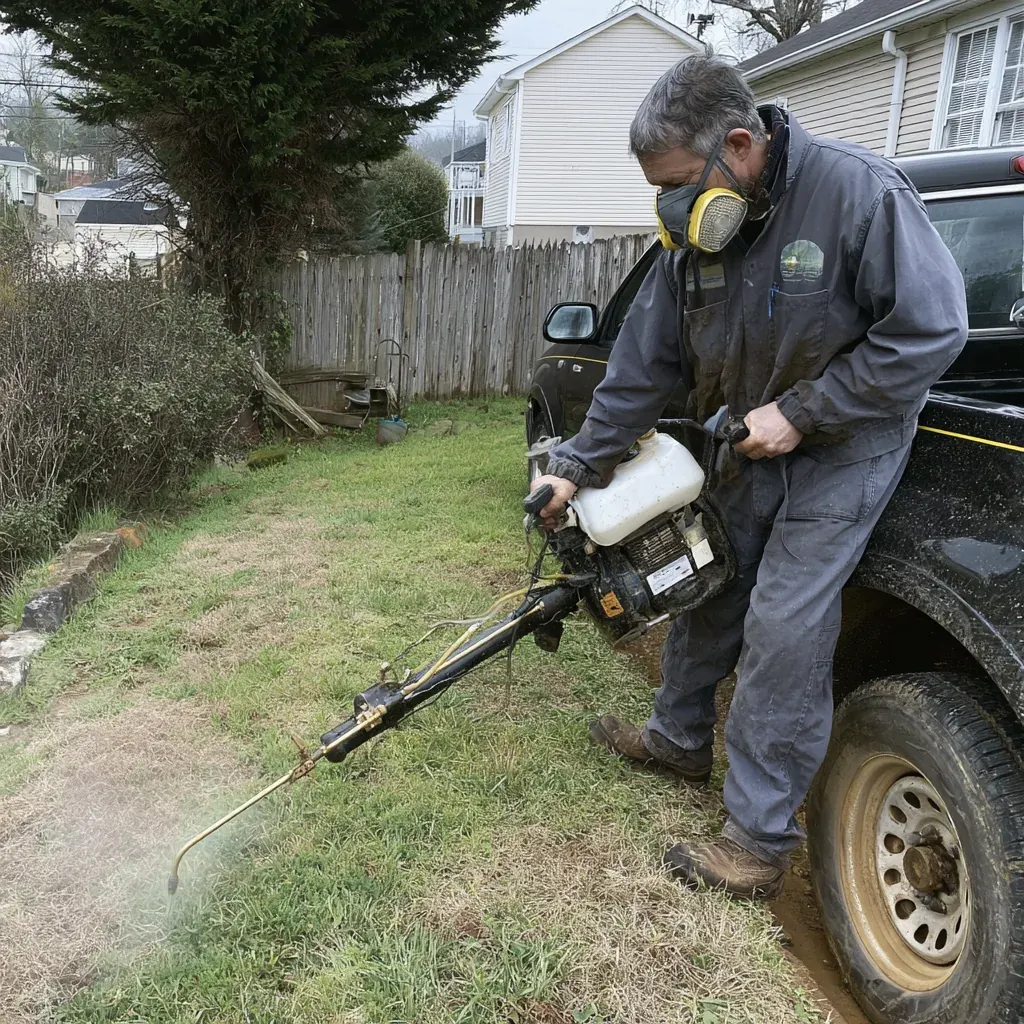
The approach that holds is a bait broadcast across the treated area, so that foragers carry material back to colonies you cannot see, combined with direct work on the mounds that are active. One without the other tends to disappoint.
Yard treatment runs an estimated $89 to $229, priced on the area being covered rather than counted per mound, for exactly the reason above. It is a guide figure rather than a quote, and the visit that produces the real number costs nothing.
Where mounds turn up here
Open sunny ground, so the middle of a lawn, along a fence line, in the strip between a driveway and a bed, in pasture, and around the base of play equipment where the grass is thin. They also favor the disturbed ground along a new path or a recently graded area.
Places worth walking before anybody uses the yard properly: under and around swings and trampolines, the dog's usual route, and anywhere a hose or a toy has been left lying long enough to shade the ground.
Teaching a child what a mound looks like
A fire ant mound has no obvious single entrance hole. It is a dome or a patch of loose, crumbly soil, often slightly domed and looking freshly worked, and it reacts fast when disturbed.
That last part is the useful thing to teach. Anything that erupts when you tread near it gets walked away from rather than investigated. Children learn that quickly if it is framed as a rule about the ground rather than a rule about insects.
If somebody is stung
Move away from the mound first, because stings rarely arrive singly and staying put means more of them. Brush ants off rather than swatting at them. Then wash the area with soap and water and keep it clean.
If there is any sign of a serious reaction, breathing trouble, swelling beyond the sting site, dizziness or a widespread rash, that is an emergency and the number to ring is 911, not ours. If somebody in the household is known to react badly to stings, that is worth a conversation with their own doctor before the summer rather than during it. We do not give medical advice and this is where that boundary sits.
Pets
Dogs get stung on the muzzle and the paws because that is what they investigate with, and a dog that has found a mound once will often go back to the same spot. Cats tend to avoid them.
Products go down as bait and into mound sites rather than being sprayed across the surface a dog lies on, and anything with a re-entry period is written on the ticket before anybody leaves rather than mentioned at the door. If you would rather a particular area was left alone entirely, say so at the start of the visit.
Timing through the year
Activity follows warmth and moisture, so mounds become obvious in spring, get quieter in the hottest driest part of summer when the colony moves deeper, and come back into view after rain. Mounds often appear overnight following a wet spell.
That pattern is why yard work here is a schedule rather than a single visit, and why the honest answer to "is it gone" is that a treated yard stays manageable rather than becoming permanently empty. Anybody promising permanently empty is selling you the next disappointment.
Dealing with this in your home?
We offer free inspections and honest recommendations across Fayetteville and the surrounding towns. Call (855) 563-1479 and we’ll help you sort it out.