The email from your closing attorney asks for a termite letter. No such document exists in this state. What is being requested is the North Carolina Official Wood-Destroying Insect Information Report, Form No. WDIR 100, adopted by the Structural Pest Control Committee, and it is the only form legal for the purpose. It is required on almost every residential structure sold in North Carolina, which means most people meet it exactly once, under time pressure, and never find out what it really says.
Who is allowed to issue one
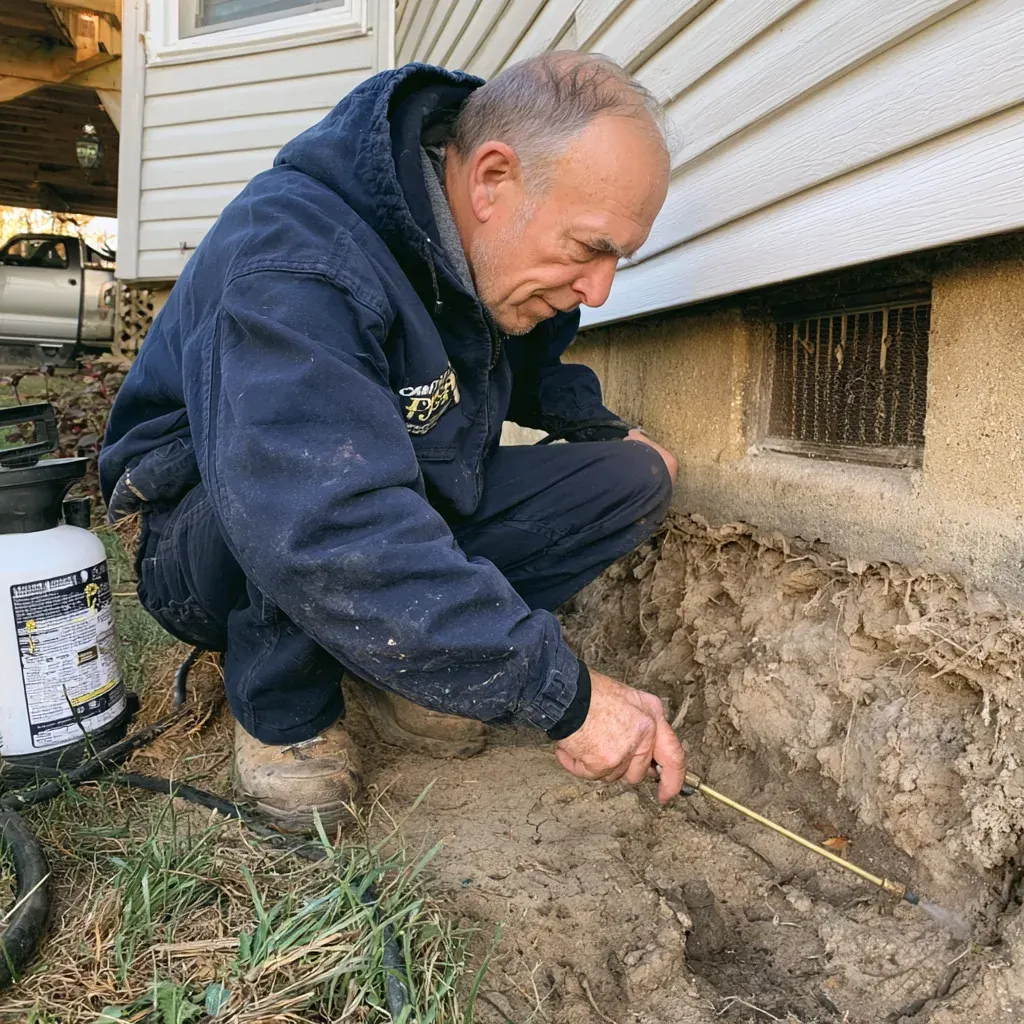
The report has to come from someone licensed by the NCDA&CS Structural Pest Control Division, or from a technician working under that license. A home inspector cannot write it, however thorough their own report is. If the two get confused in your transaction, ask which document your lender wants in the file, because a general home inspection does not stand in for it.
What the inspection actually covers
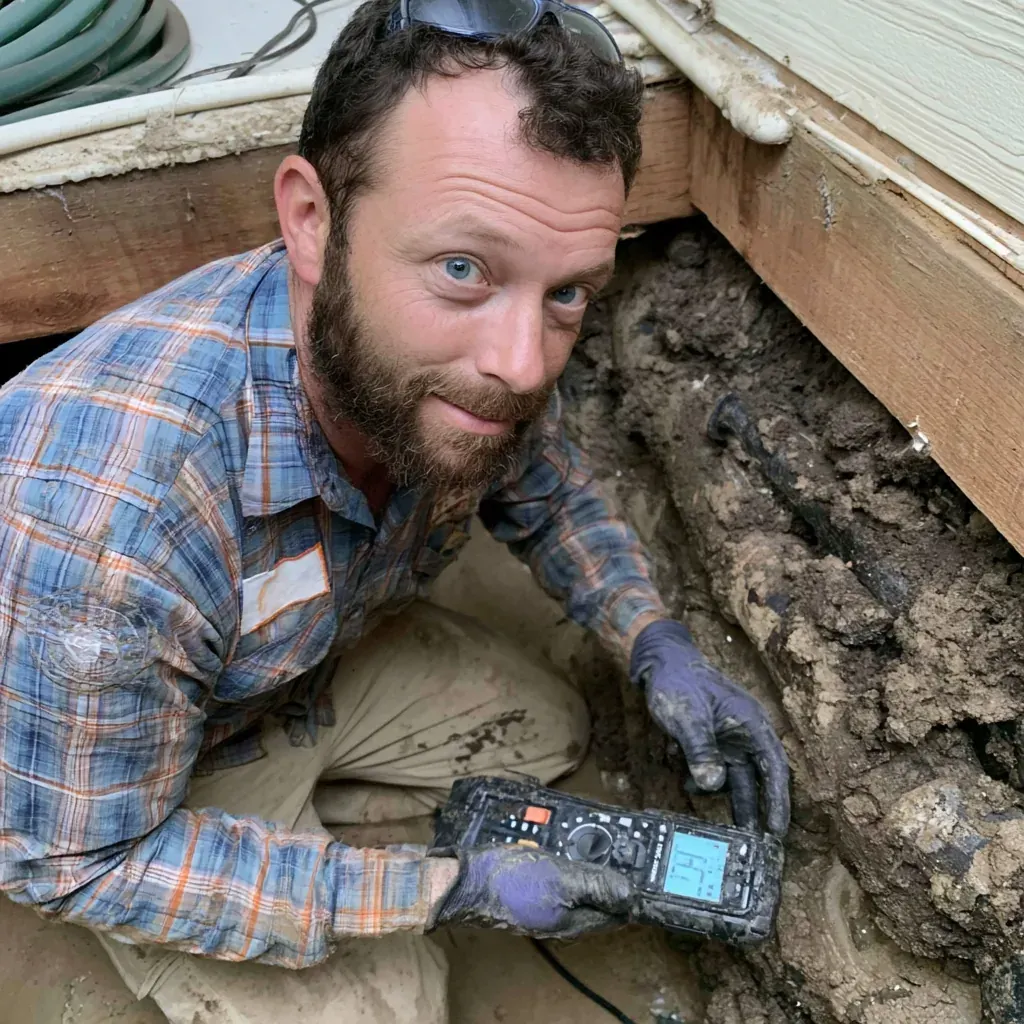
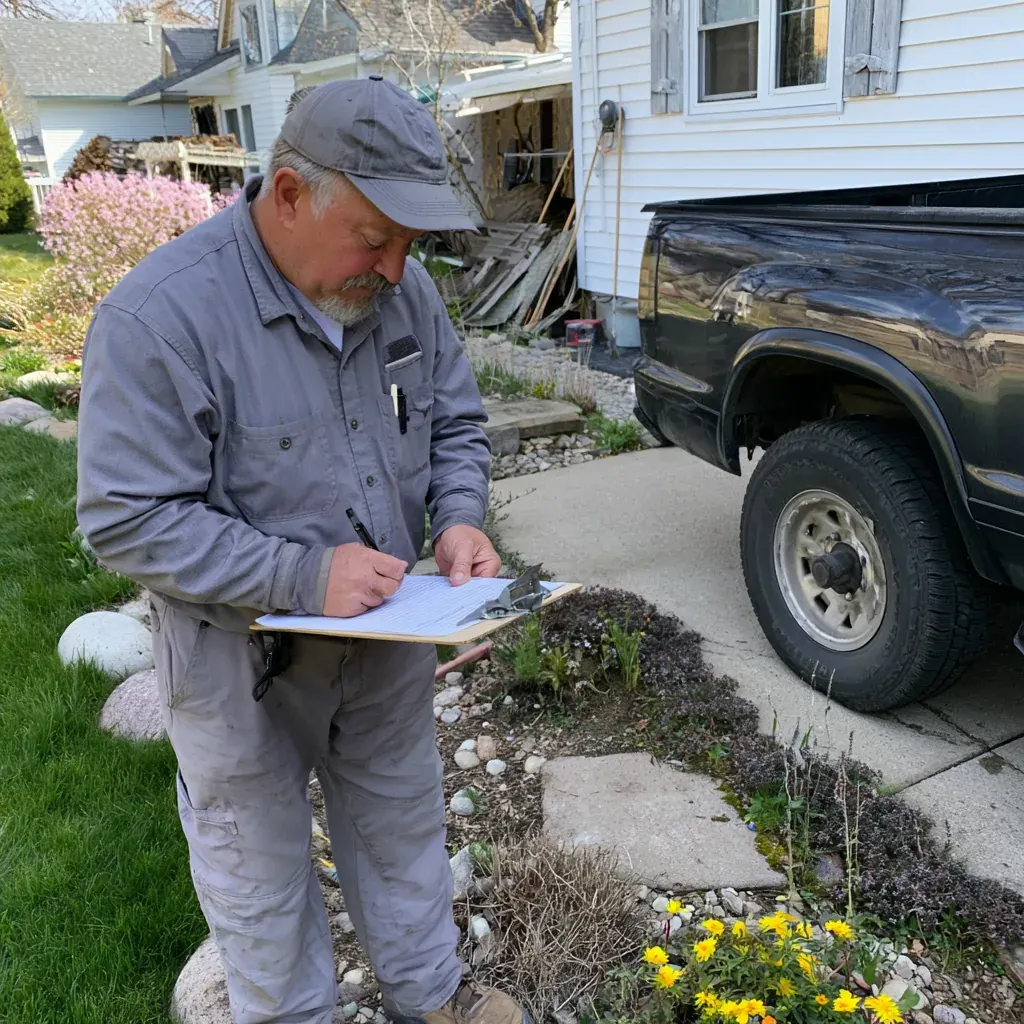
It is a careful visual examination of all accessible areas, plus sounding of accessible structural members next to slab areas in contact with masonry walls and other spots particularly open to attack. Accessible is the word carrying the weight. A crawl space packed with stored boxes, a locked utility room or a finished wall limits what can be seen, and the report will say so.
Permanently attached decks, porches and storage sheds are included. A detached shed at the back of the lot is not routinely inspected unless you ask for it, so ask if it matters to you.
It is not only about termites
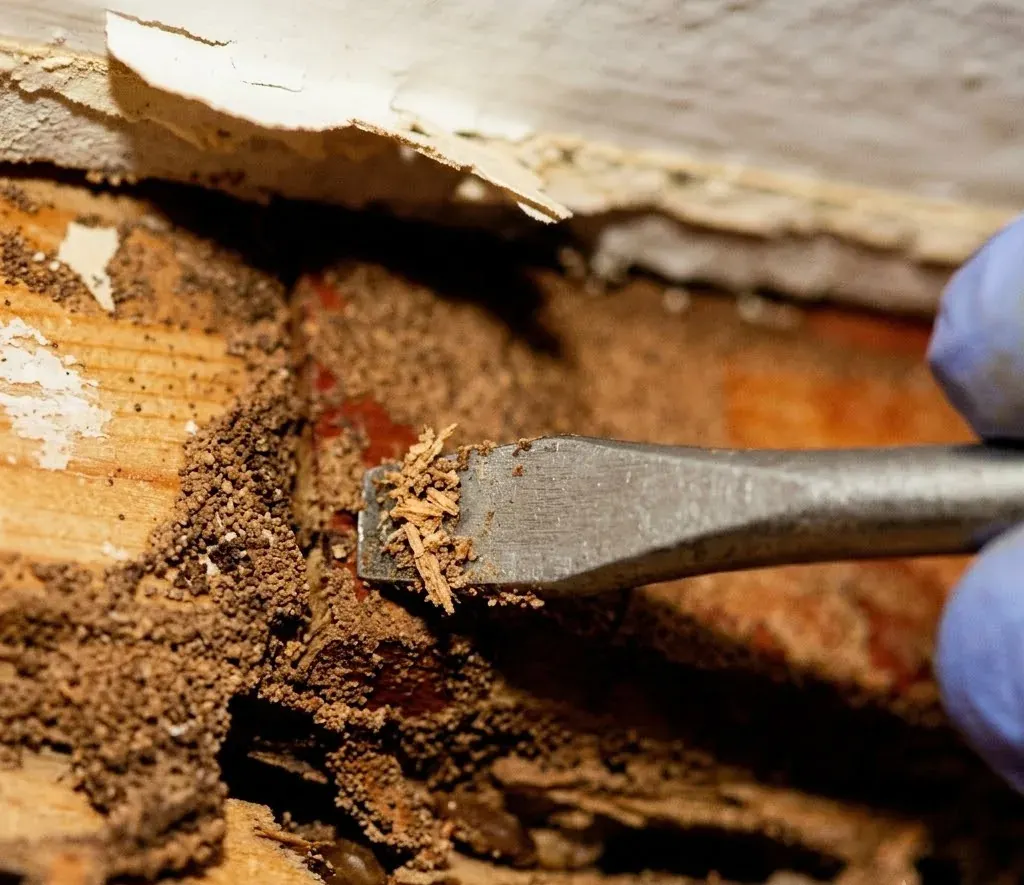
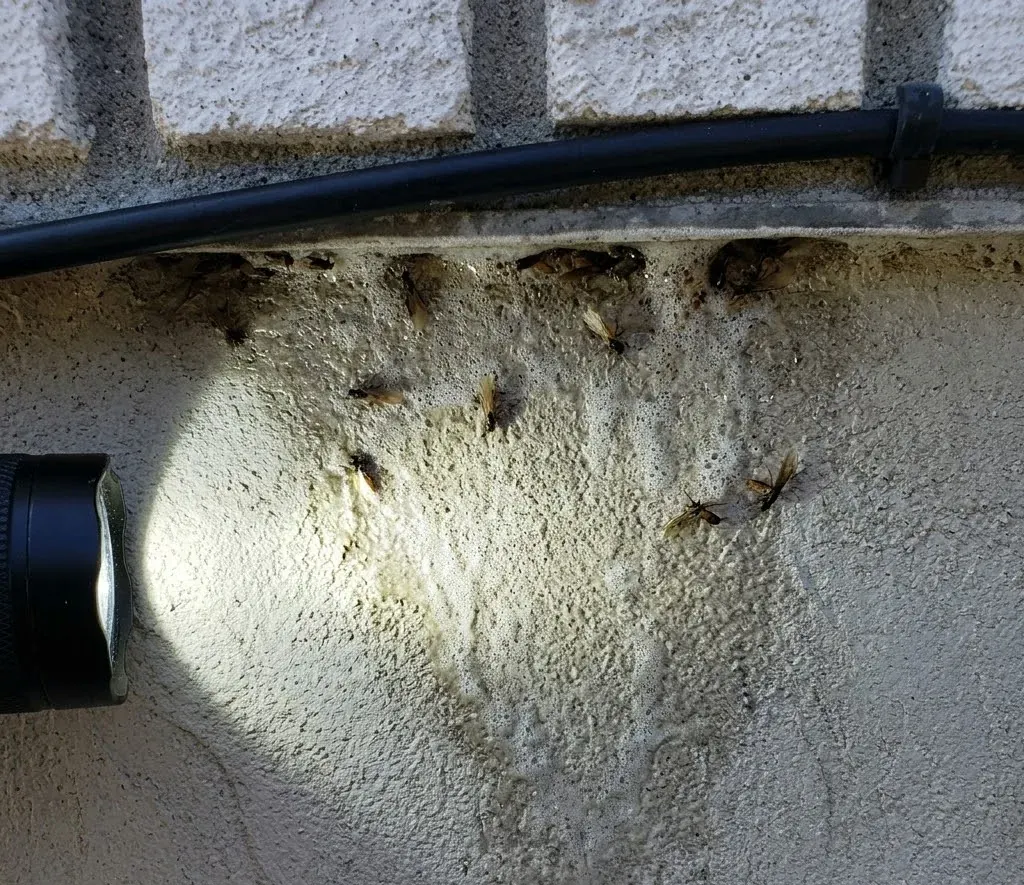
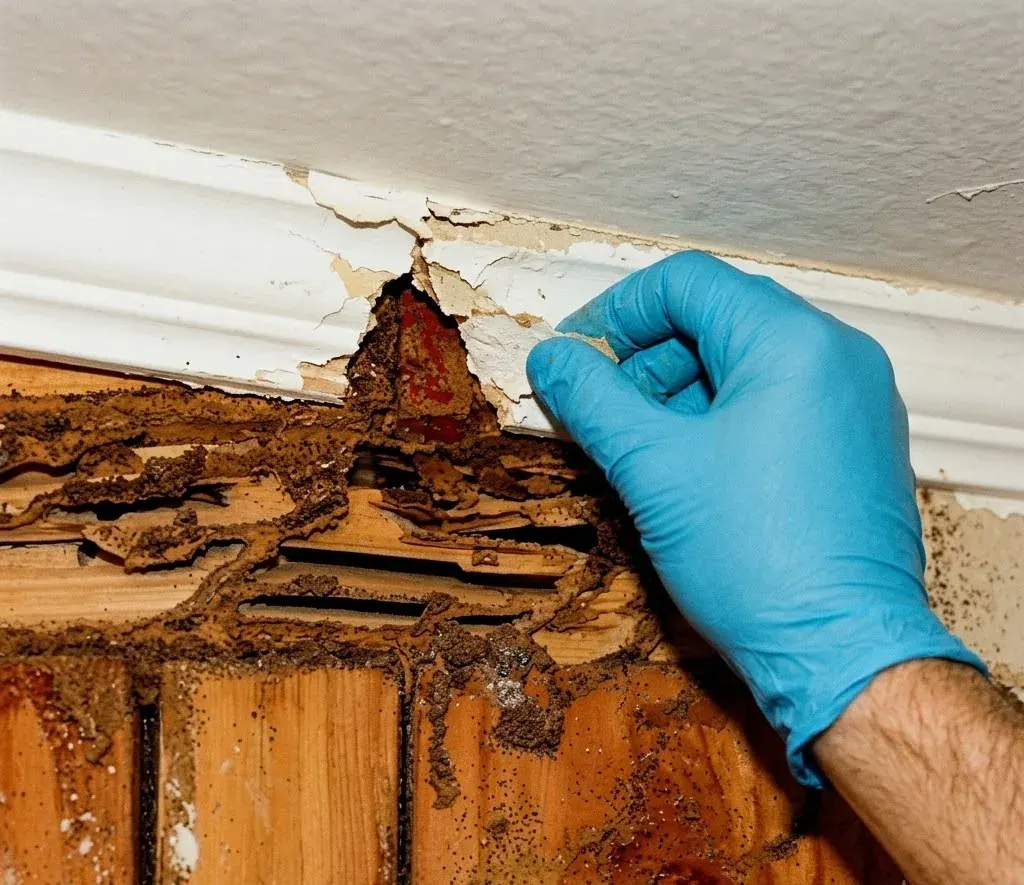
Subterranean termites are the headline, but the report commonly notes powderpost beetles, old house borers and carpenter ants, and sometimes carpenter bees. Evidence means present and past activity visible in, on or under the structure, or in the debris underneath it. A treated infestation from twenty years ago is still evidence and still gets written down.
Conditions conducive get reported, damage does not have to be
This one surprises buyers. Conditions conducive to subterranean termites must be reported, and at a minimum that means wood in direct contact with soil, cellulose debris under the structure, and excessively wet wood, meaning a moisture content of twenty percent or greater. Insufficient clearance between wood and soil, excessive crawl space moisture, construction flaws, improper grading and wood-decay fungi can all appear there too.
Structural damage is a different matter. The WDIR is not a structural damage report, damage is not required to be reported, and the form does not reveal wood-decay fungi damage or wildlife problems. If you need to know what a joist can still carry, that is an engineer or a builder, not this document.
Nobody is clearing anything
It gets called a clearance letter or a termite letter at closing tables across the state and it is neither. It does not clear a structure and it covers more than termites. It is also not a warranty. If treatment is carried out, a copy of the written agreement and warranty has to be attached to the report, and that attachment is the part with any promise in it.
A clear report is not expected and not required to close
This is the most useful fact available on the subject and almost nobody passes it on. NCDA&CS states plainly that most North Carolina homes over ten to fifteen years old will have some evidence of wood-destroying insects. A clear report is not to be sought and is not required to close a sale.
So a note on the form is not a deal breaker and not a reason to panic. What matters is what the evidence is, whether it is active or inactive, and what a written treatment proposal says about it. Pushing an inspector toward a friendlier version is the wrong move in every direction, since issuing a later no evidence report after evidence was found breaks the rules and could be considered fraud.
Timing, and the back of the form
Get the report early in the transaction rather than three days before closing, and read the conditions printed on the reverse, where the limits of the inspection are spelled out. Note also that nothing in the state guidance puts an expiry date on a WDIR-100. If someone in your transaction says it expires, ask them to point at the requirement, because it may be their policy rather than a rule.
The report itself is a modest line item locally, often an estimated $60 to $95, a guide figure rather than a quote. Sellers around Hope Mills or Eastover who would rather avoid surprises can have one done before listing and handle any conducive conditions on their own schedule instead of the buyer's.
Dealing with this in your home?
We offer free inspections and honest recommendations across Fayetteville and the surrounding towns. Call (855) 563-1479 and we’ll help you sort it out.