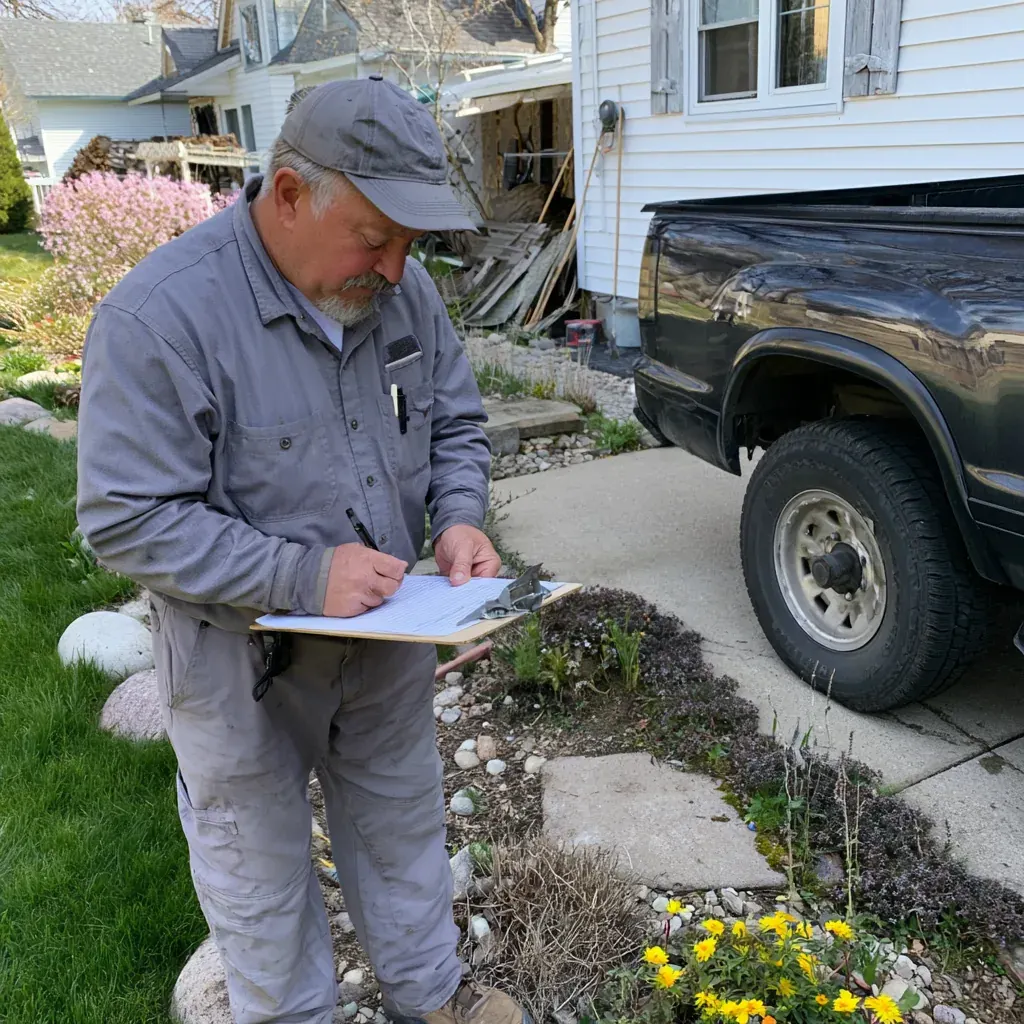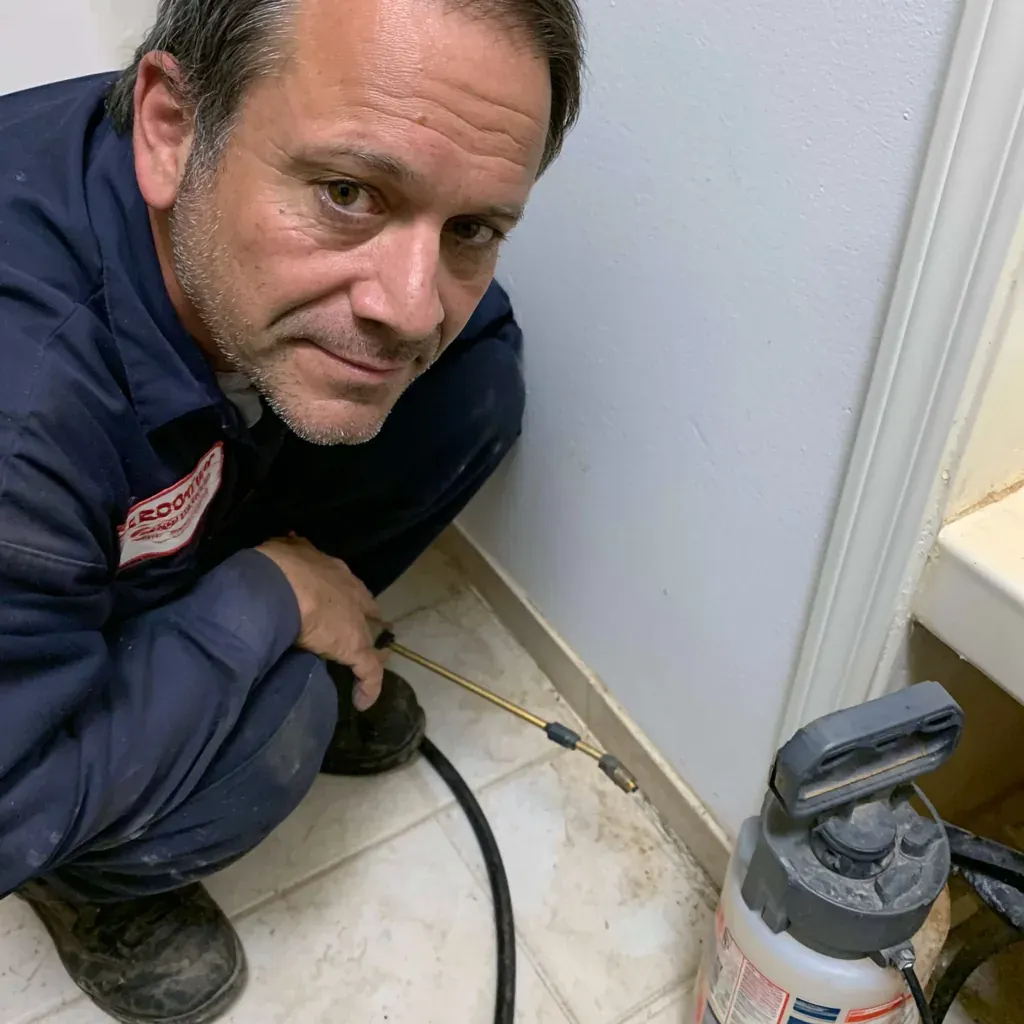
Whether a treatment does what it is supposed to has a lot to do with access, and access is decided before anybody arrives. This is the practical list, written for somebody who has booked a visit and wants to know what is actually expected of them.
None of it is complicated. Most of it is moving things and asking two questions.
Before: clear the edges, not the middle
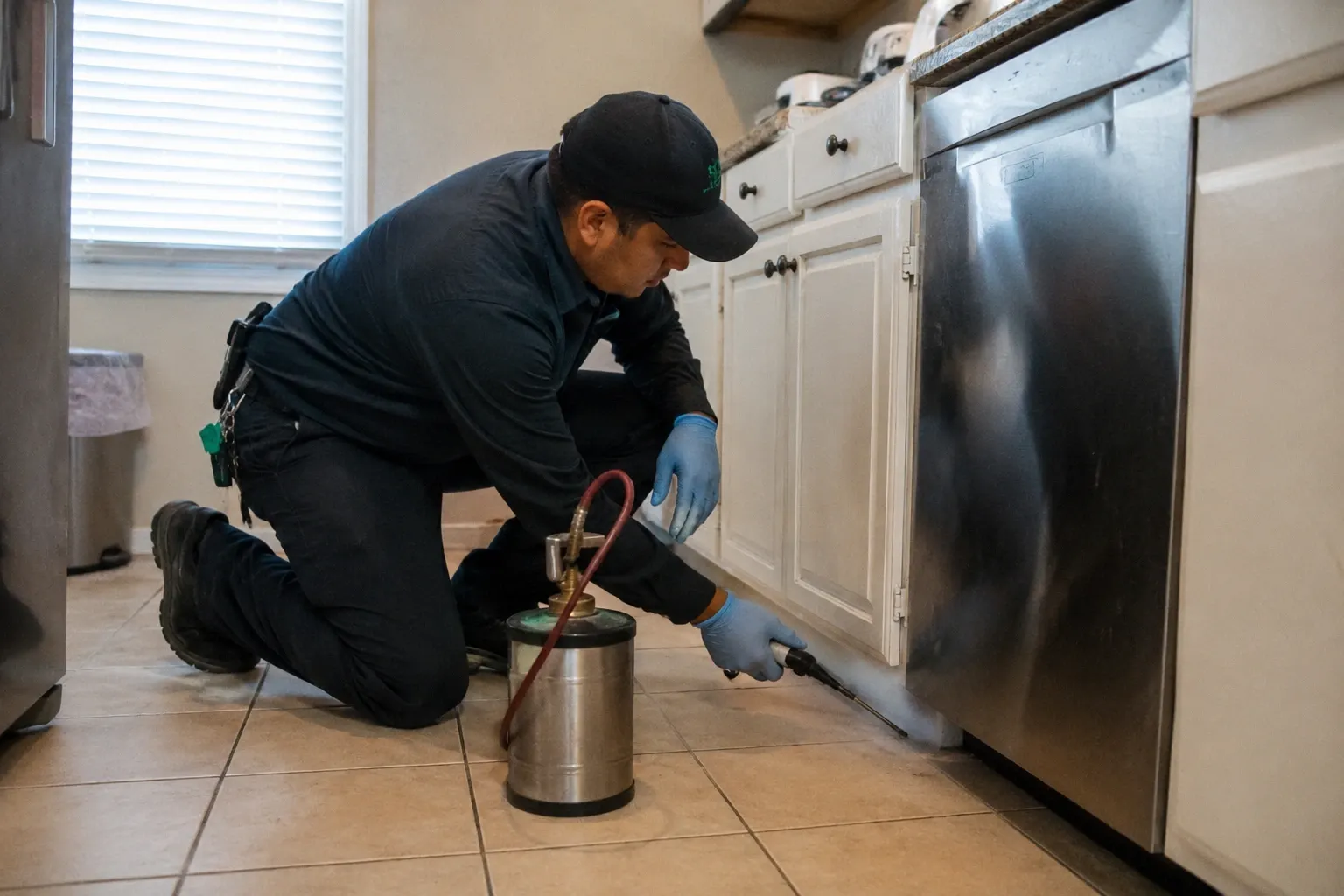
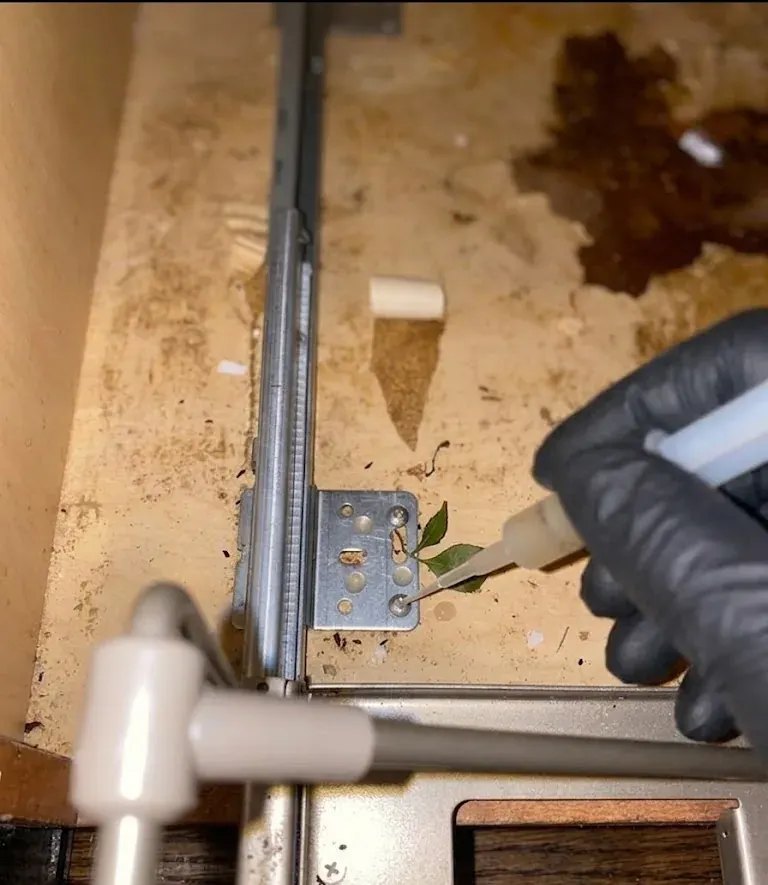
The work happens at the boundaries of rooms and the boundaries of the building, so that is what needs to be reachable. Pull furniture a hand's width off the walls in rooms being treated, clear the toe kick area under kitchen units of stored boxes, and empty the cupboard under the sink if roaches are the reason for the visit.
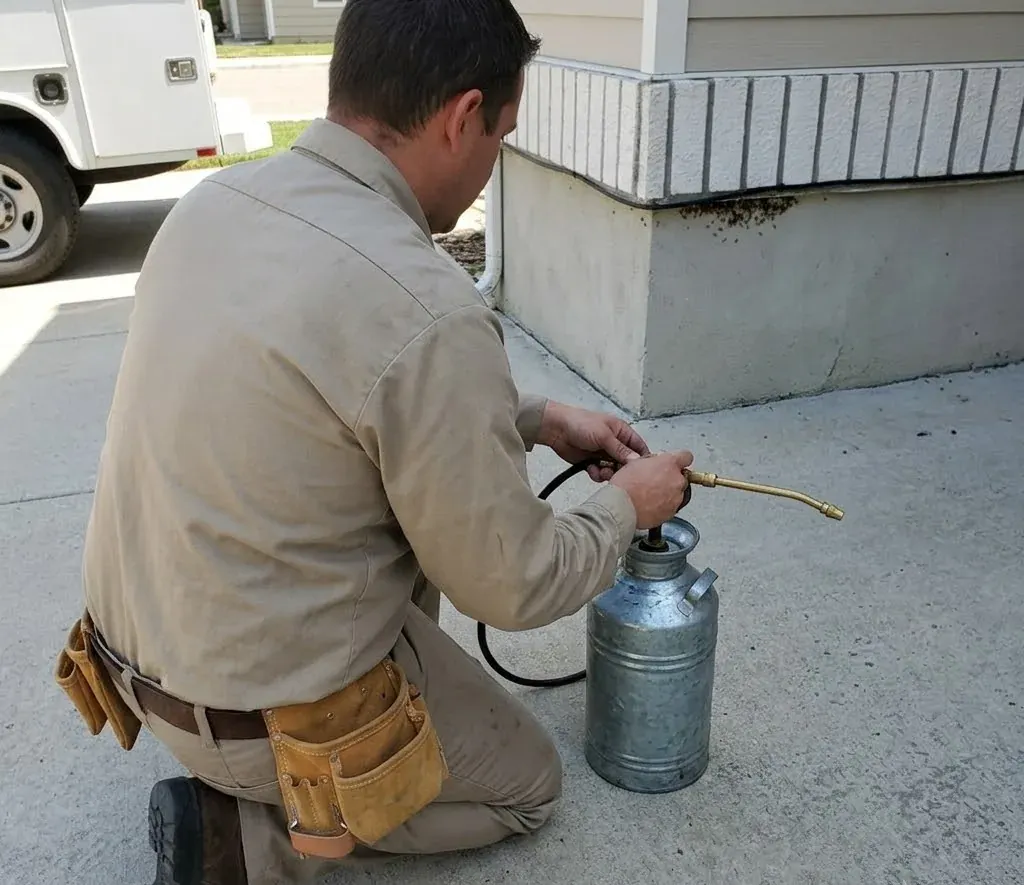
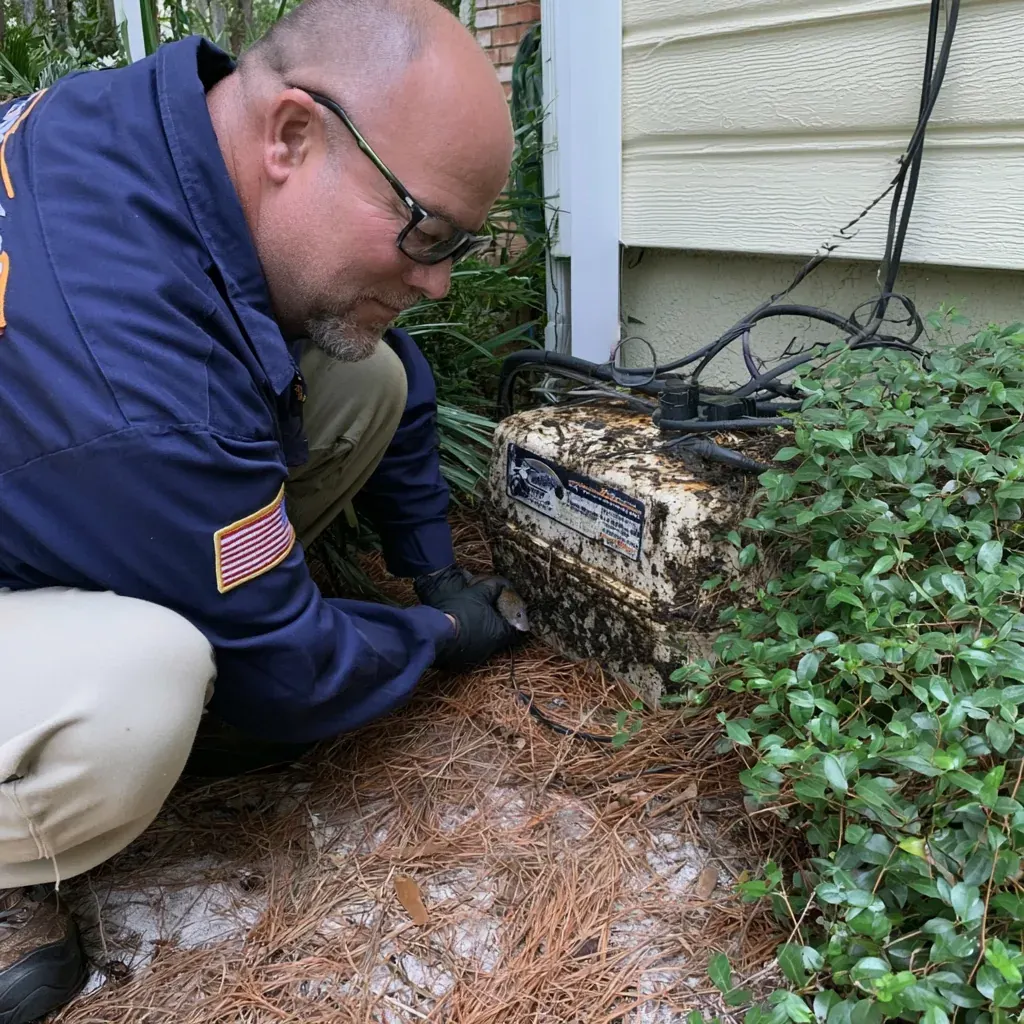
Outside, unlock the gate, make sure the crawl space hatch can be opened, move bins and stored items off the foundation line, and cut back anything planted hard against the wall. Half an hour of that buys you a technician who can actually treat the places that matter instead of describing them.
Before: the two questions worth asking
First, ask what is going down and whether any area needs to be kept clear afterward, and for how long. A straight answer to that is a reasonable expectation, and it should end up written on the ticket rather than said at the door.
Second, if this is termite work, ask to see the written agreement before anything happens. North Carolina requires one and it has to carry the company name with its license number and phase, a foundation diagram marked active or inactive, the location of any visibly damaged timbers, whether re-inspections happen and how often, the conditions for a re-treatment, and the total price.
Before: fish, pets and people
Cover fish tanks and turn off the air pump for the period you are told. Pick up pet bowls, bedding and toys from areas being treated, and put the animals somewhere else in the house or out of it for the visit.
If anybody in the household is pregnant, has asthma or a respiratory condition, or there is a baby in the house, say so when you book rather than on the day. It changes what gets used and where, and it is a normal request rather than an awkward one.
During: you do not have to leave, usually
Most routine exterior and targeted interior work does not require the household to go out. Some interior applications carry a short period where a room is left clear while it dries, which is what the re-entry time on the ticket is for.
Bed bug and heat work is the main exception and it is scheduled differently, so that gets explained when the job is booked rather than being a surprise on the day.
After: do not clean it off
This is the one that undoes the most work. Product placed along a baseboard, in a void or at a threshold is meant to stay there. Mopping skirtings, wiping down the treated line under the units, or pressure washing the foundation band in the days afterward removes it.
Clean floors in the middle of rooms as normal. Leave the edges alone for a couple of weeks. If you need to know exactly where was treated so you can avoid it, ask for that on the ticket too.
After: expect it to look worse for a few days
Seeing more insects than usual in the days after a treatment is normal and is usually a good sign. Product disturbs harborage and pushes things out into the open where you notice them.
German cockroach work in particular takes follow up visits by design, because bait has to be found and carried back. Judge a treatment at the follow up, not on day two. And keep a rough note of what you see and where, because that is what a technician wants at the next visit.
After: what should be on paper
A record of what was found, what was applied and where, any re-entry period, and what happens next. For commercial premises that record is the point of the whole exercise, but a homeowner should get the same thing.
If something reappears between scheduled visits on a rolling plan, that return trip is covered rather than billed. Worth knowing so you actually ring rather than putting up with it until the next date comes round.
Dealing with this in your home?
We offer free inspections and honest recommendations across Fayetteville and the surrounding towns. Call (855) 563-1479 and we’ll help you sort it out.