Nobody can price your house from a web page, and anyone who does is guessing at your expense. What a page can do is explain what actually moves the number in this market, so that two quotes stop looking like two random figures and start looking like two different scopes of work. The ranges below sit a little under what tends to be published locally, and every one of them is a guide figure rather than a quote.
Which pest, first of all
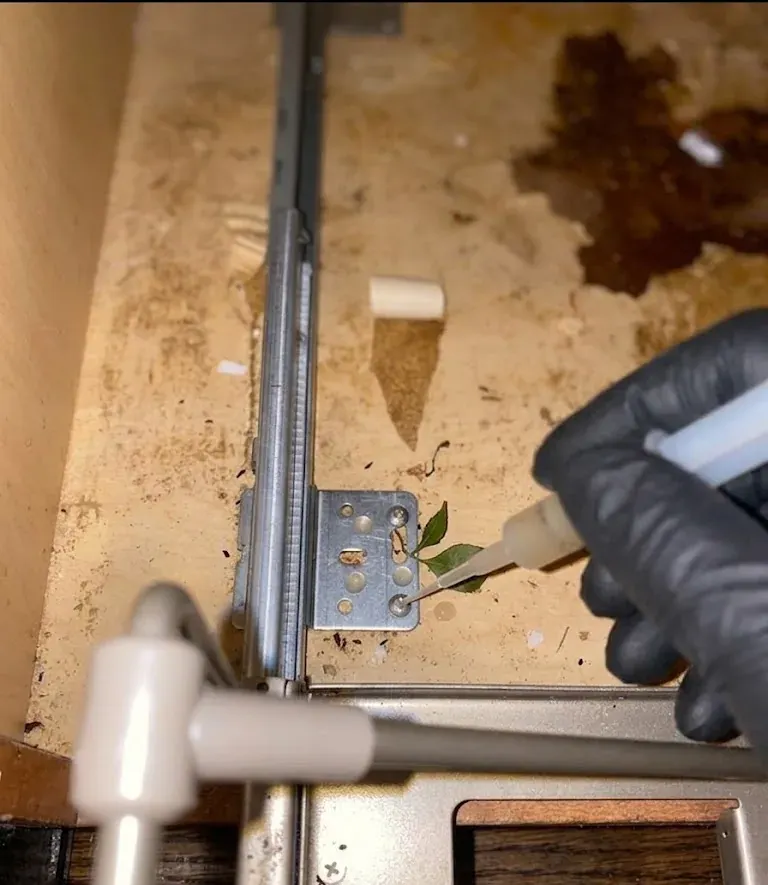
General work for ants, spiders and occasional invaders is the least expensive thing on the list. Termite work is its own category, because it involves soil treatment, measurement of the structure and a written agreement. Bed bugs and German roaches are priced per unit and per visit because they need repeat work. Rodents involve sealing as well as trapping. Wildlife brings regulation and roof work. A single quarterly figure covering all of that would be meaningless.
Slab or crawl space, and how easy it is to reach
Access is the quiet cost driver. An open crawl space with decent headroom is quick. A tight one with ductwork, stored boxes and minimal clearance takes far longer for the same square footage. On a slab, drilling and treating at a bath trap through finished tile is a different job from treating soil along an exterior wall. Two similar looking houses on the same Hope Mills street can price differently on access alone.
How long it has been running
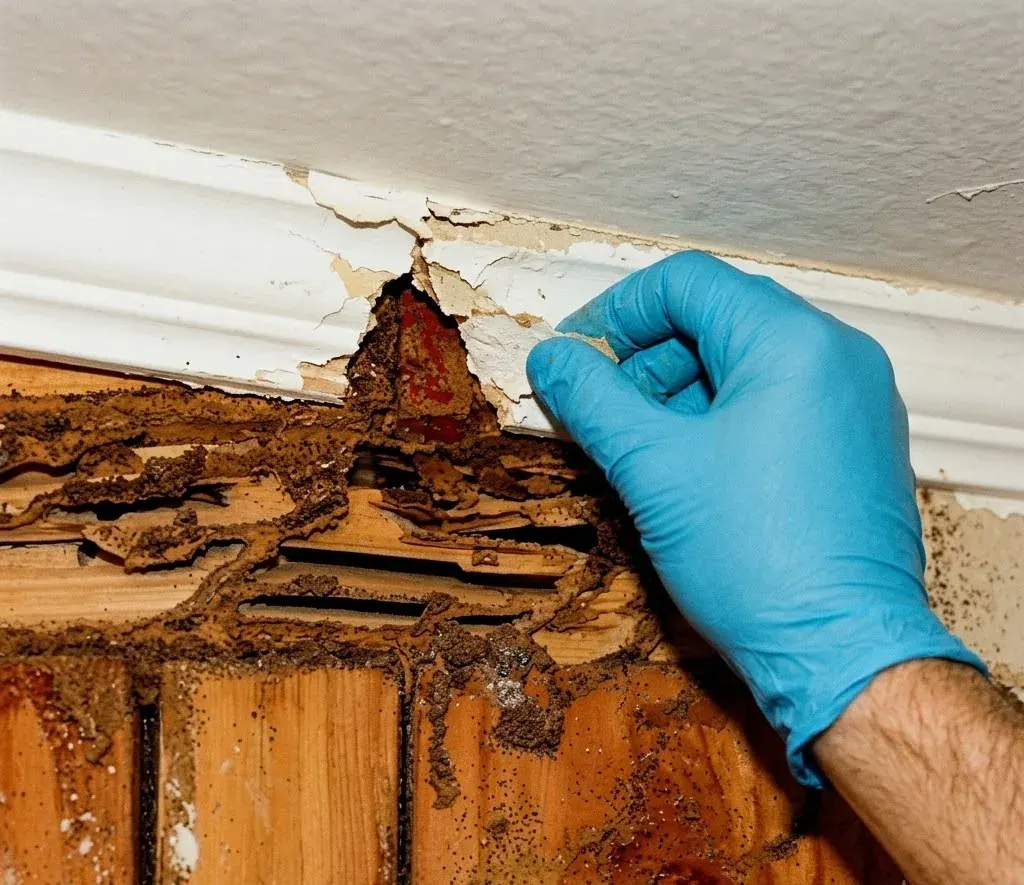
A problem caught in the first few weeks is a smaller job than the same problem left for two years. With termites that is the difference between treatment and treatment plus carpentry, and the carpentry is usually not part of the pest control quote at all. With roaches or bed bugs it is the difference between two visits and a program. This is the one variable a homeowner controls, and it moves the number more than any of the others.
One visit or a plan
A one-off treatment costs more per visit and covers you for less. A maintenance plan spreads the cost and includes re-service between visits, which is where the value sits, since re-entry from outside is constant in this climate. Locally a first general service commonly falls in the region of an estimated $85 to $140, with quarterly maintenance around an estimated $75 to $95 a visit and monthly plans nearer an estimated $45 to $60.
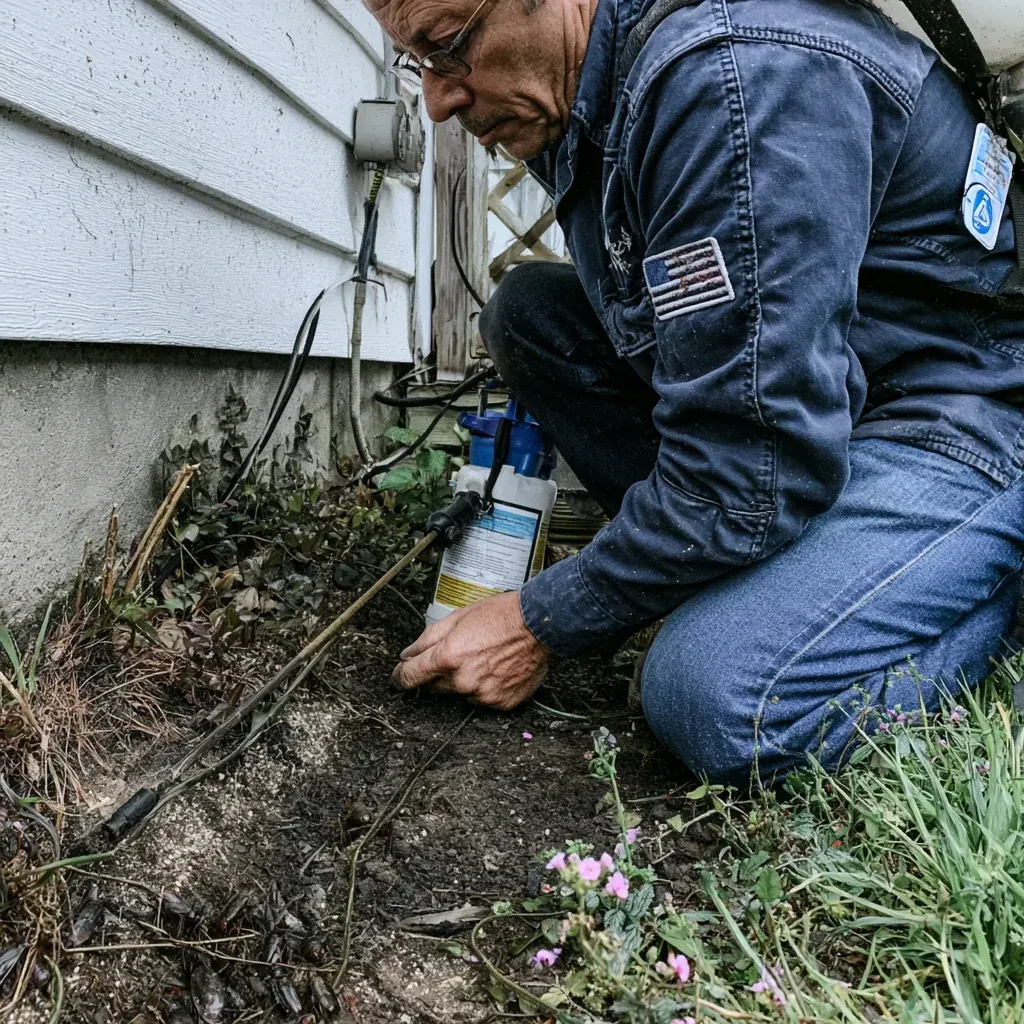
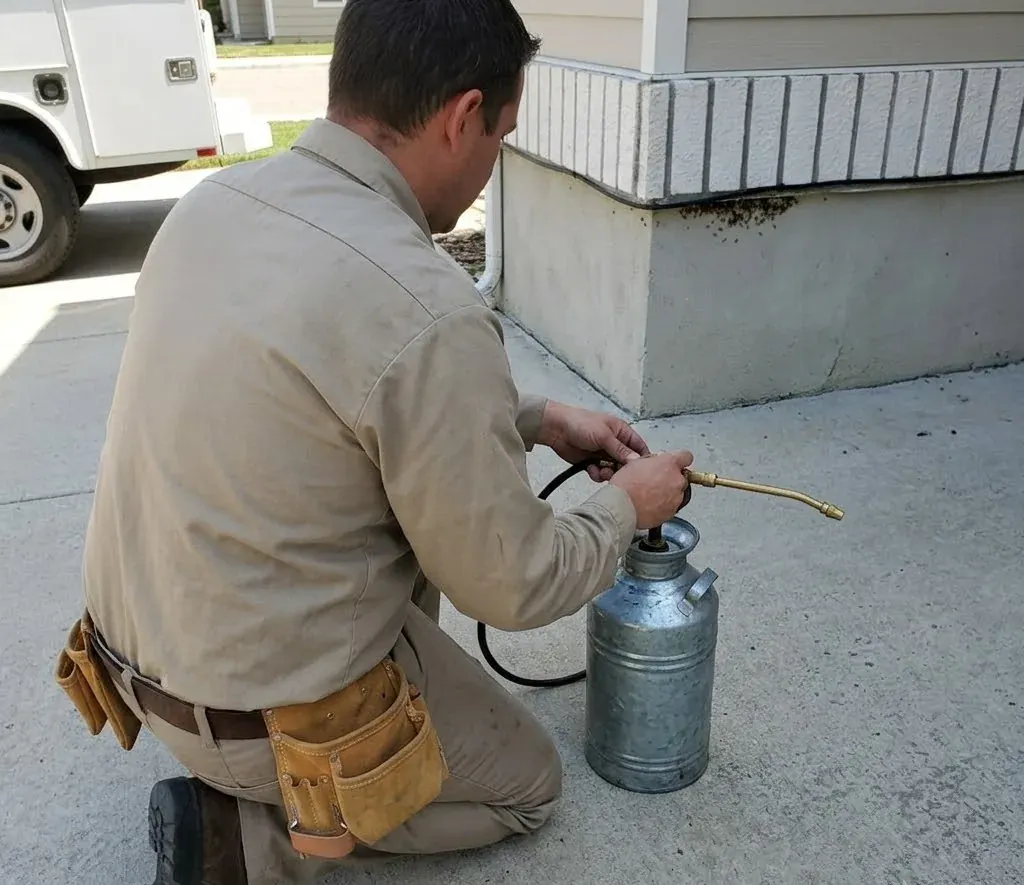
For specific lines: crawl space treatment often starts around an estimated $85, a perimeter band similar, yard and mosquito work from an estimated $120 on a typical suburban lot, and rodent work with follow-up visits in the region of an estimated $130 to $180. A wood-destroying insect report for a sale usually lands around an estimated $60 to $95. All guide figures, and all of them move with the property.
Ask about the first visit charge separately
Plans are often advertised at the recurring price with the initial service priced on its own, and that is not a trick as long as you know about it. Ask three things: what the first visit costs, what a recurring visit costs, and how long the agreement runs. Then ask whether re-service between scheduled visits is included or billed. Two quotes that look thirty dollars apart on the monthly figure can be a couple of hundred apart across the first year.
What tends to be included, and what is extra
Inspection is usually included where it comes with a proposal. Follow-up visits inside a termite or rodent program are usually included. Carpentry, insulation replacement, encapsulation, dehumidifiers, attic cleanup and sanitizing are separate lines almost everywhere, as is anything that amounts to a building repair rather than a treatment. Get that split in writing so the invoice matches the conversation you had in the driveway.
Why the cheapest quote often is not
A number well below the others usually means a smaller scope: fewer visits, no re-service, nothing in writing, or a re-treatment only clause where the other quote included damage repair up to a stated amount. Ask what has been left out rather than assuming someone is being generous. For termite work in particular, a proposal that skips the foundation diagram is cheaper to produce and worth less to hold.
Dealing with this in your home?
We offer free inspections and honest recommendations across Fayetteville and the surrounding towns. Call (855) 563-1479 and we’ll help you sort it out.