There is a real winter here, unlike further south, and it does genuinely quieten things down. Mosquito pressure drops away, fire ant mounds go deep and stop being obvious, and the yard stops being the problem.
What it does not do is stop. Three things get busier in the cold rather than quieter, and the last of them is the reason February catches people out every single year.
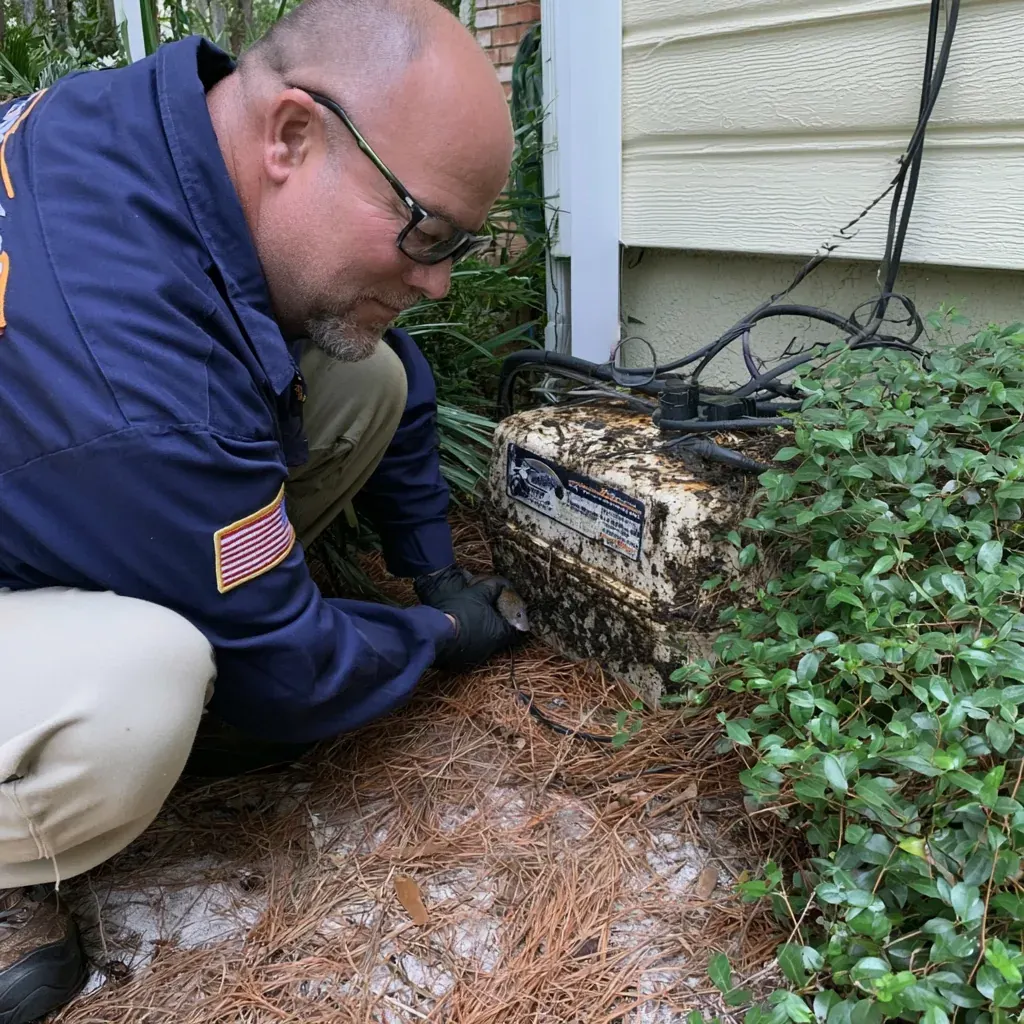
Rodents move in, because you are the warm dry option
The first cold snap changes what a mouse or a Norway rat is looking for. Food is still outside; warmth and a dry nest are not. So the calls shift from the yard to the building, and the entry points that mattered all along suddenly get used.
A gap the width of a pencil is enough for a mouse. The places worth checking are where pipes and cables pass through a wall, the crawl space door, torn vent screens, the gap under a garage door, and the point where a dryer vent goes out. This is the season where sealing is worth more than trapping, because trapping empties a space and leaves the route open for the next one.
Camel crickets take over the crawl space
Cool damp weather suits camel crickets, and a crawl space that stays humid is where they end up in numbers. They do not bite and they do not damage the structure, and they still generate a lot of calls because opening a hatch onto dozens of them is genuinely unpleasant.
They are also a decent indicator. A crawl space with a camel cricket population is a crawl space with a moisture problem, and moisture is the thing that matters. Deal with the ground cover and the ventilation and the crickets become a footnote.
Firewood becomes a delivery service
The third winter change is entirely self inflicted. Wood carried in from a stack outside brings whatever is living in it into a warm room, where it wakes up. Carpenter ants, beetles and spiders arriving indoors in January are usually passengers rather than residents.
Bring in what you are burning that evening rather than a week's worth, and keep the stack off the ground and away from the wall.
And then late winter, which is not spring
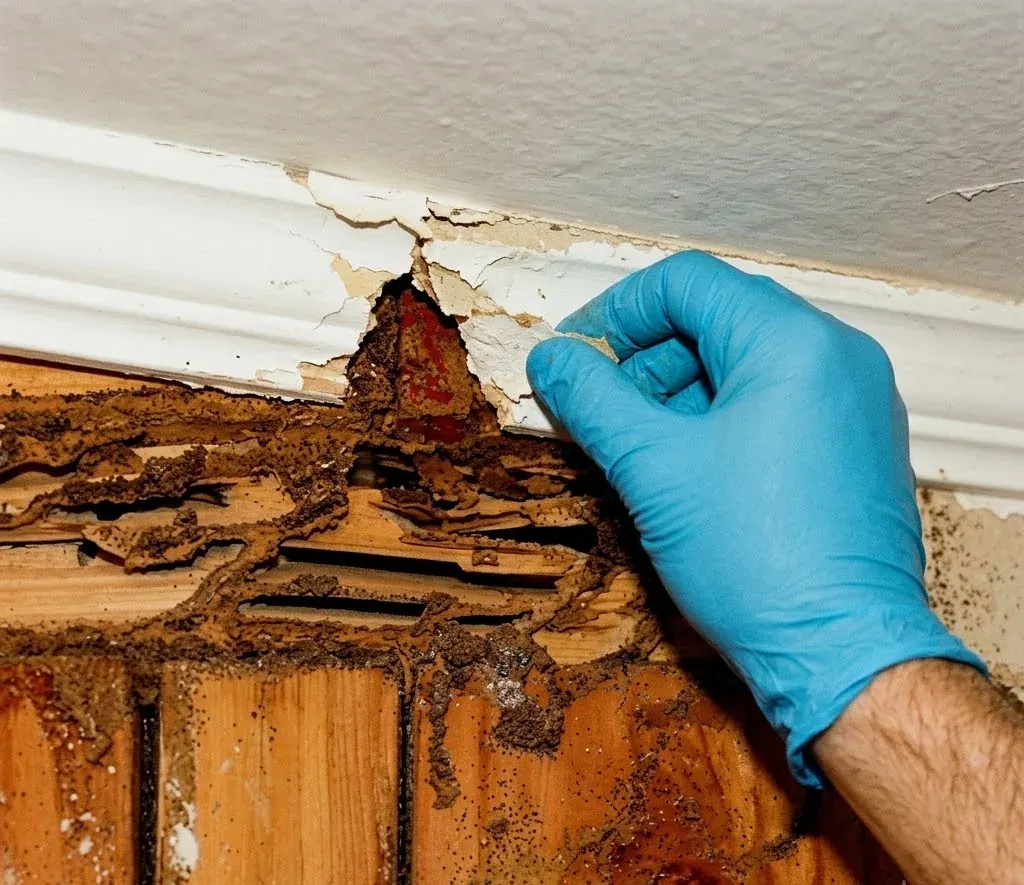
Here is the part that surprises people. Native subterranean termite swarming in this state begins in late winter and carries on into September or October. So a flight in February is not early and it is not unusual, and it is not a sign of anything exotic.
Most national pest writing is built around one spring swarm, which is why a homeowner who finds wings on a sill in February assumes it must be something else. Warm days after rain are the ones to watch, and the flights happen in daylight, so the evidence is often a pile of shed wings found later rather than the insects themselves.
Which makes winter the right time for the structural work
Everything that is worth doing to a foundation is easier now. A crawl space is more pleasant to work in, the ground is not baked, planting can be cut back without ruining a display, and there is no urgency competing for the diary.
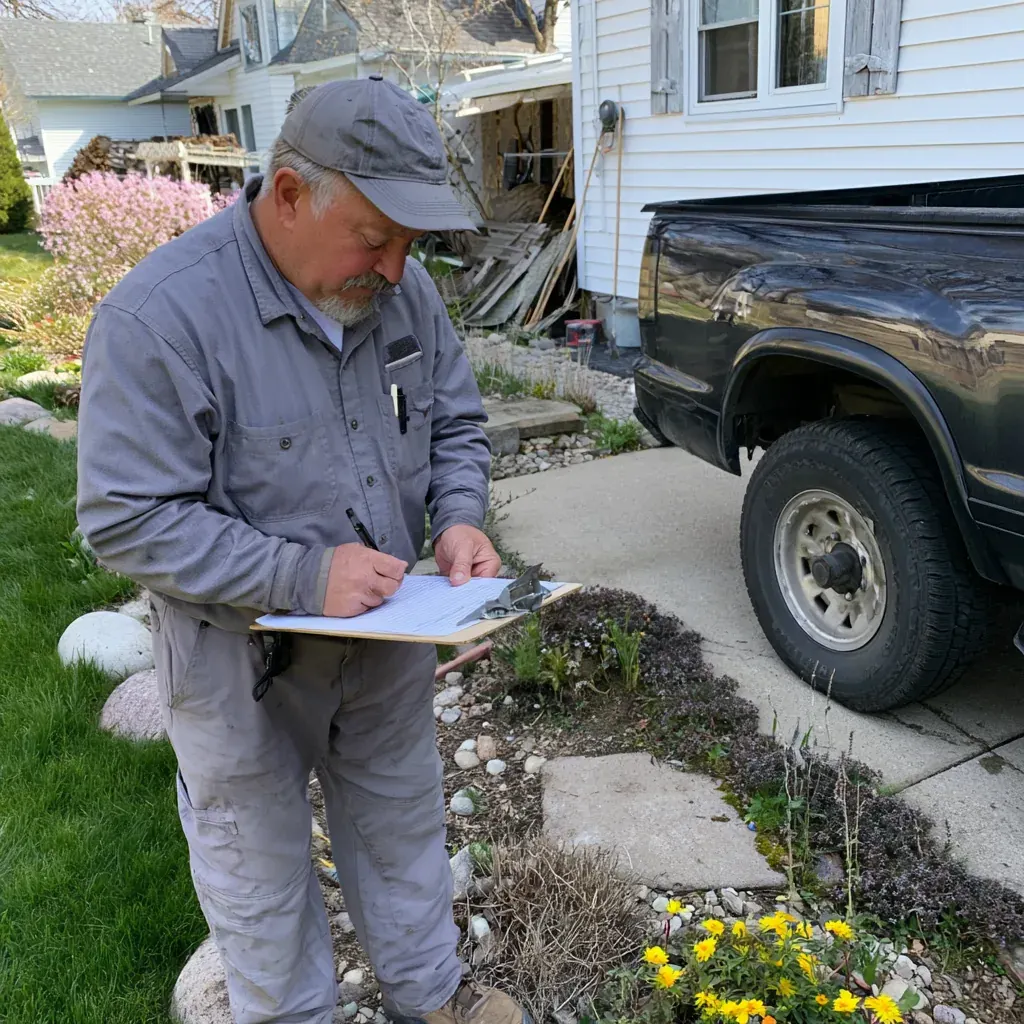
So this is the season for the unglamorous jobs: clear cellulose debris from under the floor, get the six inch clearance back between soil and any exterior woodwork, fix the gutter that discharges at the wall, and have somebody read the wood moisture before the swarm window opens rather than after.
What a plan visit does in January
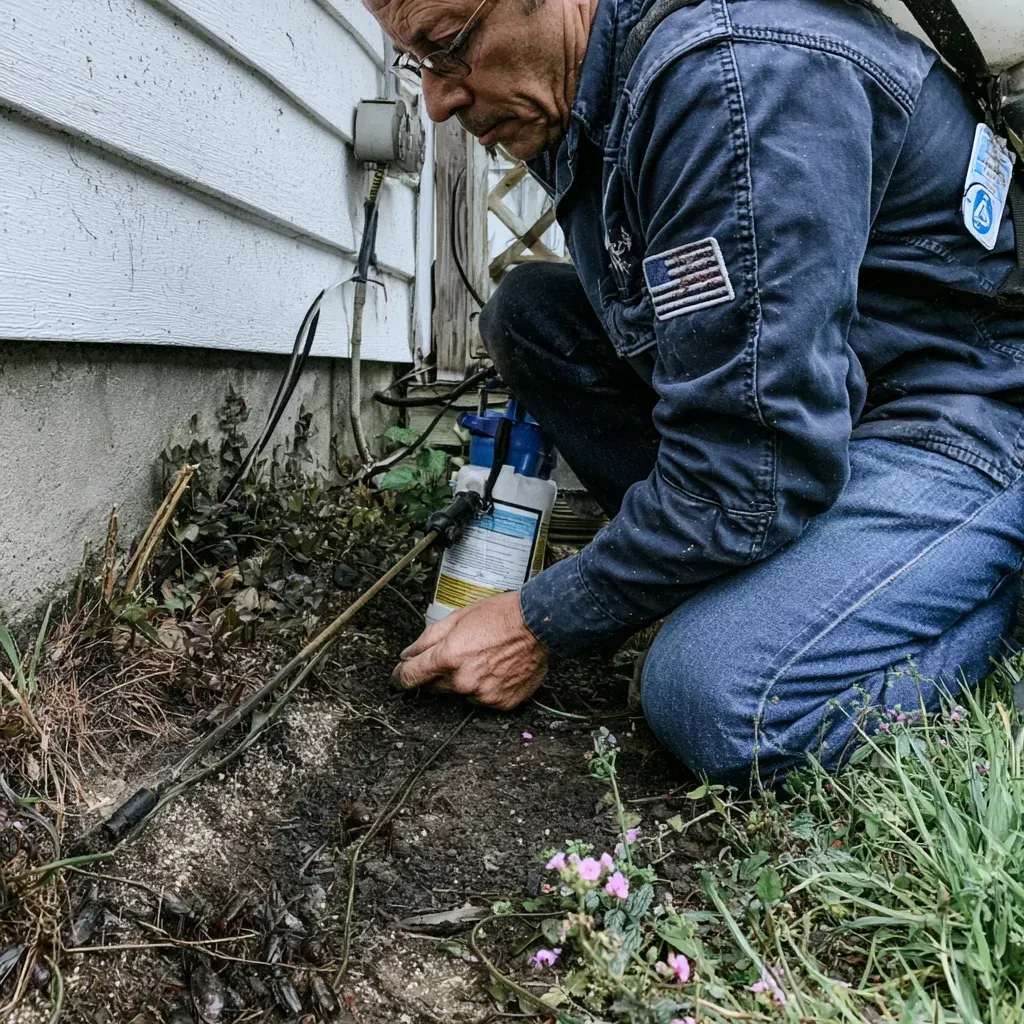
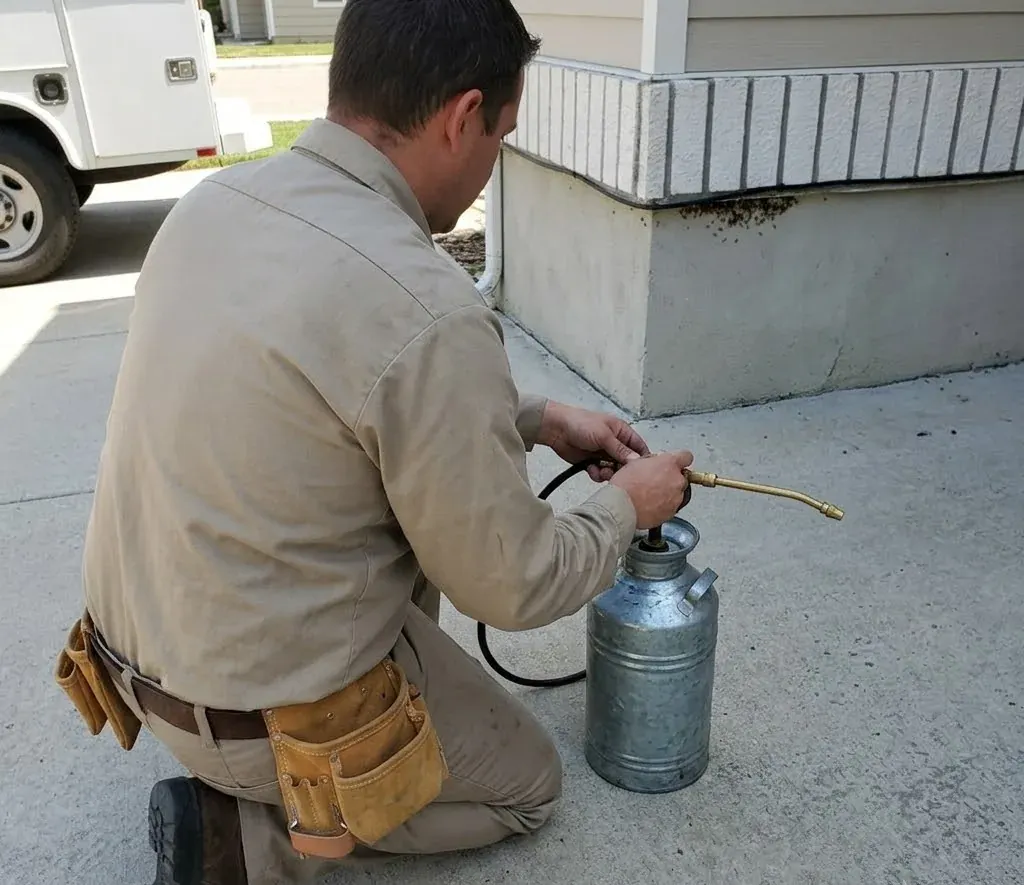
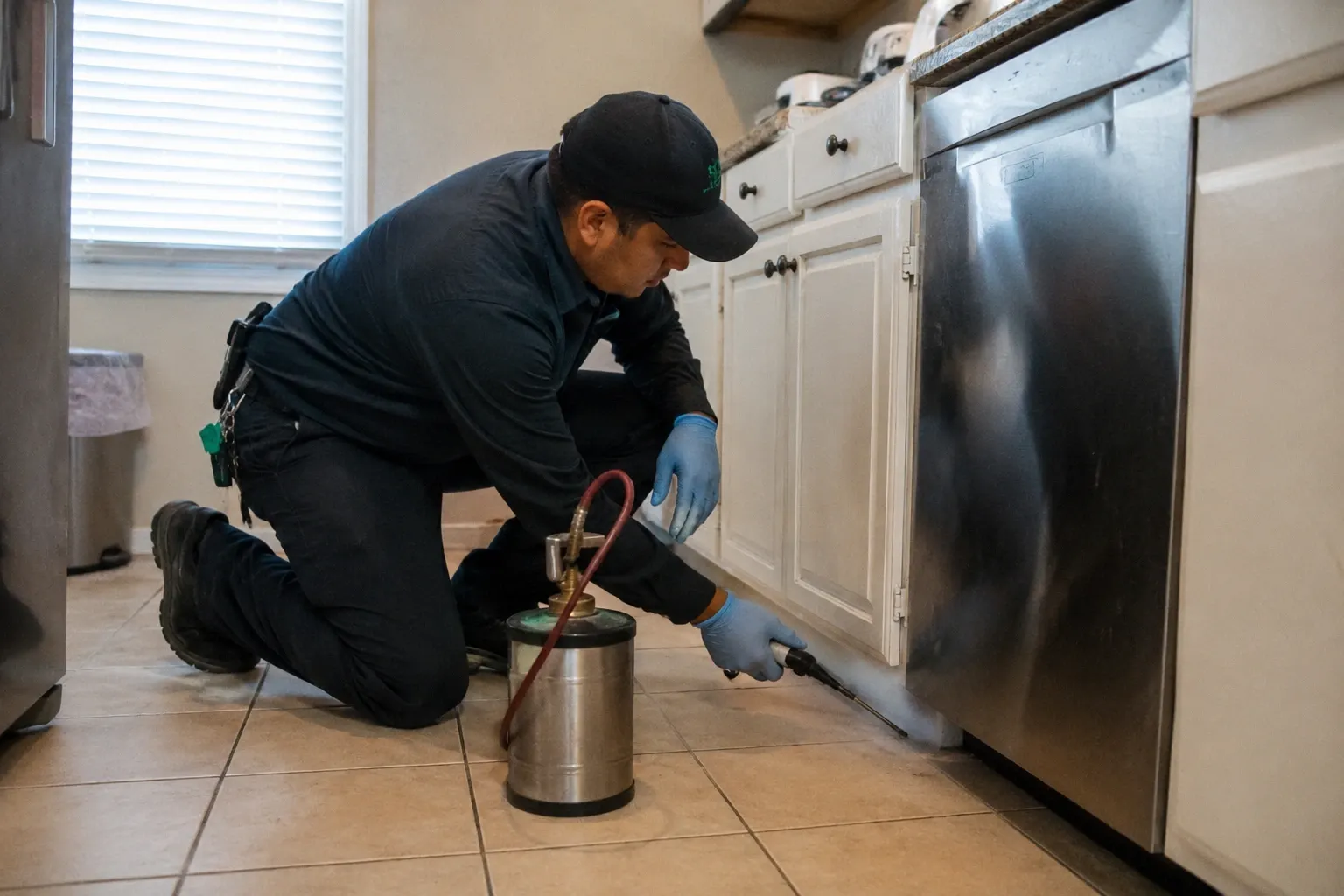
A cold weather visit looks different from a July one, and it should. Less time on the yard, more on the perimeter and the entry points, bait stations checked and refreshed, and a proper look at the substructure while it is accessible.
If a scheduled plan appears to be doing less in winter, ask what the visit covered. The honest version has an answer, and the answer is usually that it moved indoors and underneath.
One thing not to bother with
Do not book a mosquito round in January. Nothing is resting in the vegetation to treat, the money does nothing, and anybody selling you one is not paying attention to the calendar.
That is worth saying because the reverse is also true: a termite inspection in January is a good use of a free visit, and it is the one that gets in front of the flights rather than reacting to them.
Dealing with this in your home?
We offer free inspections and honest recommendations across Fayetteville and the surrounding towns. Call (855) 563-1479 and we’ll help you sort it out.