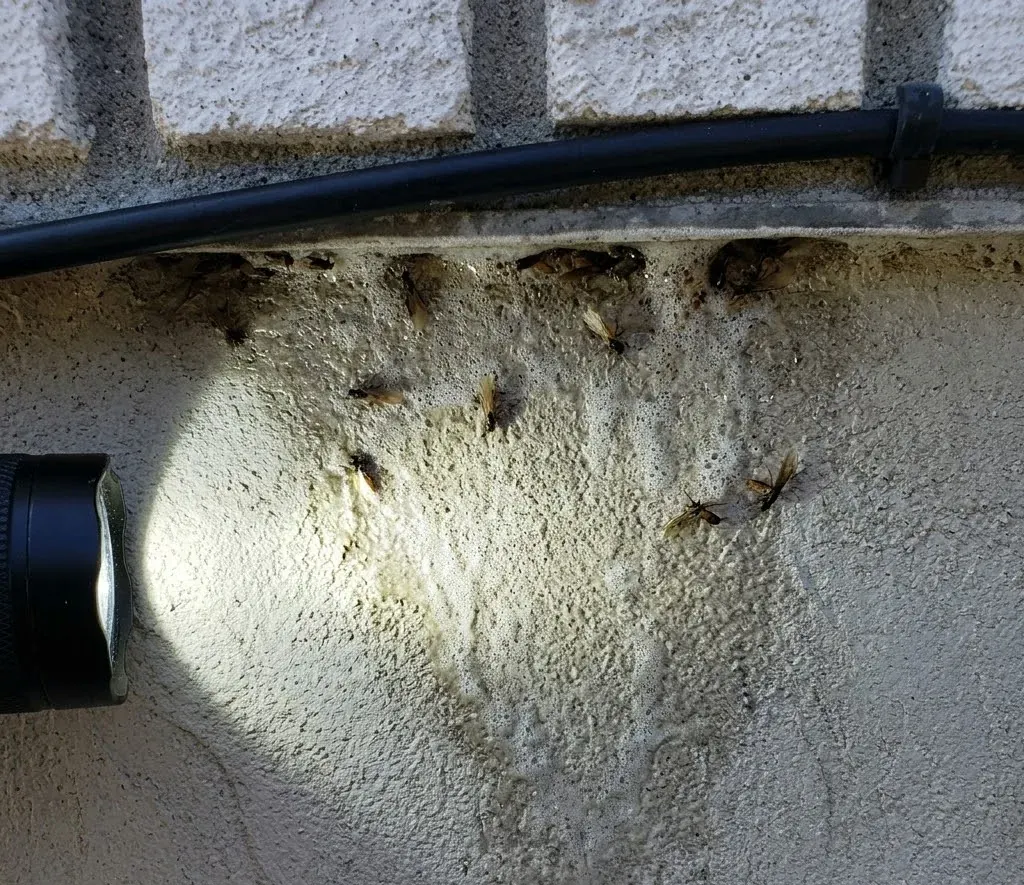
There is a small pile of translucent wings on the window sill and no insect anywhere in the room. That is the most common way a homeowner here finds out termites are active, and it usually happens on a mild, wet afternoon rather than in the middle of a summer night. Most of the advice online tells people to watch for one spring swarm, mark the calendar, and stop worrying afterwards. In North Carolina that advice is wrong in a way that costs money.
The window is months long, not one weekend
Swarming by subterranean termites in this state begins in late winter and carries on into September or October. That is most of the year. A household that looks once in April and considers the question closed has left another five or six months of flights unwatched, and flights are how new colonies get started near the structures they later feed on.
It also means a swarm in August is not unusual and is not a sign of something exotic. It is the same insect doing the same thing later in its season.
Daylight, and usually a day or two after rain
Swarms here generally happen during the day, and warm days following rain are the ones to watch. Summer thunderstorms move across the Cape Fear valley through the afternoon, so a bright, humid morning after an overnight soaking is prime conditions. If you are out of the house all week you may simply never be home when it happens, which is why the wings on the sill matter more than seeing the insects.
Three native species, and no Formosan termites here
North Carolina has at least three native subterranean termite species and their behavior is close enough that treatment does not change much between them. The one you are most likely dealing with in Cumberland County is the eastern subterranean termite, Reticulitermes flavipes.
You may read alarming things about Formosan subterranean termites. That species was first detected in Brunswick County in 1992, in railroad ties brought in for landscaping, and it has been identified in only a few locations in the state. Brunswick County is roughly a hundred miles away on the coast. It is not a local problem, and anyone presenting it as one is selling something.
Wings on the sill: what to do in the next hour
Do not vacuum them up and forget it. Slide a few onto a sheet of paper or into a sandwich bag and note which window, which room, and which side of the house. Photograph the sill. Termite wings are all a similar length and shed in a loose pile, and that sample is what lets someone identify the insect rather than guess at it later.
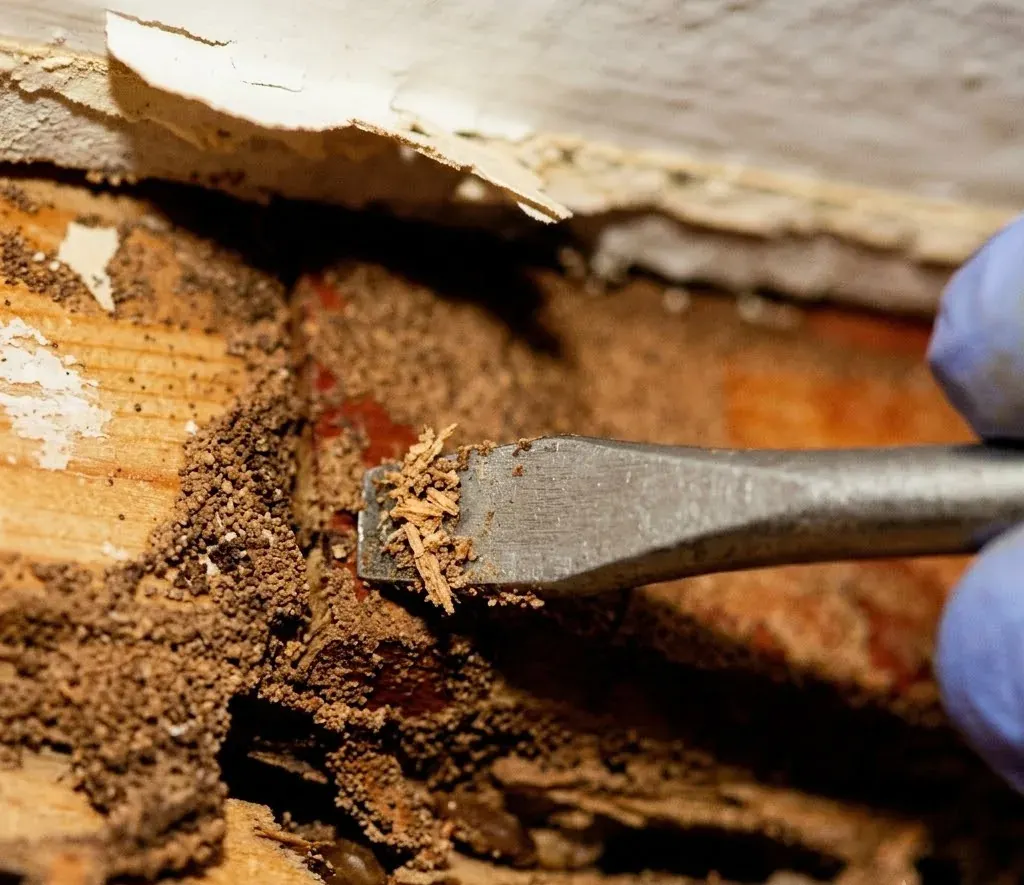
Then look at the nearest exterior wall, the base of any door frame in that room, and if you have a crawl space, the joists overhead below that spot. You are looking for mud, not holes.
Indoors and outdoors mean different things
Swarmers coming out of a stump, a mulch bed or an old fence post in the yard tell you there is a colony on the property. Swarmers coming out of a baseboard, a window frame or a crack in a slab tell you a colony has already found the structure. Both are worth an inspection. Only one of them is urgent in the way most people mean the word.
Do not panic, and do not be rushed
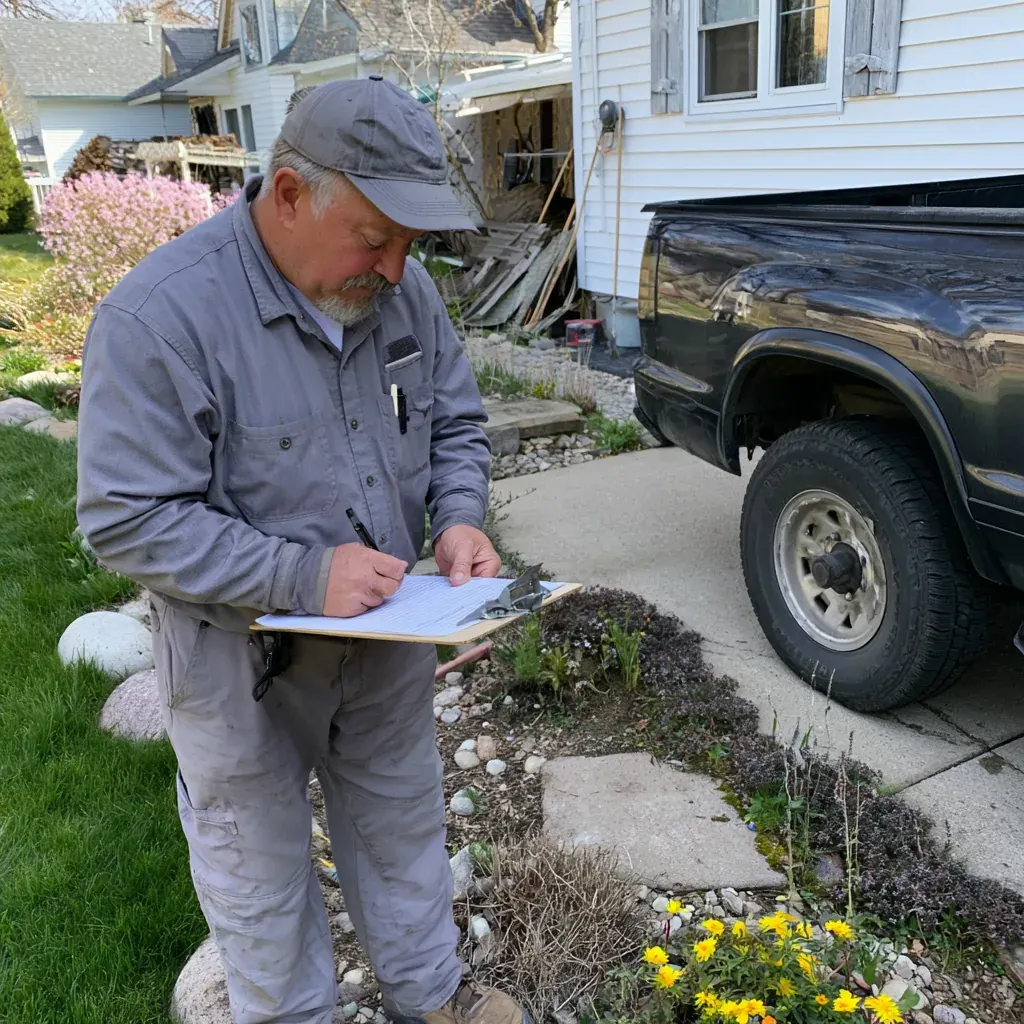
The state's own guidance on this is refreshingly calm. Termites will not cause significant structural damage in a matter of weeks, and choosing a reputable company matters more than moving fast. Someone standing in your driveway saying the house must be treated this afternoon is applying pressure, not expertise.
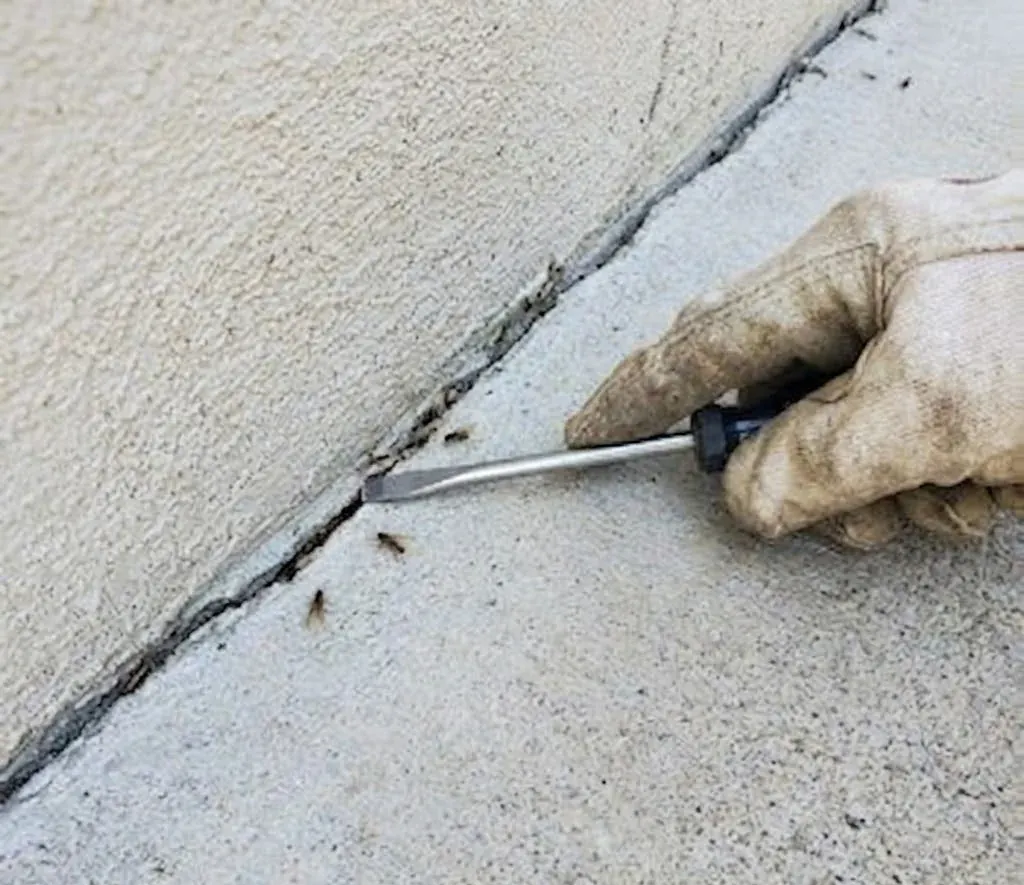
Do not stretch it out either. Termites can use a crack as narrow as a thirty-second of an inch and can build shelter tubes at roughly two and a half inches an hour, so activity does spread while you compare proposals. A week of reading quotes is fine. A whole season is not.
What an inspection looks for after a flight
Mud tubes on foundation walls and piers, thin soil lines running up masonry, wood that sounds hollow when tapped, and the conditions that made the house attractive in the first place: wood touching soil, cellulose debris under the floor, damp timber. On a slab home the attention shifts to the bath trap, the plumbing penetrations, and any joint where the slab has pulled back from the foundation wall.
Where to go from a pile of wings
Keep the sample, note the date and the weather, and have someone licensed by the NCDA&CS Structural Pest Control Division look at the house. If evidence is found, whatever gets proposed has to be in writing, including a foundation diagram showing whether the infestation is active or inactive. The licensed local pros we connect you with cover Fayetteville, Hope Mills and Spring Lake, and an inspection is the right first step whether the wings turned up in February or in October.
Dealing with this in your home?
We offer free inspections and honest recommendations across Fayetteville and the surrounding towns. Call (855) 563-1479 and we’ll help you sort it out.