Turnover week is short, loud and expensive, which is exactly what makes it the best week of the year to deal with bed bugs. The unit is empty, the furniture is out, the walls are reachable, and nobody is living around the work. Every one of those conditions disappears the day the new tenant's boxes arrive, and in a market where rotation through the Fort Bragg area keeps units moving, that window comes around more often than it does most places.
An empty unit is the cheapest unit to treat
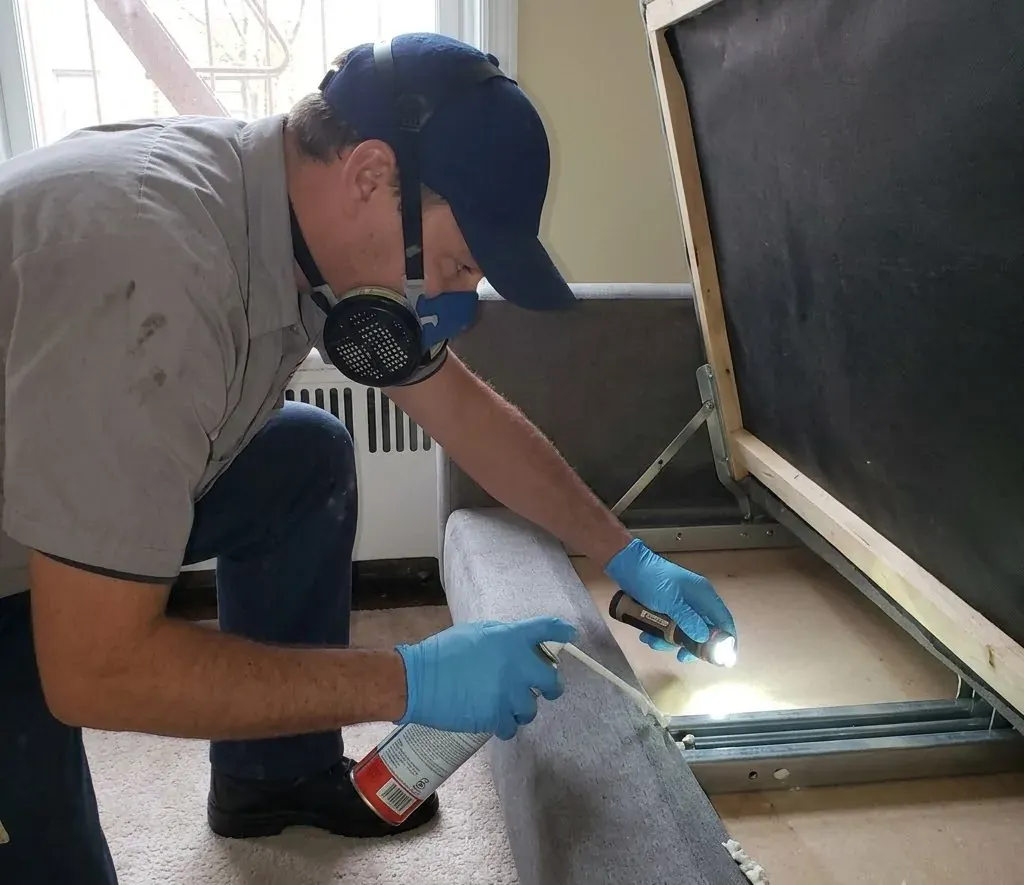
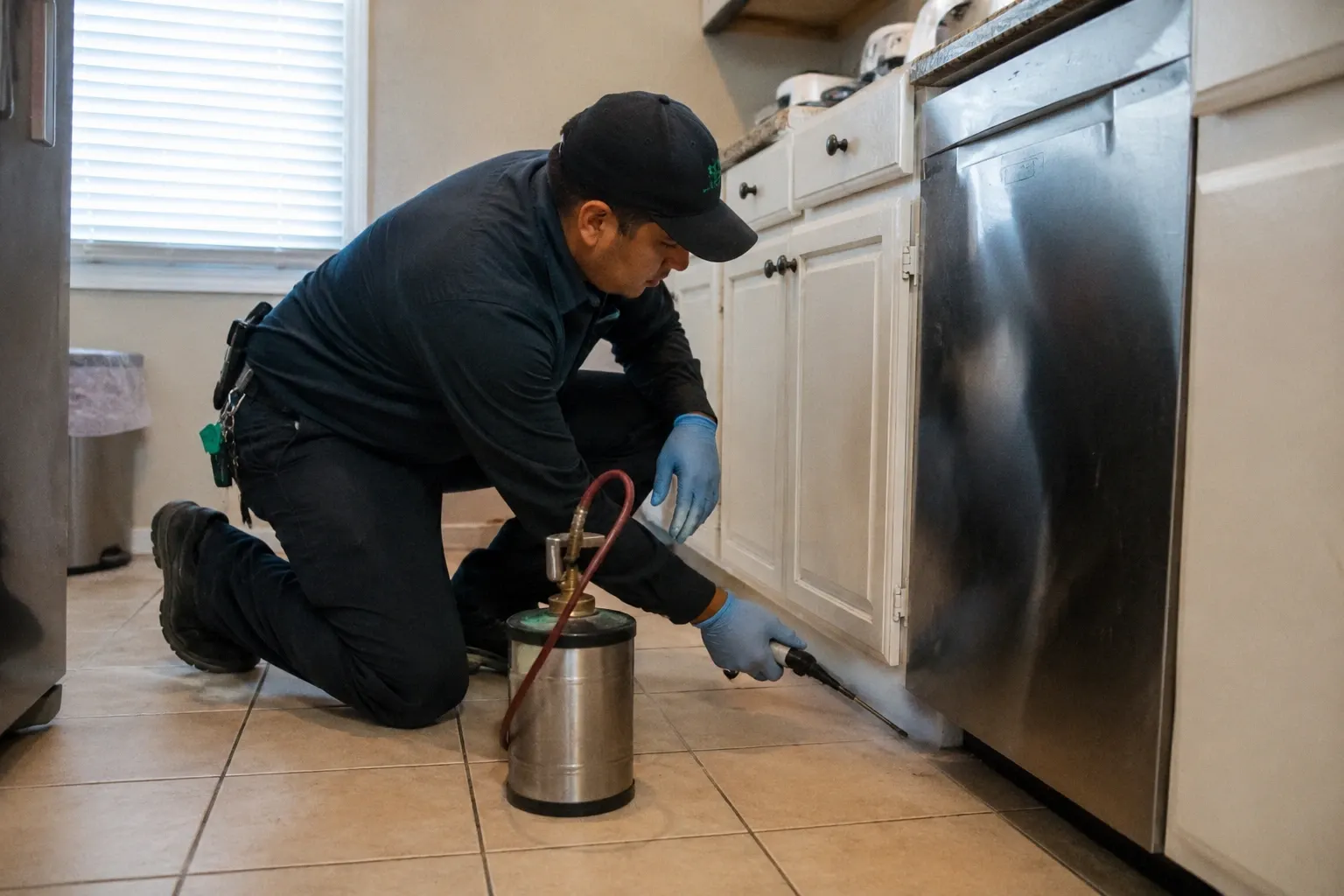
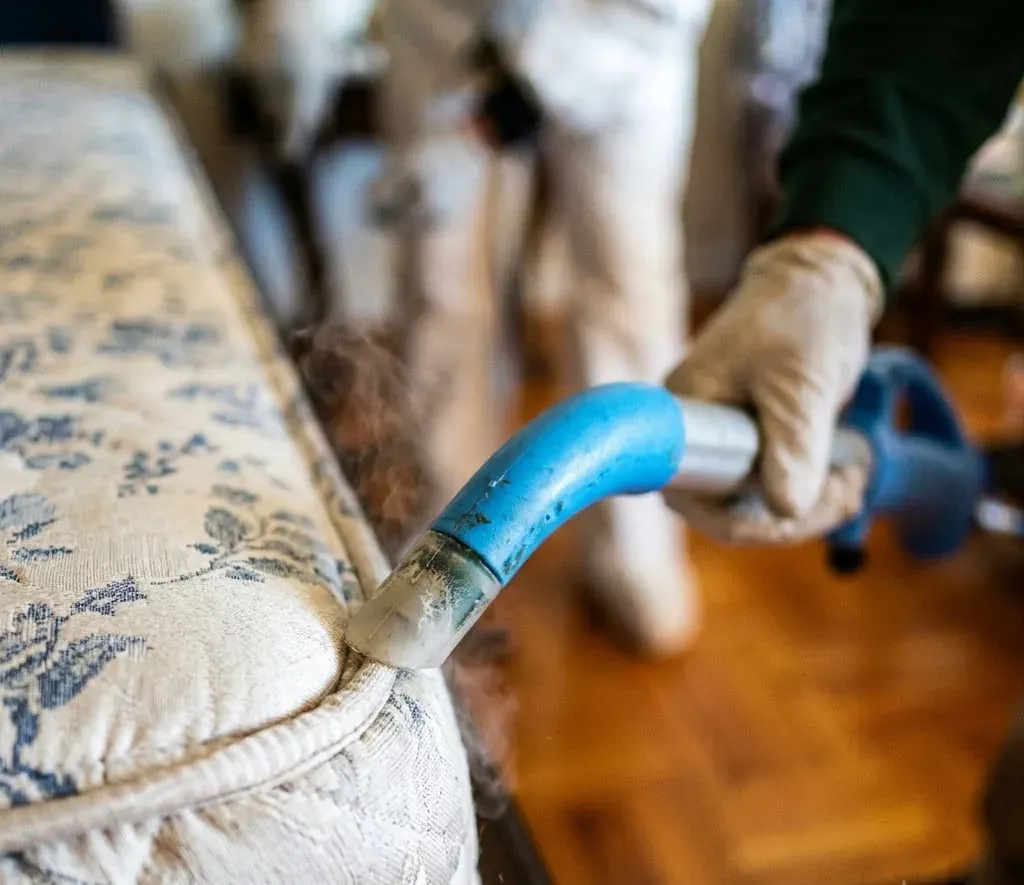
Bed bug work in an occupied home is half pest control and half logistics: preparation lists, laundry, cooperation, access, and repeat visits scheduled around shifts and school. Empty removes all of that. A technician can pull outlet covers, treat frames and baseboards, lift carpet edges and apply heat or targeted product without working around a family's belongings.
The saving is real and so is the certainty. A follow-up inspection in an empty unit gives you a clean answer. In an occupied unit it gives you a probably.
One unit in a building is money spent twice
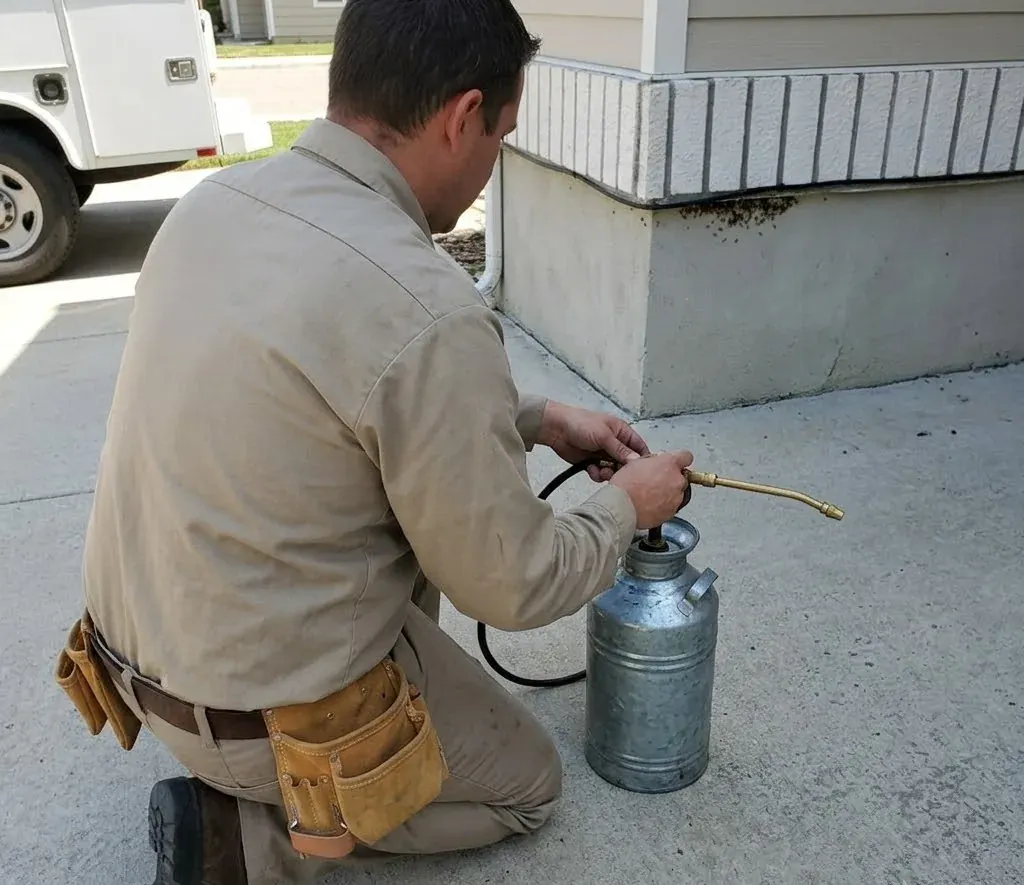
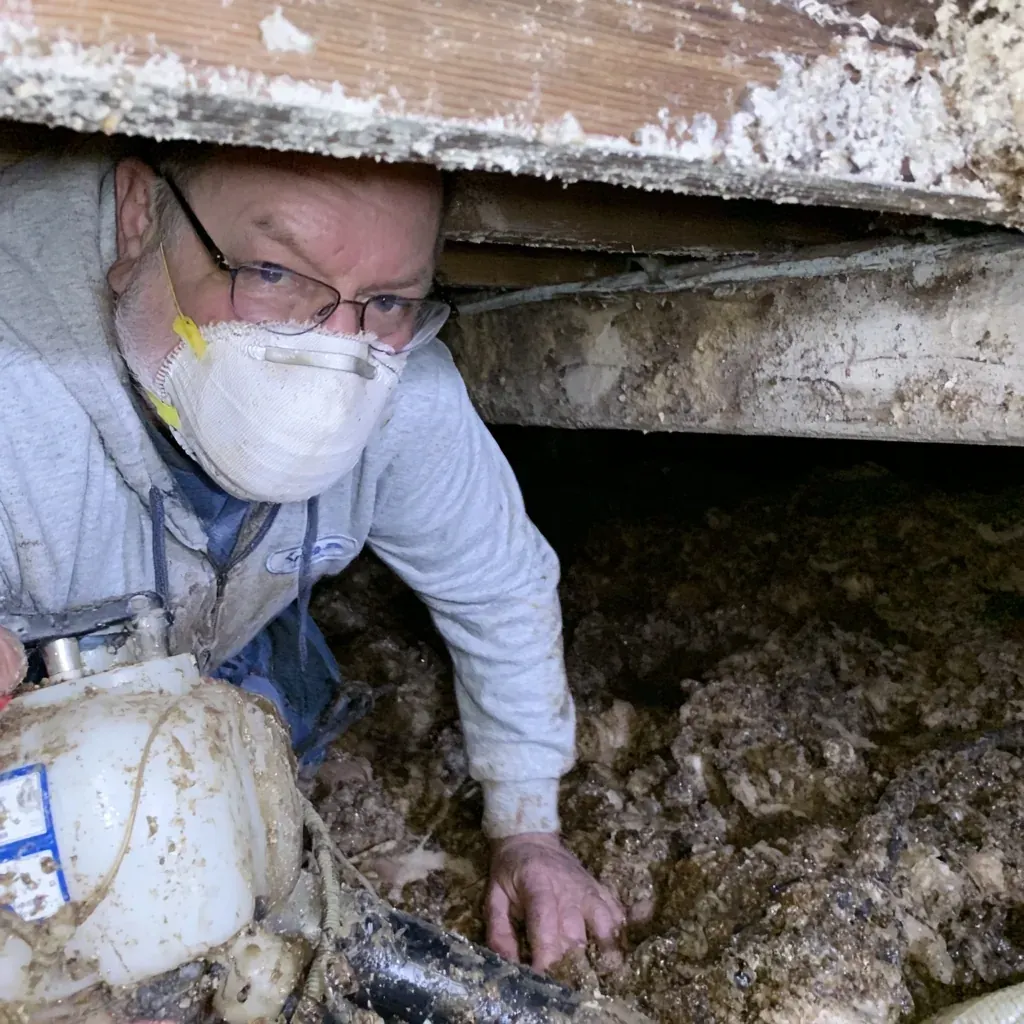
Bed bugs travel along shared walls, through wall voids, along plumbing and wiring chases, and in the hands of anyone moving furniture between apartments. Treating unit 4 and leaving 3 and 5 alone often means treating unit 4 again in two months. Inspect the neighbors either side and the units above and below as a matter of routine, even where nobody has complained, because a light early population is quiet.
What G.S. 42-42 actually requires
The Residential Rental Agreements Act requires a landlord to make all repairs and do whatever is necessary to put and keep the premises in a fit and habitable condition. Two parts of that get overlooked. The duty runs for the whole tenancy rather than only at move-in, and it cannot be waived, so a lease clause attempting to sign it away does not do what it appears to do.
That is not the same as a flat rule that pest control is always the landlord's bill. Tenants carry their own duties under G.S. 42-43, and who pays in a given case turns on the lease and on the cause. What is not in question is that the condition has to be addressed. Short-term and vacation lets are a different arrangement, so do not assume the same article applies without checking.
The one thing not to do before an inspection
Do not treat first with store-bought aerosols, foggers or powders. A retail fogger scatters bed bugs deeper into wall voids and into adjacent units, destroys the evidence a technician needs on the surfaces where it is useful, and turns a one-room problem into a building problem. It is the most expensive fifteen dollars a property manager can spend.
The related mistake is hauling mattresses and upholstered furniture out through a shared hallway before anyone has looked. Bag items in place or leave them until the inspection, and mark anything being discarded so it does not come back in off the dumpster.
A turnover sequence that holds up
Inspect while the unit is still furnished if you can, since seams, frames and headboards tell you far more than an empty room does. Book treatment for the first day the unit is vacant rather than the last. Do the repairs that matter for pest work at the same time, sealing gaps around plumbing penetrations, fitting a proper door sweep, patching the holes left behind a headboard. Then schedule the follow-up inspection before you list the unit, and hold the move-in date until it has passed.
Paperwork habits that save arguments
Photograph every unit at move-out and move-in, keep the inspection reports, and keep written records of tenant reports and your responses. Consumer guidance in this state tells tenants to report needed repairs in writing and keep a copy, so expect that and match it. With rotation through this area, the tenant who reported a problem may be three states away by the time anyone asks about the cause.
Where work involves wood-destroying organisms rather than bed bugs, remember that such an agreement has to be in writing here, and file it with the unit records rather than in the accounting folder.
Budgeting for it across a portfolio
Bed bug work is priced per unit and by method, and the honest range is wide, because a studio with one bed and a three-bedroom with upholstered furniture throughout are different jobs. Ask for pricing per unit, for the cost of inspecting adjacent units, and for what a repeat visit costs if the follow-up finds activity. If you run several buildings across the county, ask about a scheduled rate for turnover work instead of pricing each unit as an emergency.
Dealing with this in your home?
We offer free inspections and honest recommendations across Fayetteville and the surrounding towns. Call (855) 563-1479 and we’ll help you sort it out.