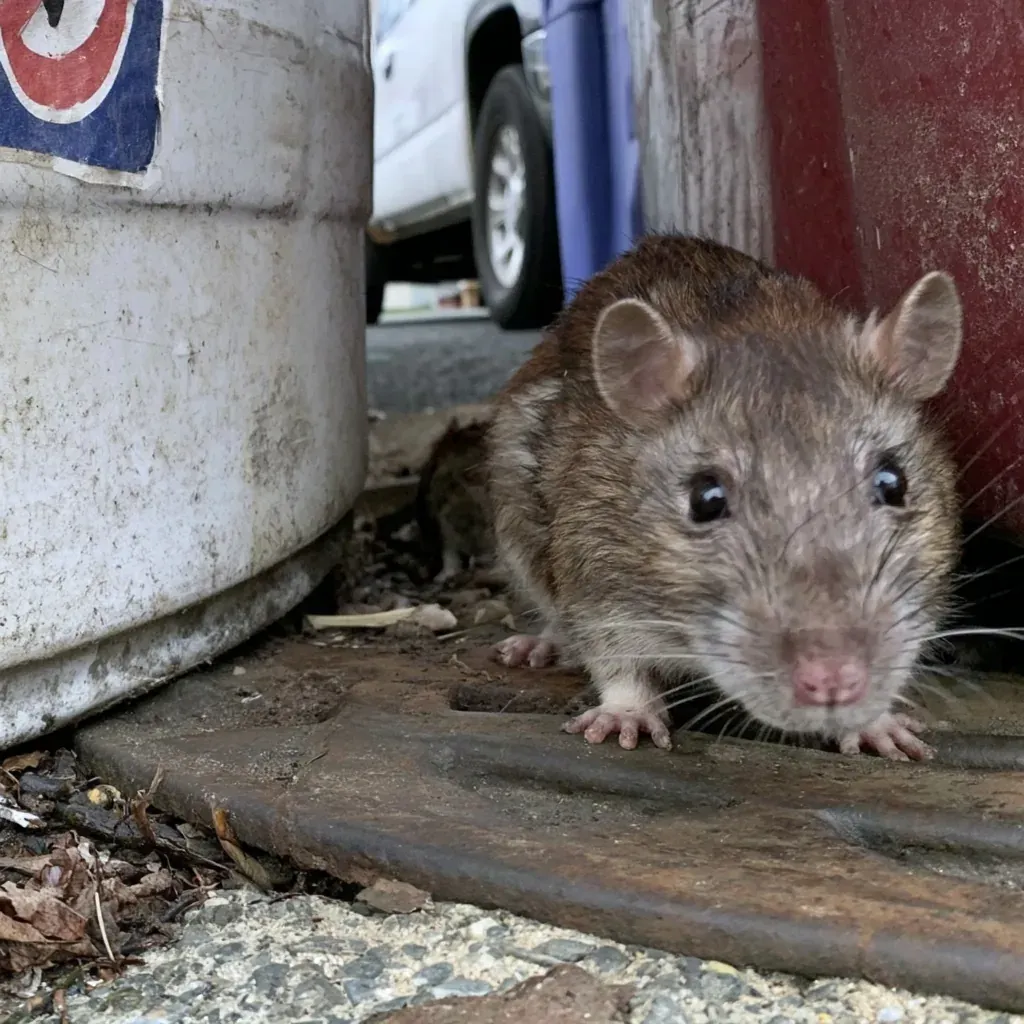
A mouse gets in through a gap about the width of a pencil. Not a hole, a gap. That single measurement is the reason trapping on its own never finishes the job. You can catch every animal in the building and the way in stays exactly as open as it was on day one, which means the only thing standing between you and the next one is luck and traffic.
Trapping empties the space, sealing keeps it empty
Traps deal with the population you already have indoors. They do nothing about the population outside, and outside is where the next one comes from. Two or three quiet weeks after a good trapping run feels like success, and it is usually just the interval between one animal finding the opening and the next one finding it. Rodents leave scent along their runs, so the opening does not have to be rediscovered from scratch.
It is also why a service that is only bait and traps renews forever. Nothing about the building changed, so the problem has no way to end. Sealing is the part that ends it. Trapping is what clears the animals already inside so you are not sealing them in with your insulation.
Hardware cloth and sheet metal are the barrier. Foam is a filler.
Rodents chew. Expanding foam, steel wool on its own, caulk, plastic vent covers and a wood patch are all chewable, and the animal returns to that spot because it already smells like a doorway. The barrier has to be something teeth do not beat: galvanized hardware cloth in a fine mesh, or sheet metal, cut oversize and mechanically fastened rather than pressed into place.
Foam still has a job. It goes behind the metal to fill the void and stop the draft, and when the work is done properly you cannot see any of it. Foam in front of the metal, or foam by itself, is the most common failed repair in this trade, and it is the one homeowners are sold most often because it is fast.
The garage door seal, and why it fails on sandy ground
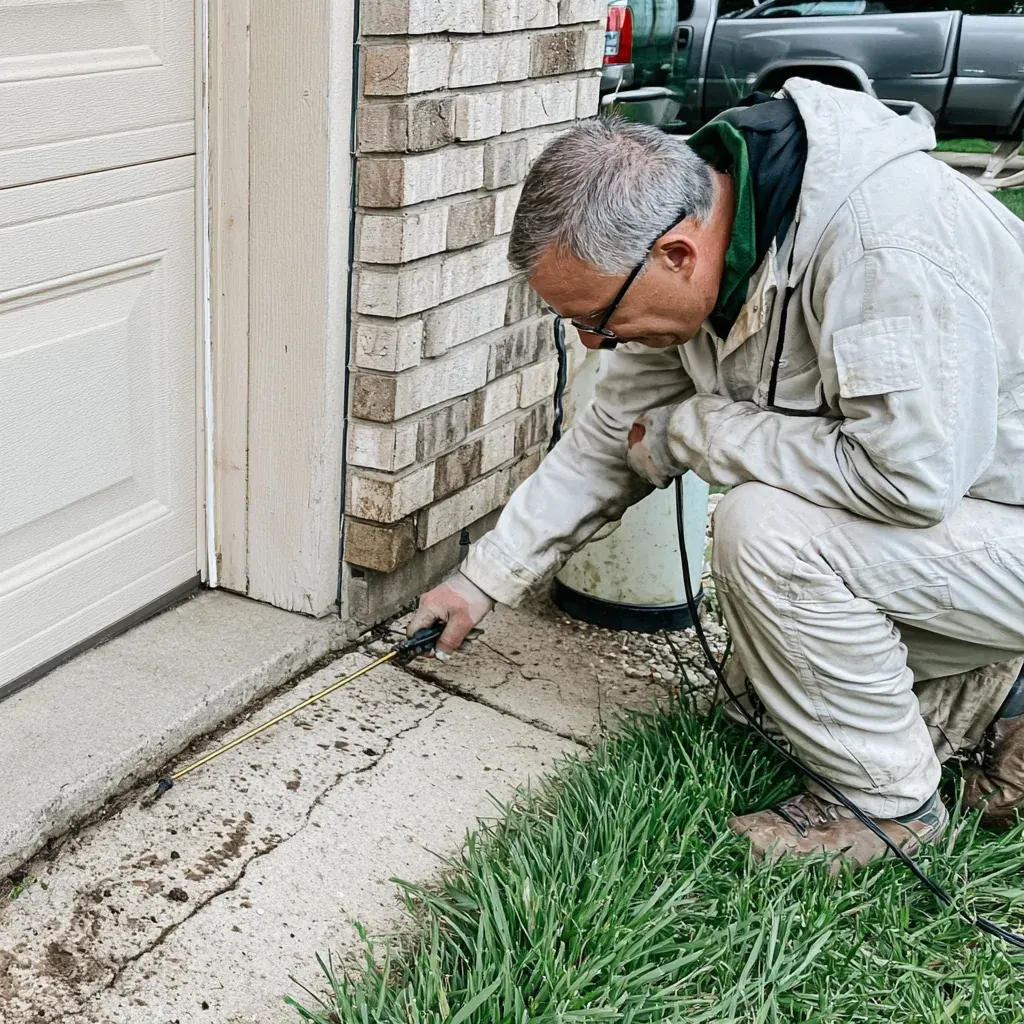
The garage is usually the route in, and the bottom seal is usually the reason. Sand settles. A slab edge or a driveway apron that sat level at handover develops a dip at one corner, and the door closes on air. Look at it from the inside with the lights off in daylight and you will see the line of light long before a flashlight finds anything.
Fix the seal and the surface together, because new rubber on an uneven slab leaves the same gap it did before. The side jambs matter as much: the vertical weatherstrip pulls away at the bottom few inches first, and that is precisely the height an animal is checking. A garage with a gapped door and a bag of dog food in it is not an infestation, it is an invitation.
Where to look, in the order a rodent would
Walk the outside slowly at grade, then look up. Everything on this list is a real entry point somebody has found on a house here, not a theoretical one.
- Garage door bottom seal, the threshold, and the lowest few inches of both side jambs
- Where the dryer vent, hose bib, gas line and air conditioning lineset pass through the wall
- Crawl space vents with torn or missing screens, and the crawl space access door
- The gap under an exterior door with a worn sweep, especially a back door onto a deck
- Utility penetrations under a kitchen sink and behind a washing machine
- Where brick veneer meets the slab or the sill plate, particularly at corners
- Soffit and fascia joints, and any gable vent screen with a chewed corner
- Weep holes and open vertical joints in brickwork that were never closed
The order of work that actually ends it
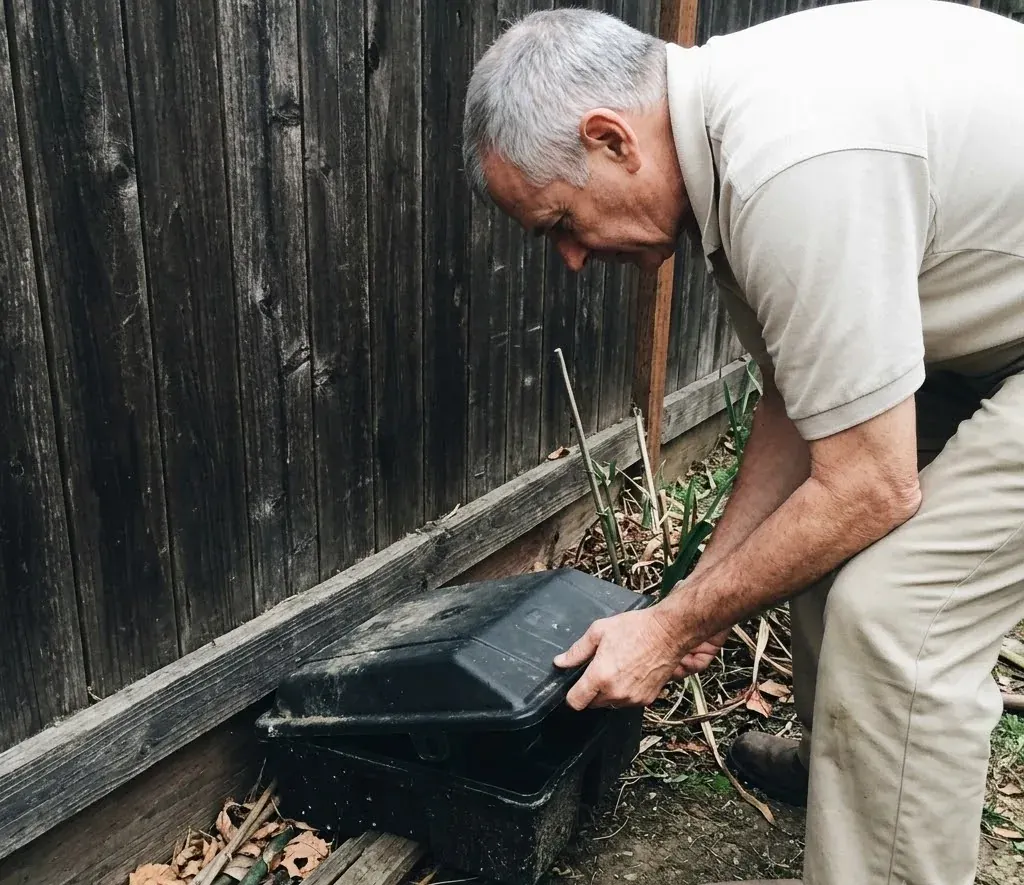
Inspect and map every gap first, on paper, with photographs. Seal everything except the two or three openings showing the heaviest use. Trap hard at those, set on the runs rather than out in the middle of a room. When activity stops, close the last openings in metal and go back a week later to check the work rather than to sell you a plan.
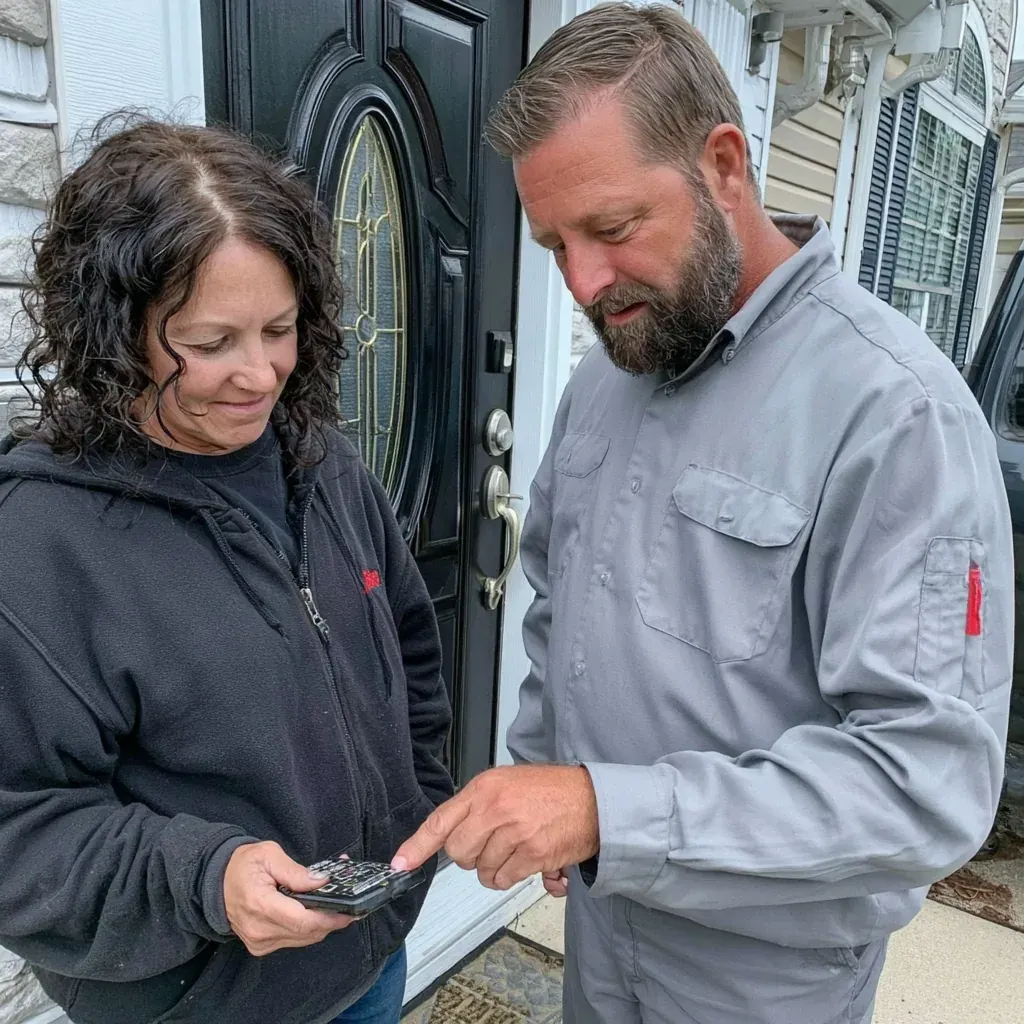
Then keep the outside dull. No bird seed in an open bag, no pet food stored in the garage, nothing stacked against an exterior wall, firewood off the ground and away from the house, and vegetation cut back off the siding. That is not a slogan, it is the difference between a seal that holds for years and one that holds for a season. The licensed local pros we connect you with handle exclusion work across Fayetteville, Spring Lake and Hope Mills, and a written list of the gaps found is a fair thing to expect from the first visit.
Dealing with this in your home?
We offer free inspections and honest recommendations across Fayetteville and the surrounding towns. Call (855) 563-1479 and we’ll help you sort it out.