The expensive part of mixing up the two rats is not the wrong name. It is the visit that follows it. A crew spends a morning in an attic setting traps and screening a gable vent while the animal is living in a burrow under the shed, and at the end everybody agrees to try again next week. Nothing about the second visit works either, because the plan was built on the wrong animal.
Start with the tail
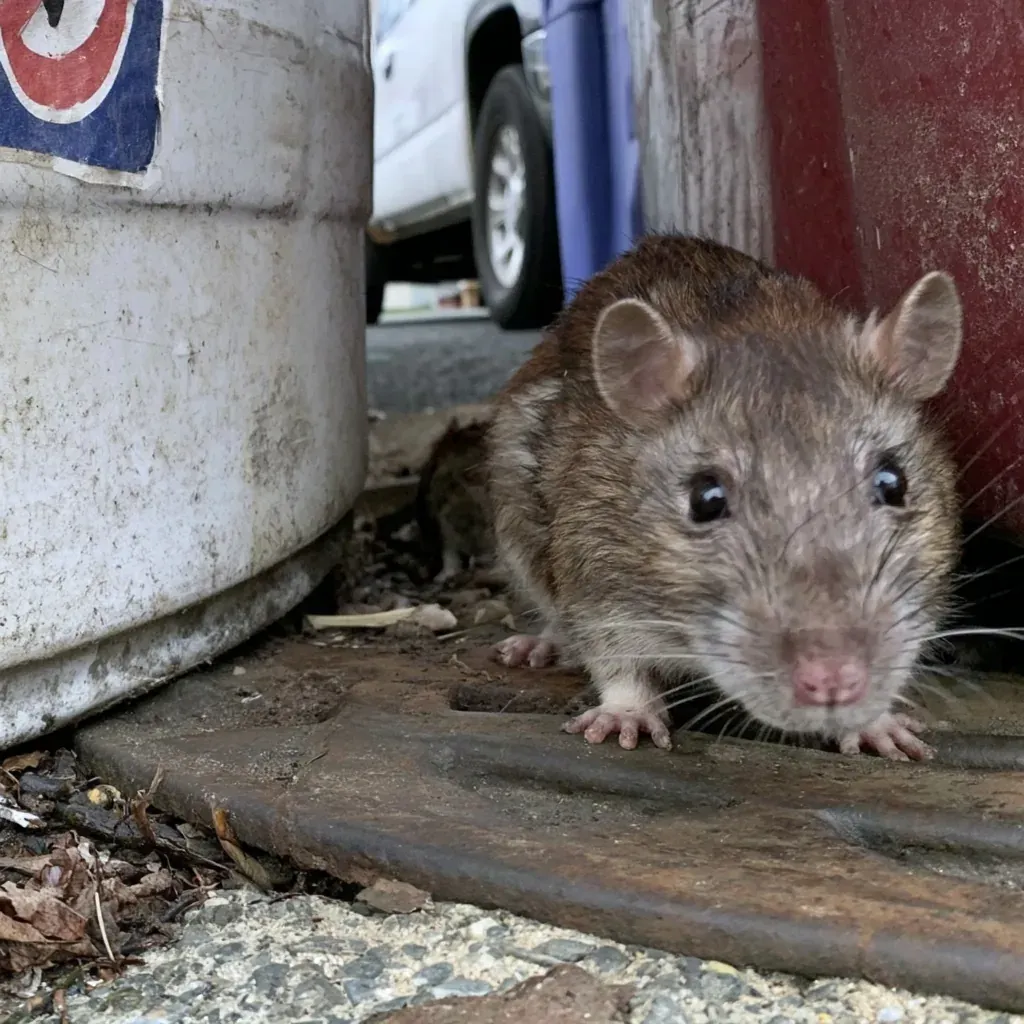
Hold the tail against the rest of the animal. A Norway rat has a tail shorter than its head and body combined. A roof rat is the lighter animal, and its tail is longer than its head and body. That one comparison sorts most cases, and it works on a photograph, on a trapped animal, and on the one the dog brought to the back step.
Then the face and the ears
A Norway rat is heavy set, with a blunt face and small ears sitting close to the head. Roof rats are slimmer, with a more pointed face and larger, thinner ears. Overall size and color help far less than people expect: a well fed roof rat in a warm attic looks bigger than it is, and a young Norway rat gets called a mouse every day of the week.
Low or high, and they rarely swap
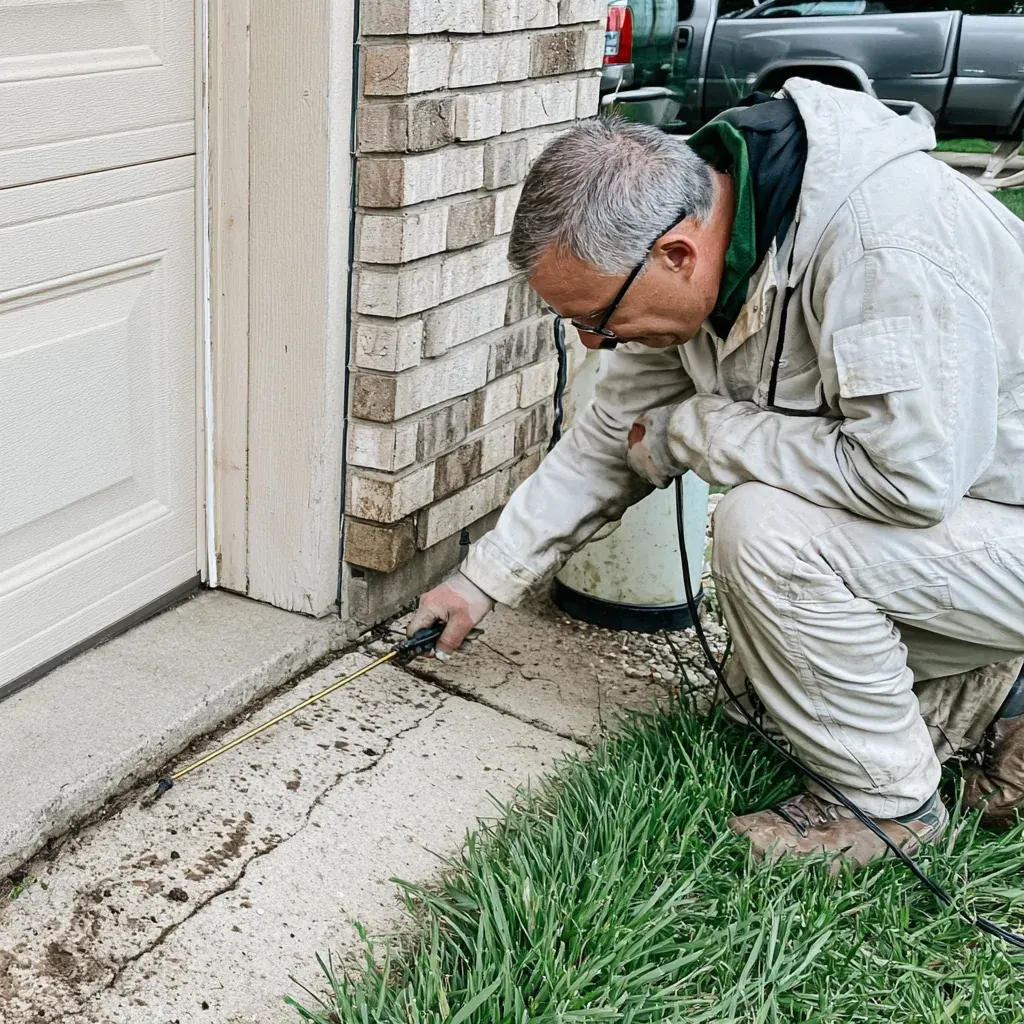
Norway rats work at ground level. They burrow, and they burrow next to things: under a shed floor, along a fence line, behind ivy or a thick shrub bed, under a set of concrete steps, under stacked pallets or a woodpile, and at the edge of a slab. Their runs are low, and they leave greasy rub marks along baseboards, joists and the base of foundation walls near drains and crawl space vents.
Roof rats use the roofline. They travel on tree limbs, fence rails and utility lines, and they enter at a soffit joint, a fascia gap, a gable vent screen or the roof edge above a porch. When a family hears running overhead in the evening rather than under the floor, that is the difference doing the work for you.
Read the evidence low first, then high
Walk the outside at grade with your head down, then stand back and look at the roof edge. Both halves take about ten minutes.
- A smooth open hole a couple of inches across with a fan of loose soil, near a foundation, shed or step
- Beaten trails through pine straw and along fence lines
- Greasy rub marks low on baseboards, joists and foundation walls
- Droppings in a crawl space, under a sink, or along the base of a wall
- Scratching and running overhead in the evening rather than at floor level
- Gnawed damage at a soffit corner, a fascia joint or a gable vent screen
- Any limb, fence rail or trellis touching the roof edge
Why sandy soil makes the ground animal easier to find
Sandhills soil digs easily and it holds the shape of a hole, so a burrow system beside a foundation or under a slab step is usually plain once you get down at grade with a flashlight. Fast surface drainage helps too: the entrance does not silt over after a storm. A hole that is still clean and open the morning after heavy rain is a hole in use, and that is a better test than staring at droppings.
Side by side
Keep this on your phone while you walk the property, and decide before anyone quotes you for anything.
| Clue | Norway rat | Roof rat |
|---|---|---|
| Tail | Shorter than head and body | Longer than head and body |
| Build | Heavy set, blunt face | Slimmer, pointed face |
| Ears | Small, close to the head | Larger and thinner |
| Where it lives | Burrows in the ground | Roofline, attic, upper walls |
| First place to inspect | Foundation, shed, steps, fence line | Soffit, fascia, gable vent, limbs |
| Noise you hear | Under the floor or low in a wall | Overhead in the evening |
Getting it wrong wastes the visit, not just the guess
Attic work and ground work are different jobs with different materials and different access. Screening a roofline does nothing to a burrow, and a station on the patio does nothing for an animal that never comes down to the patio. This is the practical reason a good first visit is an inspection rather than a truckload of traps: the identification decides the whole scope.
What to do with what you find
Photograph the animal, the hole or the gnawed edge, and note which side of the house it was on and at what height. That is enough for someone to turn up with the right plan and the right ladder. Sealing comes before trapping in either case, but the material list is not the same at grade as it is at a soffit. The licensed local pros we connect you with cover Fayetteville and the surrounding Cumberland County towns, and identification belongs in the inspection rather than on the invoice.
Dealing with this in your home?
We offer free inspections and honest recommendations across Fayetteville and the surrounding towns. Call (855) 563-1479 and we’ll help you sort it out.