The word best does a great deal of work in a search box and almost none in a real decision. Type it and you get a page of ads, a couple of national directories, and nothing at all about your house. Hiring well in Cumberland County comes down to a handful of things you can verify yourself, most of them over the phone, plus one written document worth reading before you sign it.
Why best is the wrong first question
There is no single best pest control company in a market like this one, because the jobs are not comparable. Slab termite work with a bath trap involved has little in common with German roaches in an apartment near Fort Bragg, and neither resembles a moisture problem under an older in-town house. A company can be genuinely good at one of those and ordinary at another.
The better question is who is right for this problem, on this kind of foundation, at this time of year. That question has an answer you can check. Best does not.
Who regulates the work in North Carolina
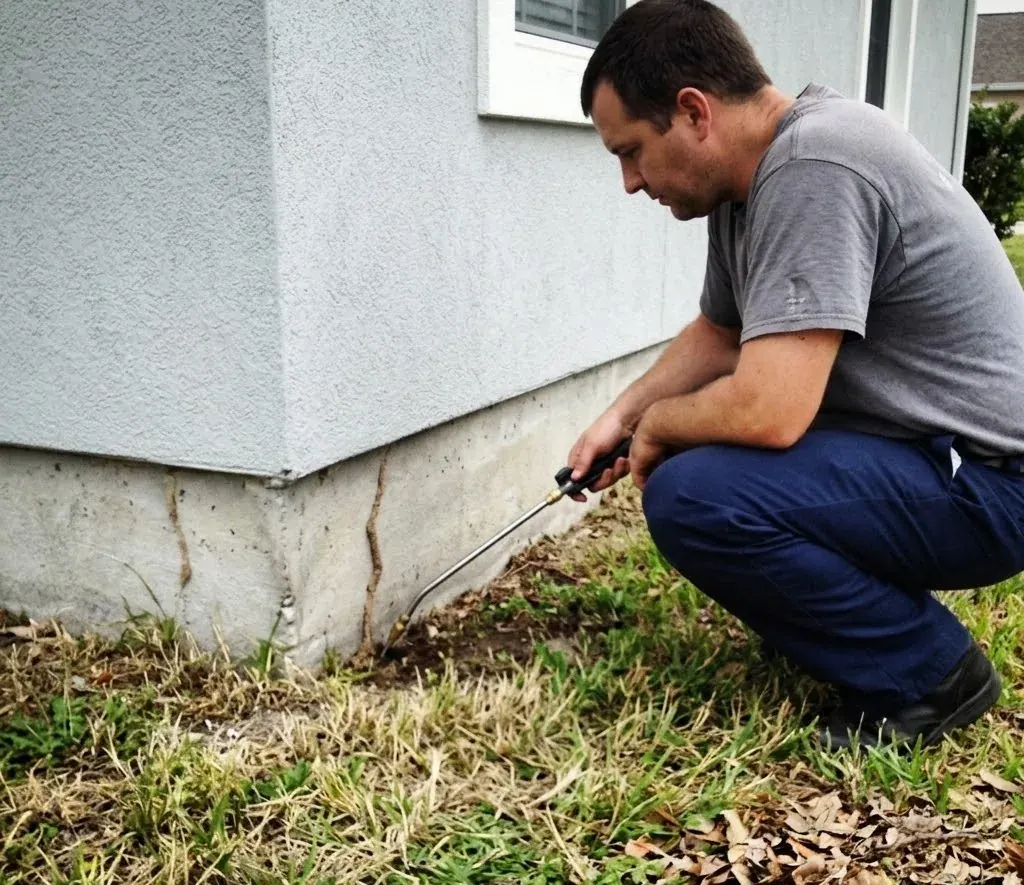
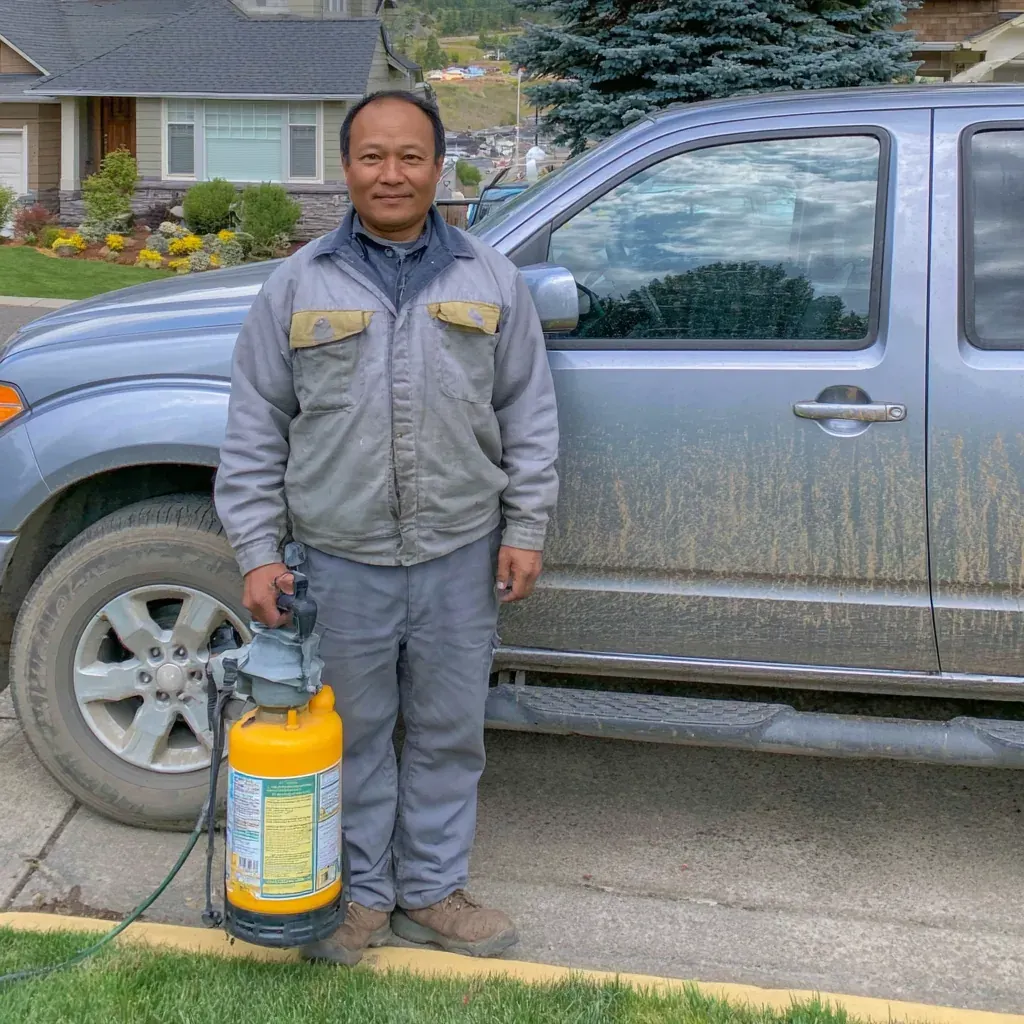
Structural pest control in a home falls to the NCDA&CS Structural Pest Control Division, which enforces the Structural Pest Control Act and the structural pest control rules. Credentials come in three classes, registered technicians, certified applicators and licensees, with certification running in five-year periods, and licenses are issued by phase, so a license covering one type of work does not automatically cover another. Agricultural and general pesticide licensing sits with a separate body, the N.C. Pesticide Board, so do not accept one as proof of the other.
Seven questions to ask before you book
One, are you licensed for the phase of work I need, and what is the license number? Two, who is coming to the house, an employee or a subcontractor, and which credential class do they hold? Three, what does the price include and what is billed separately, specifically the initial inspection and any follow-up visit? Four, will the structure be measured and graphed or sketched before termite work is quoted? That last one is not a trick. When evidence is found or a proposal is issued, the technician has to measure and graph or sketch the structure so the application rate and the price are right.
Five, what happens if the pests are back in six weeks, and is re-service inside the service period included? Six, is this a re-treatment only agreement or does it include damage repair, and what is the stated amount? Seven, what in this plan is specific to my house, the bath trap, the crawl space clearance, the grading, rather than the plan you use everywhere? A company that answers the seventh question well has usually looked at the property properly.
Red flags worth ending the call over
A firm price before anyone has seen the property. A discount that expires while you are still on the phone. Pressure to sign today, which runs against the state's own advice, since termites will not cause significant structural damage in a matter of weeks and choosing carefully matters more than moving fast.
Refusing to give a license number, or taking offense at the question. Nothing in writing. A promise that termites or roaches will never return, which nobody can make honestly in this climate. And a proposal missing the parts the rules require, which brings us to the document itself.
What a fair written quote contains
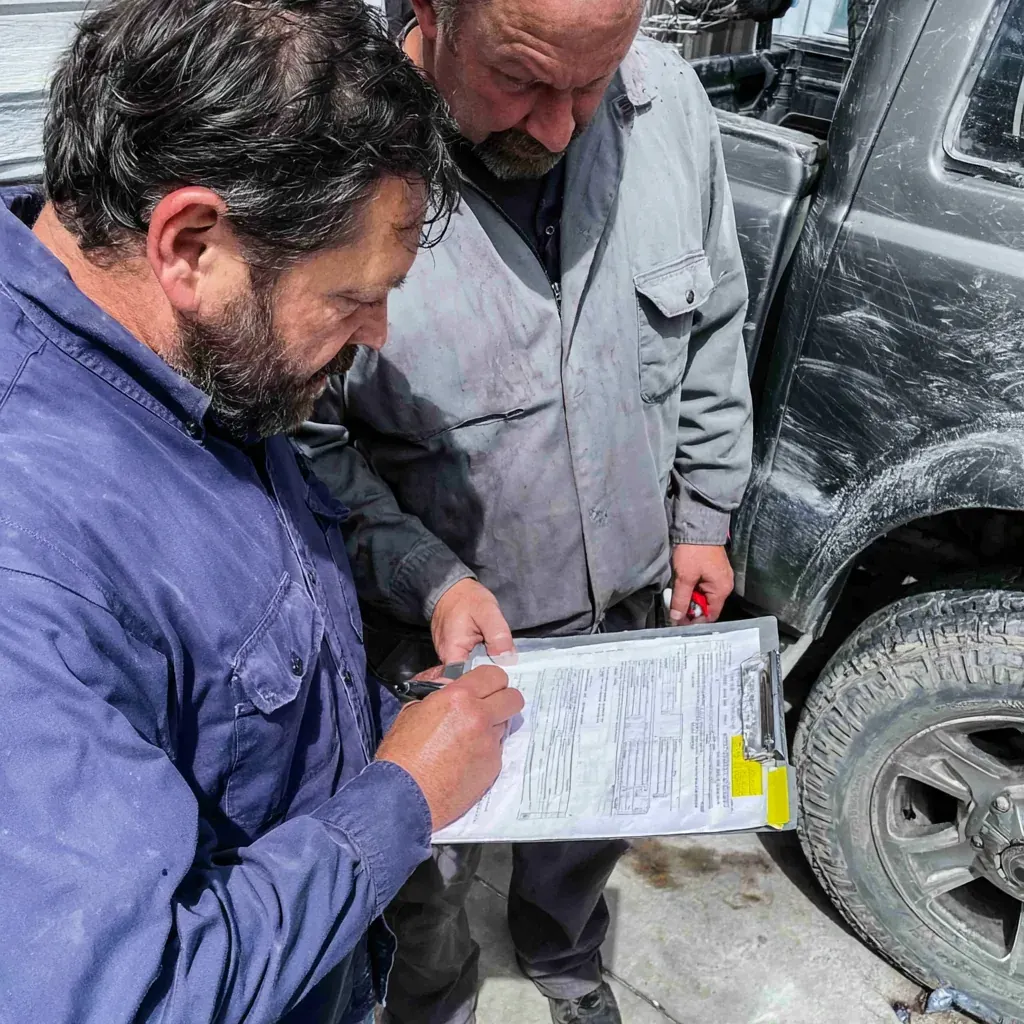
Every contract or agreement for the control or prevention of wood-destroying organisms in North Carolina must be in writing, and it must include at least six things: the license number and phase or phases of the licensee together with the full name of the company; a foundation diagram indicating whether the infestation is active or inactive; the location of visibly damaged timbers shown on that diagram; whether re-inspections are to be made and the approximate interval; the conditions under which re-treatments will be made; and the total price for the treatment service.
A proper proposal also walks you through the initial inspection, the detailed treatment proposal, the complete treatment plan, the provisions of the agreement, and the continuing agreement or warranty. A document missing the diagram or the re-treatment conditions is not a complete agreement, and the missing piece is always the piece that matters later. Where re-treatment is owed, the obligation runs within thirty days of written notice, so put any request in writing and keep your copy.
A note on searching for pest control near me
Worth saying plainly on a page with an obvious interest in the answer. When you search for pest control near me, what you get back is driven by where your phone is, by business profiles, by reviews and by map listings. It is not driven by which website contains the phrase. No company's own page can answer near me for you, this one included, because a web page does not know where you are standing.
So use those searches for what they are good at, building a shortlist of local operations, then do the verification above. Distance is a real factor for response times and follow-up visits, particularly out toward Wade, Godwin or Falcon, but proximity on a map says nothing about whether the license covers the work you need.
Two or three quotes, compared properly
Get more than one and compare them on the same axes: what is being treated, where, by what method, what is included against what is billed separately, the re-inspection interval, and the agreement type. A cheaper proposal that is re-treatment only set against a dearer one including damage repair up to a stated amount is not a like for like comparison, and the gap is usually the difference in what the company has agreed to carry.
Ready to start
Write down your foundation type, the pest if you know it, when you first saw it, and anything you have already tried. Then call. The licensed local pros we connect you with work across Fayetteville, Hope Mills, Spring Lake and the smaller Cumberland County towns, and the first conversation should end with an inspection in the diary and a clear idea of what the written proposal will cover.
Dealing with this in your home?
We offer free inspections and honest recommendations across Fayetteville and the surrounding towns. Call (855) 563-1479 and we’ll help you sort it out.